Paignton to Dartmouth steam railway: your 2026 guide
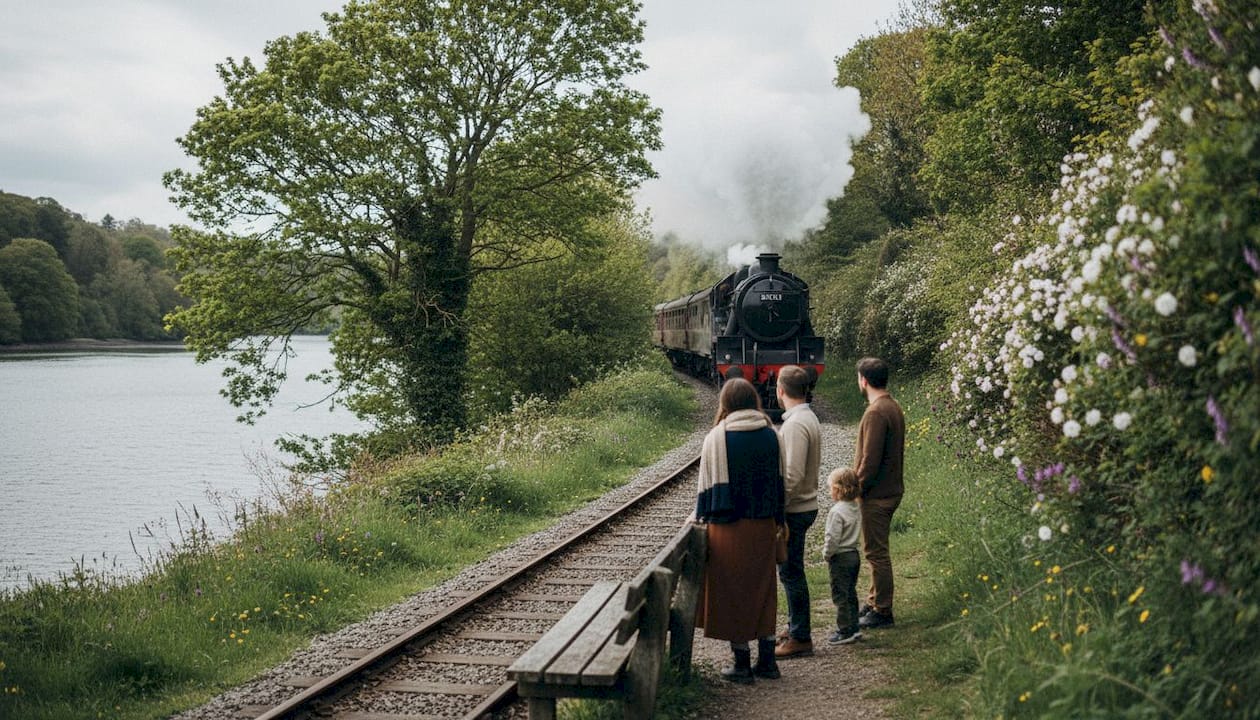
The Paignton to Dartmouth steam railway is a heritage line running nearly seven miles along the River Dart estuary, connecting Paignton to Kingswear, directly opposite Dartmouth. Officially operated by the Dartmouth Steam Railway & River Boat Company, the line began heritage operations on 30 December 1972 under Dart Valley Light Railway plc. The route combines ex-Great Western Railway locomotives, coastal views across Torbay, and a ferry crossing into Dartmouth town. Combined with riverboat and bus connections, this journey is one of the most rewarding scenic train rides in Devon you can take in a single day.
1. How the Paignton to Dartmouth steam railway works
The steam railway operates on a standard gauge, seven-mile line along the estuary, with nearly daily services during peak season. The line is not part of the National Rail network. It runs independently, using preserved ex-GWR locomotives and traditional rolling stock. That distinction matters: you buy separate tickets, board from a separate station, and experience a very different kind of travel.
The railway’s official name is the Dartmouth Steam Railway, though travellers and enthusiasts commonly call it the Paignton and Dartmouth Steam Railway. Both names refer to the same line. The operator also runs riverboat services on the River Dart, which connect directly with the train at Kingswear.
2. Finding your way to Queens Park station
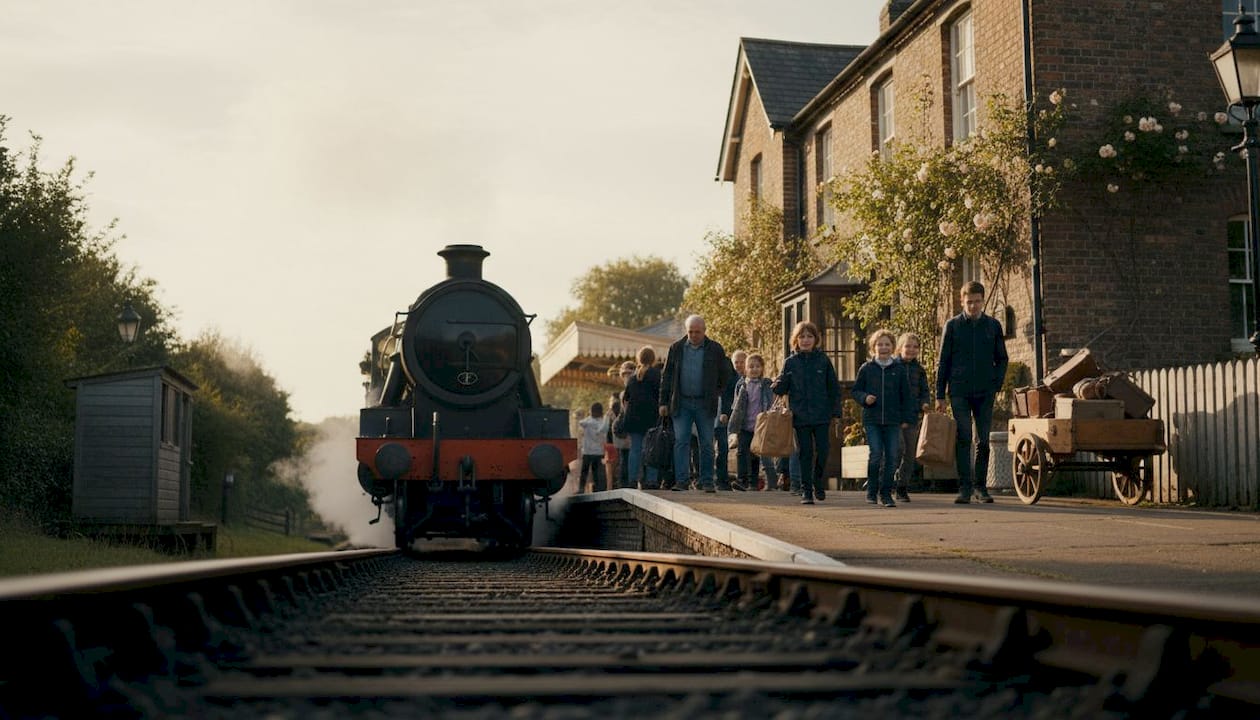
Queens Park station is the independent starting point for the steam railway, located next to but entirely separate from Paignton’s main National Rail station. The two share a general area but have different entrances, platforms, and ticketing. Arriving by train from Exeter or Torquay, you exit the mainline station and follow signs to the heritage platform.
The station sits between two level crossings, which affects pedestrian movement during busy periods. A footbridge is available to bypass the Torquay-end crossing when it closes for train movements. This is worth knowing if you are travelling with luggage or a pushchair.
- Queens Park station has its own engine sheds and carriage storage on site.
- The heritage platform entrance is clearly signed from the mainline concourse.
- Parking is available nearby, though spaces fill quickly in summer.
- The station has a café and waiting area for passengers.
Pro Tip: Arrive at Queens Park station at least 20 minutes before departure. The level crossings can close without warning, and the footbridge adds a few minutes to your walk if you need it.
3. The route: stops, scenery, and history
The line opened in 1864 as part of the broader Great Western Railway network. It served the South Devon coast for over a century before closure as a mainline route. Heritage operations preserved the track, the locomotives, and the character of the original service. Riding it today feels genuinely different from a modern train.
The journey south from Paignton passes through three stations before reaching Kingswear.
- Goodrington Sands: The first stop, set beside one of South Devon’s most popular beaches. Families often board or alight here for a beach day combined with the train ride.
- Churston: A quieter rural station with connections to Brixham by local bus. The platform retains original GWR features, including period signage and ironwork.
- Kingswear: The southern terminus, perched above the River Dart with views across to Dartmouth. The ferry departs from the quay directly below the station.
The coastal stretch between Goodrington and Churston offers open views across Torbay. On a clear day you can see as far as Berry Head. The estuary section approaching Kingswear is the most dramatic, with the River Dart widening below wooded hillsides.
The line from Paignton to Kingswear is one of the few heritage railways in England where the scenery genuinely changes character three times in a single journey. You move from seaside to farmland to river estuary within seven miles. That variety is rare, and it is the reason the route keeps drawing people back year after year.
4. Why the railway stops at Kingswear, not Dartmouth
The railway terminates at Kingswear because no railway bridge crosses the River Dart at Dartmouth. This is not an oversight. When the line was built in the 19th century, river traffic was the dominant commercial force in the estuary. A bridge would have blocked shipping lanes, so the railway stopped at Kingswear and a ferry connection completed the journey. That arrangement has remained ever since.
Dartmouth has a station building, but it has never had a working railway. The building now serves as a restaurant. The ferry crossing from Kingswear to Dartmouth takes only a few minutes and runs frequently throughout the day.
- Disembark at Kingswear station and follow the path down to the quay.
- Board the passenger ferry, which runs a regular shuttle service across the river.
- Arrive at Dartmouth town centre, stepping off directly onto the waterfront.
- Return the same way, or continue on the Round Robin route by riverboat.
Pro Tip: Buy a combined ticket that includes the ferry crossing before you board the train at Paignton. It saves time at the quay and often works out cheaper than paying separately at each stage.
5. The Round Robin experience: train, riverboat, and ferry
The Round Robin tour is the most recommended way to experience the area. It combines the steam train from Paignton to Kingswear, the ferry across to Dartmouth, a riverboat cruise up the River Dart to Totnes, and a local bus back to Paignton. The full circuit takes most of a day and covers a remarkable range of Devon scenery.
The riverboat section between Dartmouth and Totnes is the longest leg. The Dart is one of England’s most beautiful rivers, and the cruise passes through wooded gorges, past Sharpham vineyard, and alongside ancient oak woodland. It is a completely different perspective on the same landscape you saw from the train.
| Leg | Mode | Direction | Highlights |
|---|---|---|---|
| Paignton to Kingswear | Steam train | South | Coastal views, estuary approach |
| Kingswear to Dartmouth | Passenger ferry | West | River crossing, town waterfront |
| Dartmouth to Totnes | Riverboat | North | Dart gorge, Sharpham vineyard |
| Totnes to Paignton | Local bus | South | Market town, rolling Devon hills |
Combined tickets for the full Round Robin are available from the Dartmouth Steam Railway & River Boat Company. Buying all legs together is more convenient and saves money compared to purchasing each leg separately. Services run in both directions, so you can also start from Totnes or Dartmouth if that suits your plans better.
Winter services are reduced. The riverboat does not run on all days outside the main season, which affects the Round Robin option. Check the current timetable before planning, as service days vary by month.
6. Planning your visit: timetables, accessibility, and practical tips
Timetables change seasonally, and some days in winter see no service at all. The operator publishes current schedules on its website, and downloading the timetable before you travel is the best way to avoid a wasted trip.
The railway maintains adapted carriages for wheelchairs and folding mobility scooters. This makes the line more accessible than many heritage railways, which often have narrow doorways and high steps. If you are travelling with a wheelchair user, contact the operator in advance to confirm carriage availability on your chosen service.
- Book tickets online in advance during july, august, and school holidays. Walk-up availability is limited on peak days.
- The earliest departures from Paignton give you the most time to complete the full Round Robin circuit.
- Goodrington Sands station is the best alighting point for families combining the train with a beach visit.
- Churston station has a pub within walking distance, useful for a lunch stop on a leisurely day.
- Parking at Paignton Queens Park station fills by mid-morning in summer. The mainline station car park or town centre options are worth considering.
Pro Tip: If you are planning the Round Robin, take the train first and the riverboat back. The light on the River Dart is better in the afternoon, and Totnes is a good place to stop for food before the bus back to Paignton.
For a broader view of what to pair with your trip, the Devon weekend itineraries guide on Thedevondrop covers multi-day plans that include the steam railway alongside other South Devon highlights.
Key takeaways
The Paignton to Dartmouth steam railway delivers its best experience as part of the Round Robin circuit, combining steam train, ferry, riverboat, and bus into a single, memorable day across South Devon.
| Point | Details |
|---|---|
| Board at Queens Park station | The heritage platform is separate from the mainline station; allow extra time to find it. |
| Seven-mile heritage route | The line runs from Paignton through Goodrington and Churston to Kingswear. |
| Ferry completes the journey | No railway bridge crosses the Dart; the Kingswear ferry reaches Dartmouth town centre. |
| Round Robin adds real value | Combining train, ferry, riverboat, and bus gives a fuller scenic and cultural experience. |
| Check timetables before you go | Services vary by season and do not run every day in winter months. |
Why this railway still surprises me every time
I have taken the steam train from Paignton more times than I can count, and it still does something to me when the locomotive pulls out of Queens Park station and the smell of coal smoke hits the air. There is no other heritage railway in Devon that gives you this much variety in such a short distance. Seven miles covers seaside, farmland, and estuary. That is genuinely unusual.
What I think most visitors underestimate is the ferry crossing. People treat it as a practical necessity, a way to get from Kingswear to Dartmouth. It is actually one of the best two minutes of the whole day. You are on the water, looking back at the train station on the hill, with Dartmouth’s Georgian waterfront ahead of you. It is the kind of moment that makes you put your phone away.
The accessibility provision also deserves more attention. Heritage railways have a reputation for being difficult for anyone who is not fully mobile. This one has worked hard to change that, and the adapted carriage provision makes a real difference for families and older travellers. It is not perfect, but it is better than most.
My honest advice: do the Round Robin on your first visit. Do not just go out and come back on the train. The riverboat section between Dartmouth and Totnes is the part people remember longest, and it only makes sense as part of the full circuit. You can always come back and do the train alone another time. For more ideas on what to pair with the trip, the complete visitor’s guide on Thedevondrop is worth reading before you go.
— Mark
Devon experiences to pair with your steam railway day
A steam railway journey through South Devon opens up a full day of possibilities, and Thedevondrop has curated some of the best local experiences to round it out.

Whether you fancy a spa day after a morning on the train, a long lunch at a Devon restaurant, or a weekend stay somewhere along the coast, Thedevondrop brings together Devon leisure experiences worth having. The live drops page is updated regularly with dining, spa, and activity packages from local Devon businesses. It is a good place to look if you want to build a fuller trip around your railway visit, whether that means a night in a coastal hotel or an afternoon at a local vineyard after the riverboat drops you in Totnes.
FAQ
Where does the steam railway depart from in Paignton?
The steam railway departs from Queens Park station, which is adjacent to but independent from Paignton’s main National Rail station. Look for the heritage platform signs after exiting the mainline concourse.
Does the train go all the way to Dartmouth?
The train terminates at Kingswear, directly opposite Dartmouth. A short passenger ferry crossing connects Kingswear to Dartmouth town centre, and this ferry is included in combined Round Robin tickets.
How long does the full Round Robin tour take?
The full Round Robin circuit, covering steam train, ferry, riverboat to Totnes, and bus back to Paignton, takes most of a day. Allow at least six to seven hours to complete it comfortably without rushing.
Is the railway accessible for wheelchair users?
The railway operates adapted carriages designed for wheelchairs and folding mobility scooters. Contacting the operator in advance is recommended to confirm carriage availability on your chosen service.
Do steam trains run all year round?
Services run on an almost daily basis during peak season but are reduced in winter, with some days seeing no service at all. Download the current timetable from the operator’s website before planning your visit.