Things to do in Devon: the local guide for 2026
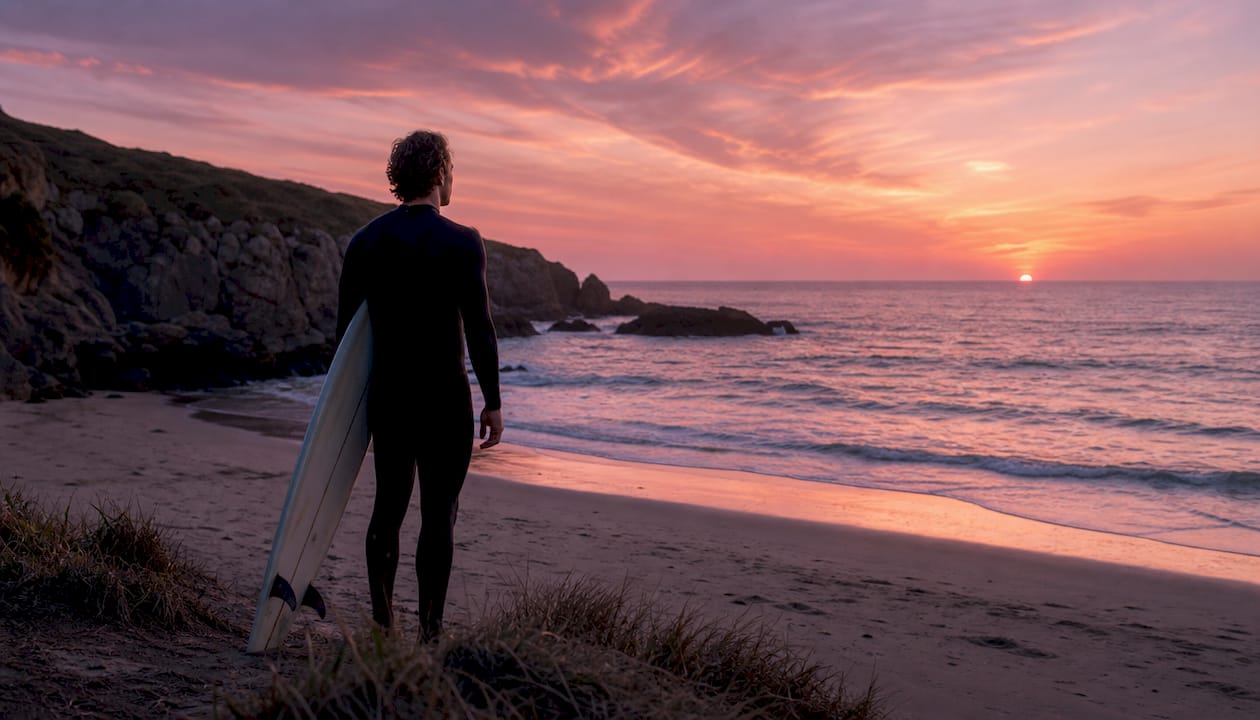
Devon is one of England’s most varied counties, offering everything from Atlantic surf beaches and ancient moorland to historic fishing villages and world-class food. Whether you are planning your first visit or you have lived here for years, the things to do in Devon span every interest, season, and budget. This guide covers the best outdoor adventures, hidden villages, local food, and cultural experiences across the county, with practical tips to help you get the most from every trip.
1. What are the best outdoor adventures in Devon?
Devon’s outdoor offer is genuinely exceptional. The county sits between two coastlines and contains two Areas of Outstanding Natural Beauty, giving visitors a rare choice of terrain within a short drive.
Surfing on North Devon’s beaches
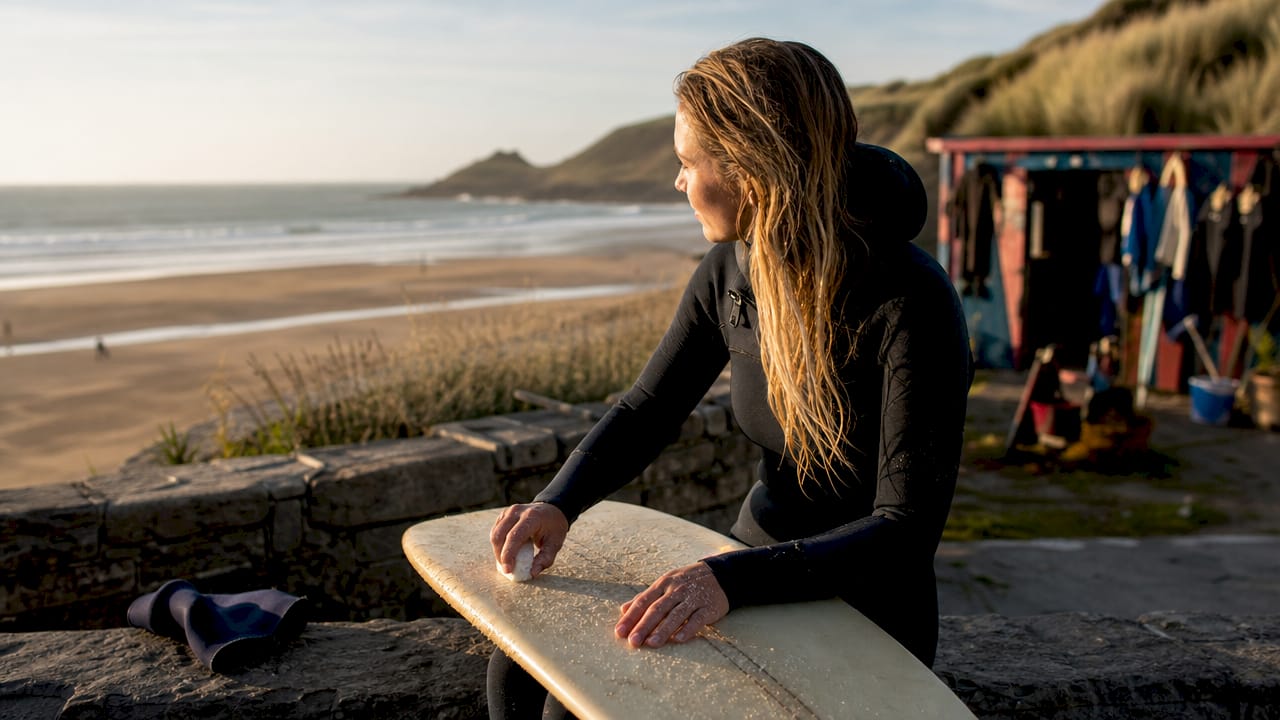
North Devon holds some of the best surf in England. Croyde beach offers a grittier, more local atmosphere compared to the busier Woolacombe, making it the preferred spot for those who want an authentic surf experience rather than a crowded beach scene. A beginner surfing lesson in North Devon costs between £40 and £60, including wetsuit hire and guided instruction. The lesson structure typically covers 45 minutes practising technique in the shallows, followed by 45 minutes of active surfing. That format gives beginners a real chance to stand up on a board within a single session.
Coastal walking and cycling
The South West Coast Path covers over 600 miles, with particularly scenic sections near Salcombe, Brixham, and Hope Cove. The path suits a wide range of fitness levels, from short afternoon strolls to full-day hikes. The Mortehoe to Woolacombe route in North Devon takes around three hours and requires proper footwear due to elevation changes, with parking fees of around £3 to £5. Late afternoon is the best time to walk this stretch, as the light across the bay is genuinely worth the timing effort.
Kayaking and paddleboarding
South Devon’s estuaries are calm enough for beginners and interesting enough for experienced paddlers. The River Dart and the Kingsbridge Estuary both offer guided kayaking sessions with local operators. Paddleboarding on the Exe Estuary near Exmouth has grown considerably in popularity, with several hire centres operating from spring through to early autumn.
Pro Tip: Focus your outdoor days on one geographical cluster, such as the River Dart area or the Salcombe coast, rather than trying to cover too much ground. This approach keeps driving time low and gives each location the attention it deserves.
2. Which Devon villages and hidden gems are worth visiting?
Devon’s most memorable places are often the ones that do not appear on the first page of a travel search. The county has a strong tradition of working villages that have retained their character precisely because they are not easy to reach.
- Clovelly is a car-free village on the North Devon coast where donkeys once carried supplies up the steep cobbled street. Residents still use sledges to move goods. The working harbour at the bottom remains active, and the village has changed very little in appearance over the past century.
- Appledore, near Bideford, combines a strong fishing heritage with a thriving arts community. The narrow streets are lined with independent galleries, and the annual Appledore Book Festival draws writers and readers from across the country.
- Bigbury-on-Sea sits at the mouth of the Avon Estuary in South Devon and is best known for its access to Burgh Island. At low tide, you walk across a sandy causeway in around eight minutes. At high tide, a sea tractor carries you across for £2 each way, cash only. The 26-acre island has its own coastal paths and a famous Art Deco hotel.
Pro Tip: Check tide times before visiting Burgh Island. The sea tractor runs on a schedule tied to the tides, and arriving at the wrong moment means a longer wait than expected.
Timing matters across all these villages. Clovelly and Appledore are quieter on weekday mornings outside of school holidays. Bigbury-on-Sea gets busy on summer weekends, so an early arrival secures parking and a calmer crossing.
3. Where to find Devon’s best food, drink, and local produce
Devon’s food culture is one of its strongest assets, and it rewards visitors who go beyond the obvious cream tea stop.
The Devon cream tea debate
The Devon cream tea places clotted cream on the scone before the jam. This is the opposite of the Cornish method, and locals take the distinction seriously. The county’s clotted cream is notably rich, with established producers such as Langage Farm supplying much of the regional market. A proper Devon cream tea in a village tearoom remains one of the most satisfying and affordable ways to spend an afternoon.
Farm shops and local sourcing
Occombe Farm shop near Paignton sources approximately 75% of its products directly from Devon and West Country producers. That level of local sourcing is rare and reflects a genuine commitment to regional agriculture rather than a marketing claim. Darts Farm near Topsham operates on a similar model, combining a farm shop with a butcher, fishmonger, and restaurant under one roof.
Seafood and seasonal eating
Brixham is one of England’s most productive fishing ports. Its daily fish auctions supply fresh catches directly to local markets and restaurants, and Brixham crab is particularly prized for its sweetness. Brixham’s harbour-side restaurants serve the catch within hours of landing.
Eating seasonally in Devon connects you directly with the landscape. Asparagus arrives in late spring, strawberries peak through june and july, and Exmouth mussels are at their best from autumn through to spring. Game, local cheeses, and orchard fruit fill the autumn months.
“Devon’s food heritage is not just about cream teas. It is about a county that has maintained genuine working relationships between producers, retailers, and cooks across generations. The farm shop culture here is not a trend. It is how people have always eaten.”
Food festivals and vineyard tours add another layer to the Devon food scene. South Devon hosts regattas and food festivals throughout the summer, and several vineyards in the Dart Valley offer tours and tastings from late spring onwards.
4. What cultural events and family-friendly activities does Devon offer?
Devon’s cultural calendar runs year-round, and the county’s mix of heritage, arts, and outdoor attractions makes it one of the strongest destinations in England for family activity days.
Festivals and events
Devon’s coastline and market towns host diverse seasonal festivals throughout the year. South Devon regattas take place across the summer, with Dartmouth and Salcombe both hosting well-established events. Food festivals, open-air theatre, and local music events fill the summer and early autumn calendar. The Appledore Book Festival and the Totnes Festival of the Sea are two events that attract visitors who would not otherwise make the trip.
Family days out in Devon
Devon’s family-friendly offer covers a wide range of ages and interests:
- Paignton Zoo is one of the largest zoos in the South West and sits within easy reach of Torquay and Brixham.
- Woodlands Family Theme Park near Dartmouth combines water rides, indoor play, and outdoor adventure areas, making it a strong wet-weather option.
- Crealy Adventure Park near Exeter offers rides, animals, and seasonal events suited to younger children.
- Dartmoor provides free-range walking, wild swimming, and pony spotting that costs nothing and works for all ages.
Arts and galleries
Devon has a strong visual arts tradition. The galleries and creative spaces across the county range from the Burton at Bideford to small independent studios in Totnes and Dartington. The Dartington Hall estate combines arts programming, gardens, and a historic courtyard that is worth a visit in its own right.
Rainy days are well covered. Torquay’s Agatha Christie connections draw visitors to the Torquay Museum, and the National Marine Aquarium in Plymouth sits just over the county border for those based in South Devon.
Key takeaways
Devon rewards visitors who plan by area and season rather than trying to cover the whole county in a single trip.
| Point | Details |
|---|---|
| Surf lessons start at £40 | North Devon beginner lessons include wetsuit hire and run for around 90 minutes total. |
| Burgh Island costs £2 by sea tractor | Carry cash for the high-tide crossing; the causeway walk takes eight minutes at low tide. |
| Occombe Farm sources 75% locally | Farm shops like Occombe and Darts Farm offer the most authentic Devon food experience. |
| South West Coast Path covers 600+ miles | Sections near Salcombe and Hope Cove suit all fitness levels and offer outstanding coastal views. |
| Cluster your itinerary by area | Focusing on one region per day, such as the Dart Valley or Salcombe coast, reduces driving and improves the experience. |
Devon through local eyes: what actually makes it worth the trip
I have spent a lot of time in Devon, and the thing that surprises most visitors is how quickly the county rewards a slower pace. The people who rush between Croyde, Dartmoor, and Salcombe in a single day come away with photographs. The people who spend two days in one area come away with a genuine sense of the place.
My honest recommendation is to start at Croyde if you have never surfed. The beach has a real atmosphere that Woolacombe, for all its beauty, does not quite match. The surf schools there are run by people who actually live and surf there year-round, and that makes a difference to the quality of instruction.
For food, skip the obvious harbour-front restaurants and find a farm shop first. Darts Farm near Topsham is the best single stop in the county for understanding what Devon actually produces. The cheese counter alone is worth the detour.
Timing a visit around the seasons changes everything. Spring brings asparagus and quiet roads. Autumn brings game, mussels, and the kind of light on the coast that photographers plan trips around. Summer is wonderful, but it is also when Devon is at its most crowded. If you can visit in may or september, you will see a different county entirely.
— Mark
Devon experiences worth planning ahead
Devon’s best days out often benefit from a little advance thought, whether that is checking tide times for Burgh Island, booking a surf lesson at Croyde, or reserving a table at a farm-to-table restaurant before the summer rush.

Thedevondrop brings together curated Devon dining, spa, and activity experiences in one place, covering everything from weekend stays in country hotels to guided coastal adventures. If you are planning a trip and want to make the most of what the county offers, the Devon Drop is a good place to find experiences that go beyond the standard tourist itinerary. Whether you are after a spa day in the hills, a seafood dinner on the harbour, or an activity-packed family weekend, the options are worth exploring before you book.
FAQ
How much does a beginner surf lesson cost in Devon?
A beginner surfing lesson in North Devon costs between £40 and £60, including wetsuit hire. The session typically lasts around 90 minutes in total.
What is the best time of year to visit Devon?
May and september offer the best combination of good weather, quieter roads, and seasonal produce. Summer is the busiest period, particularly along the North Devon coast and in South Devon’s harbour towns.
How do you get to Burgh Island?
At low tide, you walk across a sandy causeway in around eight minutes. At high tide, a sea tractor operates for £2 each way, cash only. Check the tide timetable before you travel.
What is the Devon cream tea tradition?
The Devon method places clotted cream on the scone first, then jam on top. This distinguishes it from the Cornish method, which reverses the order. Langage Farm is one of the county’s best-known clotted cream producers.
Are there good family activity days in Devon?
Devon offers a strong range of family-friendly days out, including Paignton Zoo, Woodlands Family Theme Park near Dartmouth, and free outdoor activities on Dartmoor. Indoor attractions cover wet-weather days well.