Devon weekend itineraries: six plans for every traveller
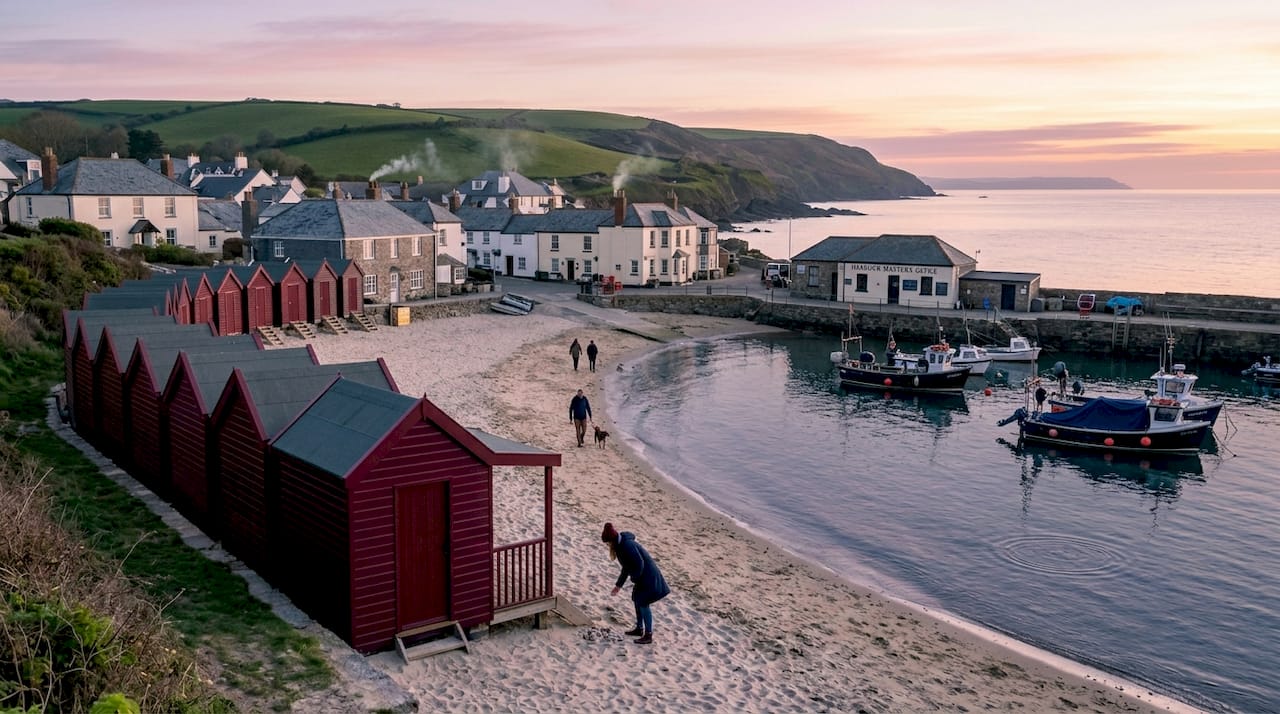
The best Devon weekend itineraries are built around a single, well-chosen base and a deliberate mix of outdoor, cultural, and culinary experiences. Devon covers 2,590 square miles, and the single biggest mistake visitors make is treating it like a small county you can criss-cross in an afternoon. Whether you are planning a family weekend in Devon, a romantic coastal escape, or a solo walking trip, the structure of your itinerary matters as much as the destinations you choose. These six curated plans, grounded in 2026 local knowledge, give you a practical framework to get the most from every hour.
1. How to choose your base for a Devon weekend
Your base location is the single most important decision in any Devon trip planner. Get it wrong and you will spend half your weekend in the car. Get it right and everything else falls into place.
Visit South Devon recommends building your itinerary around a small number of base areas rather than attempting to cover the whole county. The most practical options for a South Devon weekend include:
- Torquay and Paignton: well-connected, family-friendly, with good transport links and a wide range of accommodation
- Dartmouth: a harbour town with excellent restaurants, ferry access, and proximity to the South West Coast Path
- Salcombe: ideal for coastal walks, water sports, and a quieter, more upscale atmosphere
- Brixham: a working fishing harbour with genuine local character and easy access to Berry Head Nature Reserve
The critical detail most visitors overlook is actual walking distance. A holiday let described as “close to the beach” may mean a 25-minute uphill walk with luggage. Local expert Kate Allen advises confirming proximity to beaches, pubs, and shops via Google Maps before booking, not relying on marketing descriptions. This one check prevents the most common itinerary failures.
For North Devon, Barnstaple works well as a central hub, with Croyde, Woolacombe, and Ilfracombe all within 30 minutes. Families seeking a self-contained experience should consider holiday parks near Croyde Bay or Saunton Sands, where surf schools, cafés, and coastal paths are within walking distance of your accommodation.
Pro Tip: Book accommodation with free on-site parking if you plan to use a car. Devon’s coastal towns have limited and expensive street parking, and starting each day with a parking hunt kills momentum fast.
2. How to plan routes and stops without the stress
A realistic Devon sightseeing itinerary is not about covering the most ground. It is about choosing stops that reward the journey between them.
The A379 coastal route between Exeter and Dartmouth is one of the most scenic drives in England. It passes through Dawlish, Teignmouth, Torquay, and Brixham, with regular pull-offs for sea views and short walks. Planning this as a Saturday drive with three or four deliberate stops, rather than a point-to-point transfer, transforms a two-hour journey into a half-day experience.
For Dartmoor, route planning requires an extra layer of thought in 2026. Dartmoor National Park car park fees have risen by 3.8%, with full-day parking now at £5.80 and half-day at £3.50. This is a modest cost in isolation, but it adds up if you are moving between multiple car parks across the day. The smarter approach is to treat your car park as a base and walk or cycle between nearby stops rather than driving between them.
For car-free days, the National Trust recommends bus and cycle routes to reach sites like Castle Drogo on Dartmoor. The Transmoor Link bus connects Exeter to Tavistock via Moretonhampstead, making it possible to reach the heart of the moor without a car.
Here is a practical route-planning sequence for any Devon weekend:
- Identify your two or three priority destinations for each day
- Check actual driving and walking times between them on Google Maps
- Confirm car parking availability and cost at each stop
- Identify one all-weather backup for each outdoor plan
- Build in at least one meal stop at a local pub or café rather than eating on the move
Pro Tip: The UK walking tours guide from Oxford Magic Tours is a useful reference for structuring walking-focused days, particularly if you want to combine sightseeing with guided routes.
3. Six curated Devon weekend itineraries
These six plans cover the full range of Devon interests. Each is designed for a two-day weekend, with Saturday and Sunday structured around a single base.
| Itinerary | Base | Best for | Key stops |
|---|---|---|---|
| North Devon coastal | Croyde or Barnstaple | Surfers, walkers, families | Woolacombe Beach, Baggy Point, Ilfracombe |
| South Devon harbour towns | Dartmouth or Brixham | Couples, food lovers | Dartmouth Castle, Greenway, Berry Head |
| Dartmoor adventure | Princetown or Moretonhampstead | Hikers, nature lovers | Haytor, Wistman’s Wood, Dartmeet |
| Family theme weekend | Paignton or Torquay | Families with young children | Paignton Zoo, Babbacombe Model Village, Torquay seafront |
| Heritage and gardens | Exeter or Totnes | History enthusiasts | Exeter Cathedral, Powderham Castle, Dartington Hall |
| Car-free Devon | Exeter (rail hub) | Sustainable travellers | Castle Drogo, Totnes, Dartmouth Ferry |
North Devon coastal itinerary
Base yourself in Croyde or Barnstaple for a weekend focused on the Atlantic coast. Saturday morning: surf lesson at Croyde Bay with one of the local surf schools, followed by lunch at a beachside café. Saturday afternoon: walk the coastal path to Baggy Point for clifftop views across Morte Bay. Sunday: drive to Woolacombe for a morning on one of England’s finest beaches, then head to Ilfracombe to visit Damien Hirst’s Verity sculpture and the harbour.

South Devon harbour towns itinerary
Dartmouth is the ideal base for this plan. Saturday: take the Lower Ferry across the Dart estuary to Kingswear, walk the coastal path to Brixham, and return by bus. Sunday: visit Dartmouth Castle in the morning, then take the National Trust ferry to Greenway, Agatha Christie’s former home, for an afternoon of gardens and river views.
Dartmoor adventure itinerary
Stay in Moretonhampstead or Princetown for direct moorland access. Saturday: hike to Haytor Rocks at sunrise, then walk the disused granite tramway to Haytor Quarry. Afternoon: drive to Wistman’s Wood, one of the oldest oak woodlands in Britain, for a short but atmospheric walk. Sunday: walk from Dartmeet along the River Dart to Huccaby, returning via the clapper bridge. Dartmoor rangers report rising fines for disposable barbecues and illegal fires, so leave no trace and stick to permitted areas throughout.
Family weekend in Devon
Combining one anchor outdoor space with a contained all-weather stop is the most reliable structure for families. Base yourself in Paignton or Torquay. Saturday: Paignton Zoo in the morning, Goodrington Sands beach in the afternoon. Sunday: Babbacombe Model Village (genuinely impressive for all ages, not just children) followed by a walk along the Torquay seafront to the harbour.
Heritage and gardens itinerary
Exeter makes a strong base for this plan, with Totnes as a day-trip alternative. Saturday: Exeter Cathedral and the underground Roman passages in the morning, Powderham Castle on the Exe Estuary in the afternoon. Sunday: drive to Dartington Hall near Totnes for the gardens and estate walk, then explore Totnes itself, one of Devon’s most characterful market towns.
Car-free Devon itinerary
Exeter St Davids station connects to Totnes, Newton Abbot, and Paignton by rail. Saturday: train to Totnes, explore the town on foot, then take the steam railway to Buckfastleigh and visit Buckfast Abbey. Sunday: train to Newton Abbot, bus to Moretonhampstead, then the Transmoor Link bus to Castle Drogo. This itinerary proves you do not need a car to reach Devon’s most rewarding spots.
4. Practical tips for managing your Devon weekend
Good Devon travel guides all agree on one thing: the logistics matter as much as the destinations. These points will save you time and money.
- Book accommodation early for summer weekends. Coastal Devon fills up fast between June and September. Mid-week breaks in May or October offer the same scenery at noticeably lower prices and with far fewer crowds.
- Verify your accommodation location before booking. Distance checks via Google Maps are the single most effective way to avoid disappointment. “Five minutes from the beach” can mean five minutes by car, not on foot.
- Budget for Dartmoor parking. With full-day fees at £5.80 in 2026, a two-day Dartmoor visit with multiple car park stops can cost £20 or more in parking alone. Park once and walk.
- Pack for rain, always. Devon weather in any season can shift within an hour. A waterproof layer and a backup indoor plan (a local museum, a pub lunch, a gallery) keep the weekend on track.
- Respect the moor and the coast. No disposable barbecues on Dartmoor, no fires outside designated areas, and carry out all waste. These are not suggestions; they are conditions of access that rangers actively enforce.
Pro Tip: For unique walking experiences that combine culture and movement, guided walking tours are worth considering as a structured alternative to self-planned routes, particularly for heritage-focused itineraries.
Key takeaways
A successful Devon weekend itinerary depends on choosing the right base, verifying distances, and building in variety across outdoor, cultural, and culinary experiences.
| Point | Details |
|---|---|
| Choose one base per day | Staying in one location per day reduces travel time and maximises enjoyment. |
| Verify distances before booking | Use Google Maps to confirm walking distances to beaches, pubs, and key sights. |
| Budget for Dartmoor parking | Full-day parking costs £5.80 in 2026; park once and walk between stops. |
| Mix activity types | Combine one outdoor anchor with one all-weather option to handle Devon’s variable weather. |
| Travel responsibly | No fires or barbecues where prohibited on Dartmoor; carry out all waste. |
What I have learned from planning Devon weekends
The most common mistake I see in Devon itinerary planning is ambition without geography. People look at a map, see that Dartmoor and Salcombe are both in Devon, and assume they can do both in a day. They cannot, not comfortably. The drive alone takes over an hour each way, and by the time you factor in parking and walking, you have lost the afternoon.
The itineraries that actually work share a structure: one anchor outdoor space, one cultural or culinary stop nearby, and a flexible afternoon that can adapt to weather or energy levels. Families especially benefit from this. Children do not need five attractions in a day. They need one brilliant beach or one proper moorland walk, followed by a good meal somewhere with a view.
I also think the car-free itinerary is underrated. Devon’s rail and bus connections are better than most visitors expect, and arriving somewhere like Totnes or Dartmouth without a car changes how you experience the place. You walk more, you notice more, and you do not spend 20 minutes circling for parking.
The sustainable travel point matters beyond convenience. Dartmoor is under real pressure from visitor numbers, and the rising misconduct reports from rangers are a genuine warning. The county is extraordinary precisely because it has been looked after. Every visitor has a part in keeping it that way.
— Mark
Discover Devon experiences with The Devon Drop
Planning a Devon weekend is one thing. Finding the local experiences that make it memorable is another.

Thedevondrop is a resource built for people who want to go beyond the obvious and discover what Devon genuinely has to offer, from coastal walks and spa retreats to food producers and cultural events. Whether you are looking for the best Devon hotels to anchor your itinerary or want to explore curated local experiences, The Devon Drop brings together the kind of local knowledge that takes years to accumulate. Browse Devon experiences and find something worth building your next weekend around.
FAQ
What is the best base for a Devon weekend break?
Dartmouth, Salcombe, and Torquay are among the strongest bases for a South Devon weekend, each offering harbour access, good dining, and proximity to coastal walks. For North Devon, Croyde or Barnstaple suit surf and beach-focused itineraries well.
How much does parking cost on Dartmoor in 2026?
Dartmoor National Park car park fees rose by 3.8% in 2026, with full-day parking at £5.80 and half-day at £3.50. Parking once and walking between stops is the most cost-effective approach.
Can you visit Devon without a car?
Yes. Exeter connects by rail to Totnes, Newton Abbot, and Paignton, and the Transmoor Link bus reaches Dartmoor from Exeter. The National Trust also recommends bus and cycle routes to sites including Castle Drogo.
How do I avoid itinerary failures in Devon?
The most reliable fix is verifying actual walking distances via Google Maps before booking accommodation. Most itinerary problems stem from assuming “nearby” means walkable when it does not.
What is the best Devon itinerary for families?
A family weekend in Devon works best when it combines one outdoor anchor, such as a beach or moorland walk, with one all-weather stop nearby, such as Paignton Zoo or Babbacombe Model Village. This structure handles variable weather and varying energy levels across the group.