Lundy Island UK: visitor guide to getting there, staying and exploring
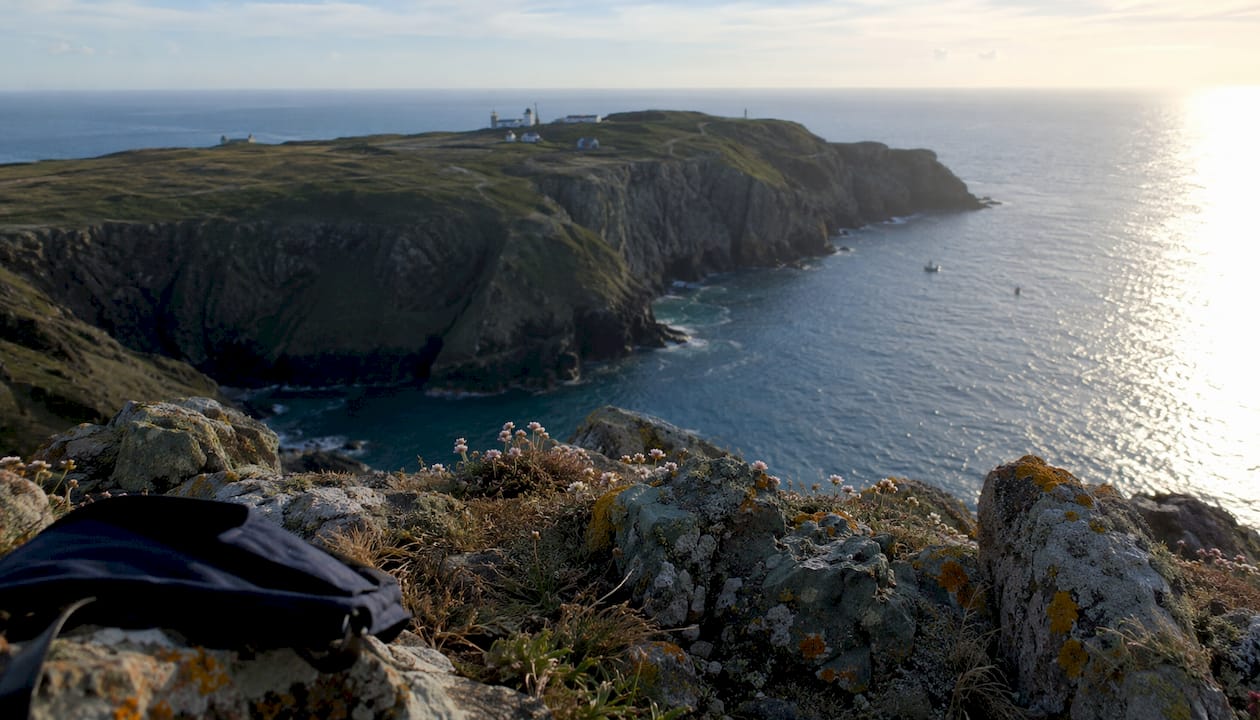
Yes, you can visit Lundy Island — and you should expect something genuinely unlike anywhere else in England: a vehicle-free, Marine Nature Reserve sitting in the Bristol Channel, reached by scheduled ferry or, for those staying overnight, occasional helicopter. The crossing takes roughly two hours each way, leaving day-trippers around 4–6 hours ashore.
Three things to do right now:
- Check MS Oldenburg sailing dates and ports — sailings run seasonally and book up fast, particularly in summer.
- Book accommodation or a day-trip ticket early. Landmark Trust holiday properties and the campsite fill weeks, sometimes months, in advance.
- Pack for limited services and unpredictable weather. There are no cash machines, no reliable mobile signal and electricity on the island is not available after midnight.
Table of Contents
- What is Lundy Island UK? Location, status and key facts
- How do you get to Lundy Island?
- Where can you stay on Lundy Island?
- What are the best things to do on Lundy?
- Essential rules, safety advice and what to pack
- A short history of Lundy Island
- When is the best time to visit Lundy?
- Sample day-trip and overnight itineraries
- Key takeaways
- Why Lundy matters to Devon and to us
- Authoritative sources and where to book
What is Lundy Island UK? Location, status and key facts
Lundy lies approximately 12 miles off the North Devon coast, positioned at the mouth of the Bristol Channel between Bideford and Ilfracombe on the mainland. The island is roughly three miles long and half a mile wide — small enough to walk end to end in an afternoon, but rich enough in landscape and wildlife to fill several days.
Its official protections are substantial. Lundy holds the status of England’s only statutory Marine Nature Reserve, a Site of Special Scientific Interest (SSSI), and is home to more than 40 scheduled monuments. The National Trust owns the island; the Landmark Trust manages it, overseeing both the holiday properties and the day-to-day running of the site. The Lundy Field Society acts as an expert local body, supporting scientific recording and conservation research on the island.
Statistic: The MS Oldenburg carries passengers per sailing and runs multiple times a week during the season, with each crossing taking approximately two hours each way.
In summer, puffins outnumber humans roughly 15 to 1 on the island. That single fact tells you most of what you need to know about the place.
How do you get to Lundy Island?
The MS Oldenburg ferry
The primary route is the MS Oldenburg, a traditional 1958-built motor vessel that sails seasonally from either Bideford or Ilfracombe on the North Devon coast. The crossing takes around two hours each way, and day-trippers typically get 4–6 hours ashore depending on the day’s timetable. Onboard, there are heated saloons, a bar, a buffet and a shop — so the crossing itself is part of the experience rather than just transit.
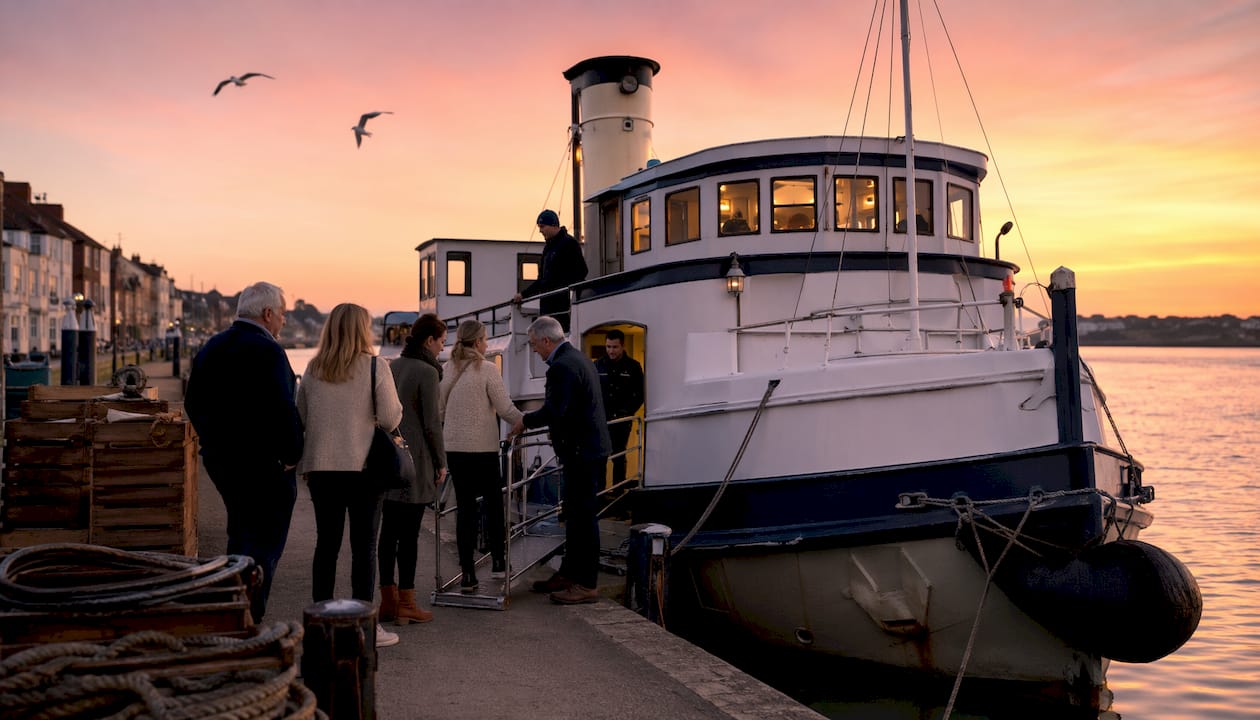
One detail that catches people out: some sailings depart from one port and return to the other. If you drive to Bideford and the return sailing docks at Ilfracombe, you need a coach transfer back. These coach transfers must be booked at the same time as your ferry ticket; you cannot add them later. Children under two travel free on coach transfers.
Helicopter access
A helicopter service operates for those staying overnight on the island, particularly useful outside the main ferry season or when weather limits sailings. It is not a standard day-trip option. If you are planning a stay and want to use the helicopter, check availability directly with the Landmark Trust when booking accommodation.
Booking practicalities
| Route | Departure port(s) | Crossing time | Typical time ashore |
|---|---|---|---|
| MS Oldenburg (day trip) | Bideford or Ilfracombe | ~2 hours | 4–6 hours |
| MS Oldenburg (overnight) | Bideford or Ilfracombe | ~2 hours | Multi-day |
| Helicopter | Hartland Point area | Short | Multi-day stays only |
- Book ferry tickets as early as possible — popular summer dates sell out weeks ahead.
- Add coach transfer places at the point of booking if ports differ.
- Book diving access and equipment transport on the Oldenburg at the same time as accommodation.
- Check the timetable PDF before travel; sailings and fares are subject to change.
Pro Tip: The MS Oldenburg announces return sailing times from the island on arrival rather than in advance. Build flexibility into your day-trip plan — weather and operational conditions can shift the schedule, so do not arrange onward transport from the mainland port with a tight margin.
Where can you stay on Lundy Island?
Lundy offers more accommodation options than most visitors expect for an island this size, but availability is genuinely limited and demand is high.
The Landmark Trust manages a range of self-catering holiday properties on the island, from converted lighthouse cottages to farmhouse rooms and the Old Light. These are booked directly through the Landmark Trust website and tend to fill months in advance for peak season. There is also a bunkhouse for groups and a campsite for those who want the most stripped-back experience. The campsite is basic by design: no hook-ups, no glamping infrastructure, just the island.
The Marisco Tavern is the social and practical heart of the island. It serves food and drink, provides breakfast for overnight guests, and is home to the only pay phone on the island. For stayers, it is where evenings happen. For day-trippers, it is where you warm up after a cliff walk and where the island’s community gathers.
Check-in for holiday properties is typically after 4pm on arrival day. Accessibility arrangements, including assistance for disabled visitors and guidance on bringing assistance dogs, can be made directly with the Landmark Trust before travel.
What are the best things to do on Lundy?
Walking and photography
The island’s spine road runs north to south along the plateau, with footpaths dropping to the coast on both sides. The west coast cliffs are dramatic and largely inaccessible from below; the east side offers gentler paths down to the beach and the jetty. The village, castle ruins and lighthouses are all within easy walking distance of the landing point. Keep well back from cliff edges — the ground can be unstable and there are no barriers.

Birdwatching: puffins, Manx shearwaters and more
Lundy’s birdlife is the main draw for many visitors. Puffins nest on the west-facing slopes and are most visible from April through July. Guillemots, razorbills and Manx shearwaters are present in large numbers during the breeding season; the shearwaters return to their burrows after dark, so overnight visitors have a significant advantage. Atlantic grey seals haul out on the rocks year-round and are often visible from the coastal paths.
The island also supports genuinely rare botany. The Lundy cabbage (Coincya wrightii) grows nowhere else on earth, along with its specialist flea beetle (Psylliodes luridipennis). Both are part of active conservation management on the island.
- Puffins: best seen April to July on the west-facing slopes near the north end.
- Manx shearwaters: audible after dark from the campsite area; overnight stays are the only realistic way to experience them.
- Grey seals: present year-round; look from the coastal paths rather than approaching the rocks.
- Lundy cabbage: found on the cliffs; do not pick or disturb it.
Diving and snorkelling
As England’s only statutory Marine Nature Reserve, Lundy’s waters are tightly managed. Diving access must be booked alongside accommodation; you cannot simply arrive and dive. Equipment transport on the MS Oldenburg is chargeable, so factor that into your planning when you book. The underwater visibility and marine life around the island are exceptional by UK standards.
Historic sites and the Marisco Tavern
The 13th-century castle, the Old Light lighthouse and the ruins scattered across the plateau are all accessible on foot. The Marisco Tavern, named after the island’s most notorious medieval family, is worth a visit in its own right — it is the kind of pub that feels earned after a cliff walk.
Pro Tip: For puffins, head to the west-coast path north of the village between late April and late July, ideally in the morning before the wind picks up. Bring binoculars — the birds nest in burrows set back from the cliff edge and are easily missed without them.
Essential rules, safety advice and what to pack
Lundy operates on a leave-no-trace basis. Take all litter back to the mainland, stay on marked paths near nesting areas and follow any seasonal notices posted at the jetty and village noticeboard.
Climbing restrictions run from 31 March to 15 September to protect nesting seabirds, with many restrictions lifted by 14 August. Anyone wishing to climb must notify the wardens when booking and again on arrival. Check the noticeboards — restrictions can vary by location and season.
For safety, the key points are straightforward: the jetty can be slippery, the weather changes fast and the west-coast cliffs are not safe to approach from below. Wear sturdy footwear, carry waterproofs regardless of the forecast and bring more layers than you think you need.
Packing checklist:
- Waterproof jacket and trousers
- Sturdy walking boots or trail shoes
- Sun protection (the plateau is exposed)
- Spare warm layers
- Basic first-aid kit
- Cash (no ATM on the island; the Tavern accepts cards but connectivity is intermittent)
- Binoculars for wildlife
For disabled visitors, the jetty and paths present real challenges — the terrain is uneven and steep in places. Contact the Landmark Trust before booking to discuss specific requirements and any assistance that can be arranged.
A short history of Lundy Island
Lundy’s past is as dramatic as its cliffs. A few key moments:
- Bronze Age: Burial mounds and field systems across the plateau indicate sustained prehistoric settlement; the island’s more than 40 scheduled monuments include these early remains.
- 13th century: The Marisco family built the castle and used the island as a base for piracy and rebellion against the Crown. William de Marisco was eventually captured and executed in 1242.
- Later private ownership: The island passed through a series of eccentric private owners who treated it as a personal fiefdom. One owner, Martin Coles Harman, issued his own currency — the Puffin and Half-Puffin — in 1929, which led to a prosecution under the Coinage Act. The coins are now collectors’ items.
- Lighthouses: Three lighthouses were built on the island at different periods; the Old Light, completed in 1820, was famously ineffective because it sat too high in the cloud. The two lower lights that replaced it are still operational.
- Modern stewardship: The Landmark Trust took on management on behalf of the National Trust in 1969, beginning the conservation-focused approach that defines the island today.
The Marisco Tavern takes its name from that medieval pirate family — a detail that gives the pub a certain edge over most village locals.
When is the best time to visit Lundy?
The MS Oldenburg sailing season typically runs from late March or April through to late October or early November, with the exact start and end dates varying by year. Outside this window, access is limited to the helicopter service for those with pre-booked accommodation.
Seasonal callout: Puffin season runs roughly April to July, making late spring the peak period for birdwatching. Grey seals are present year-round. Wildflowers peak in May and June. Autumn brings quieter conditions, dramatic light and the chance of cetacean sightings on the crossing.
Spring (April to June) offers the best combination of birdlife, wildflowers and reasonable weather. Summer is busier and sailings fill quickly, but the long days give day-trippers maximum time ashore. Autumn is genuinely underrated: the island is quieter, the light is extraordinary and dolphins and porpoises are regularly spotted from the Oldenburg on the crossing. Winter access is very limited.
Weekday sailings are generally quieter than weekends. If your priority is solitude rather than peak wildlife, a mid-week visit in May or September is hard to beat.
Sample day-trip and overnight itineraries
Day trip via MS Oldenburg
- Depart from Bideford or Ilfracombe (check your specific sailing); arrive on Lundy approximately two hours later.
- On arrival, note the announced return sailing time from the warden or noticeboard. This is your hard deadline.
- First hour: Walk up from the jetty to the village, check in at the Marisco Tavern for a drink and get your bearings.
- Hours 2–4: Head north along the west-coast path for puffin and seal viewing; loop back via the castle ruins and Old Light.
- Final hour: Return to the village, grab food at the Tavern and make your way back to the jetty with time to spare.
- Return sailing: Board the Oldenburg; if your return port differs from your departure, confirm your coach transfer is booked.
Booking reminders: Book your ticket and any coach transfer well in advance. Bring cash as a backup. Pack waterproofs even in summer.
Two-day overnight stay
- Day one afternoon: Arrive on the afternoon sailing; check into your Landmark Trust property after 4pm. Walk to the Marisco Tavern for dinner and an early evening on the island.
- Day one evening: If staying in late spring or summer, walk out after dark to listen for Manx shearwaters returning to their burrows.
- Day two morning: Early walk to the north end for puffins before the day-trip visitors arrive on the morning sailing. The island is at its quietest before 11am.
- Day two afternoon: Explore the south end, the lighthouses and the east-coast path. Return to the village for lunch at the Tavern.
- Departure: Check your sailing time and allow plenty of time to reach the jetty with luggage.
Booking reminders: Reserve Landmark Trust properties as early as possible. Book diving access at the same time as accommodation if needed. Confirm helicopter availability separately if travelling outside the main ferry season.
Key takeaways
Lundy rewards visitors who plan carefully and arrive with realistic expectations: remote, genuinely wild and unlike anywhere else in Devon.
| Point | Details |
|---|---|
| Book crossings and accommodation early | MS Oldenburg day trips and Landmark Trust properties fill weeks or months in advance, especially in summer. |
| Allow two hours each way for the crossing | Day-trippers get roughly 4–6 hours ashore; plan activities around the announced return sailing time. |
| Coach transfers must be pre-booked | Some sailings use different departure and return ports; add coach transfers when you buy your ferry ticket. |
| Pack for limited services | No ATM, no reliable mobile signal, electricity off after midnight; bring waterproofs and layers regardless of forecast. |
| Respect seasonal wildlife rules | Climbing restrictions run 31 March to 15 September; follow nesting-area notices and speak to the warden on arrival. |
Why Lundy matters to Devon and to us
There is a tendency to describe Lundy as a hidden gem, but that undersells it. It is not hidden — it is just genuinely hard to reach, and that difficulty is the point. The Landmark Trust and National Trust have deliberately kept it that way, and the result is one of the few places in England where the wildlife genuinely outnumbers the people and the silence is real rather than performed.
What strikes us every time is how quickly the island recalibrates your sense of scale. The mainland problems that felt urgent on the Oldenburg crossing feel distant by the time you reach the top of the jetty path. That is not a cliché; it is a function of the place’s physical isolation and the absence of the usual noise.
Lundy also matters to Devon in a more practical sense. It is the most dramatic expression of what the North Devon coast has to offer — a working conservation site that happens to be one of the most beautiful places in the country. Visitors who treat it well, follow the seasonal rules and book through official channels help sustain the management model that keeps it accessible. Those who do not make it harder for everyone who comes after them.
If you are planning a broader Devon trip around a Lundy visit, our Devon holidays insider guide covers the mainland in the same depth. And if you want to explore more of what Devon has to offer beyond the island, there is plenty waiting on the coast and inland.
Authoritative sources and where to book
Use these official pages to book, check timetables and read the latest visitor information before you travel.
- MS Oldenburg day trips — Landmark Trust booking page for ferry crossings, passenger information and onboard facilities.
- Lundy timetable — Seasonal sailing timetables and fare PDFs; check this page before travel as dates and prices are subject to change.
- Staying on Lundy — Landmark Trust practical information for overnight visitors: utilities, facilities, climbing restrictions and accessibility.
- Lundy Island overview — Main Landmark Trust Lundy page covering the island’s character, management and booking entry points.
- Lundy Field Society — The specialist body for scientific and natural history recording on the island; useful for wildlife and conservation background.
- BBC Travel: Lundy’s wild, lawless past — Engaging long-read on the island’s history and character for pre-trip reading.
- Bideford Town Council visitor information — Practical local information on Lundy from the nearest mainland town.
For broader Devon travel ideas to pair with your Lundy visit, Thedevondrop covers the region in depth at thedevondrop.com.