Devon holidays: the insider guide for 2026

Devon holidays are defined by a rare combination of two national parks, over 200 miles of coastline, and a food culture that rivals anywhere in the UK. Whether you are planning a week on the South Devon coast, a long weekend on Dartmoor, or a series of day trips from Exeter, the county delivers variety that few English destinations can match. This guide covers the best beaches, outdoor pursuits, dining experiences, cultural events, and scenic day trips, with practical detail to help you get the most from every visit.
1. Top Devon beaches for families and relaxation
Devon beaches split cleanly into two distinct characters. The South Devon coast offers sheltered coves, calm water, and Blue Flag facilities. The North Devon coast delivers Atlantic surf, wide open sands, and a wilder atmosphere.
Blue Flag beaches in South Devon maintain high water quality and safety standards, with Dawlish Warren and Blackpool Sands consistently rated among the best in 2026. Dawlish Warren sits at the mouth of the Exe Estuary and combines a nature reserve with a broad sandy beach patrolled by RNLI lifeguards during summer months. Blackpool Sands, near Dartmouth, is privately managed and immaculately kept, with clear water ideal for swimming and a well-regarded beach café.
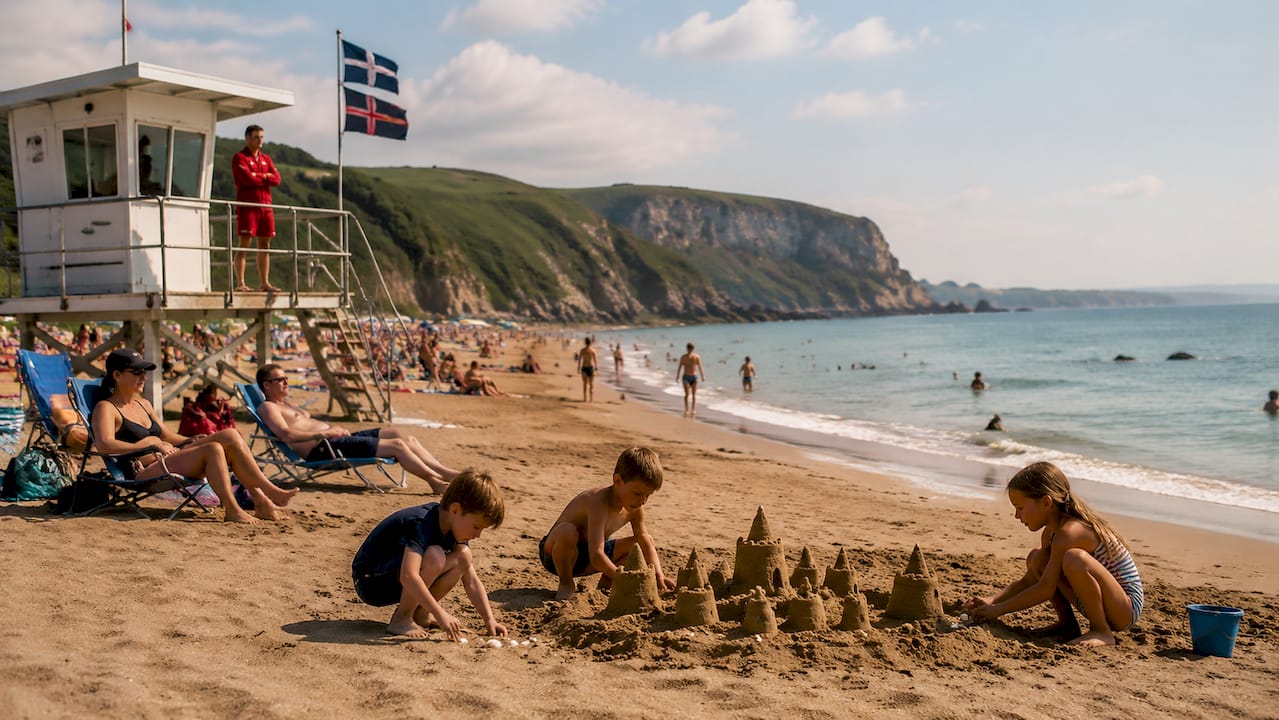
Oddicombe Beach near Torquay is accessible by a Victorian cliff railway and offers a quieter alternative to the busier Torbay resorts. On the North Devon coast, Croyde and Saunton Sands attract surfers and families in equal measure, with Saunton’s three miles of unbroken sand providing space even on busy August weekends.
Pro Tip: Arrive at South Devon beaches before 10am in July and August. Car parks fill by mid-morning at Blackpool Sands and Oddicombe, and arriving early means you secure both a parking space and the best spot on the sand.
For a guide to the best beaches in Devon across different tastes and budgets, Thedevondrop has a dedicated resource covering facilities, access, and seasonal conditions.
2. Best outdoor activities for adventure and exploration
Devon’s outdoor offer extends well beyond the beach. The county holds two national parks, a world-class long-distance footpath, and surf breaks that attract riders from across Europe.
- Walking on Dartmoor. Dartmoor National Park provides free and extensive outdoor adventure including hiking, wild pony sightings, and letterboxing treasure hunts suitable for all ages. The Haytor and Hound Tor circuits are well-marked and manageable for families, while the high moorland around Yes Tor and High Willhays suits more experienced walkers.
- The South West Coast Path. The path runs the full length of Devon’s coastline and connects towns including Ilfracombe, Clovelly, Dartmouth, and Salcombe. Short sections between villages make excellent half-day walks without requiring a car shuttle.
- Surfing at Croyde. Croyde Bay produces some of the most consistent beach breaks in England. Surf schools including Croyde Surf Academy and Surfing Croyde Bay offer lessons for beginners from April through October.
- Kayaking and coasteering. Operators around Plymouth Sound, the Dart Estuary, and the Exmoor coast run guided kayaking and coasteering sessions. Kayaking the Dart from Totnes to Dartmouth is a full-day classic that combines tidal paddling with outstanding scenery.
- Cycling. The Granite Way between Okehampton and Lydford follows a former railway line across the northern edge of Dartmoor and is traffic-free and family-friendly. The Tarka Trail near Barnstaple covers 30 miles of level cycling along the Taw and Torridge rivers.
- Wildlife and nature reserves. Slapton Ley, Devon’s largest natural freshwater lake, sits directly behind Slapton Sands and is a nationally important nature reserve. Birdwatchers regularly record rare migrants here during spring and autumn passage.
Pro Tip: For memorable outdoor experiences on Dartmoor, go midweek in May or September. The light is exceptional, the car parks are quiet, and you are far more likely to encounter wild ponies without the distraction of weekend crowds.
The Thedevondrop coastal walks guide covers specific routes with distance, difficulty, and transport notes for 2026.
3. Must-try dining experiences and local food producers
Devon’s culinary scene features cream teas, fresh seafood, local pubs, and seasonal farmers’ markets that reflect the county’s agricultural richness and coastal heritage. This is not a county where you eat well by accident. You eat well because the raw ingredients are outstanding and the producers know it.
Key dining experiences worth planning around:
- Cream tea. The Devon cream tea places the jam before the cream, which is the correct order regardless of what Cornwall claims. Dartington Hall, Buckland Abbey, and dozens of village tea rooms serve the real thing with clotted cream from local dairies.
- Fresh seafood. Brixham is one of England’s busiest fishing ports and its quayside fish market supplies restaurants across the South West. The Rockfish group operates restaurants in Brixham, Dartmouth, and Plymouth, serving fish landed within hours of service.
- Local cider and beer. Devon produces serious cider from orchards across the Exe Valley and the Blackdown Hills. Sandford Orchards near Crediton and Gray’s Farm Cider near Tedburn St Mary both welcome visitors. For local craft beer, the county has a growing number of independent breweries including Dartmoor Brewery and Salcombe Brewery Co.
- Farmers’ markets. Totnes, Exeter, and Tavistock all host regular farmers’ markets where you can buy artisan cheese, charcuterie, heritage vegetables, and smoked fish directly from producers. Tavistock Farmers’ Market on the second Saturday of each month is one of the best in the South West.
- Pub dining. The Mason’s Arms at Branscombe, the Drewe Arms at Drewsteignton, and the Nobody Inn at Doddiscombsleigh are three pubs that justify a detour. All three combine exceptional local food with proper Devon atmosphere. For a broader list of Devon pubs worth visiting, Thedevondrop has curated recommendations by area.
4. Cultural events and heritage highlights
Devon hosts annual cultural events including food festivals, coastal arts programmes, and family-friendly heritage activities that enrich visits throughout the year. The county’s historic towns add depth to any holiday that goes beyond the beach.
Exeter is Devon’s cathedral city and one of the best-preserved Roman towns in England. The Exeter Cathedral, the underground Roman baths, and the Royal Albert Memorial Museum are all free or low-cost and genuinely absorbing. The Exeter Festival of South West Food and Drink, held each spring, draws producers and chefs from across the region.
Dartmouth hosts the Royal Regatta in late August, one of the oldest sailing regattas in the country, and the Dartmouth Food Festival each October. Both events transform the town and are worth timing a visit around. Totnes, known for its independent shops and arts scene, runs a weekly market and hosts the Totnes Orange Race each August, a tradition dating back to the 16th century.
For heritage visitors, Powderham Castle near Exeter, Compton Castle near Paignton, and the Dartmouth Castle at the mouth of the Dart Estuary all offer guided tours and seasonal events. The English Riviera UNESCO Global Geopark, centred on Torbay, is one of only a handful of urban geoparks in the world and provides a genuinely unusual lens through which to explore the coastline.
Devon is a year-round destination, with spring and autumn offering quieter, milder visits ideal for cultural exploration. Shoulder seasons mean better availability at hotels and restaurants, and the county’s events calendar runs from February through December, including Christmas markets in Exeter and Dartmouth that make christmas in Devon a genuinely appealing prospect.
5. Scenic day trips and hidden gems
Devon’s day trips combine coast and moorland in ways that make even a short visit feel varied and satisfying. The county is compact enough that you can move between very different landscapes within an hour.
| Day trip | Starting point | Distance | Highlight |
|---|---|---|---|
| Dartmoor: Haytor and Hound Tor | Exeter or Newton Abbot | 45 mins by car | Wild moorland, granite tors, wild ponies |
| Exmoor: Lynton and Lynmouth | Barnstaple | 40 mins by car | Cliff railway, Valley of Rocks, coastal views |
| Dartmouth and Kingswear | Totnes | 30 mins by car or river ferry | Castle, estuary, steam railway |
| Salcombe and the Kingsbridge Estuary | Plymouth | 50 mins by car | Estuary walks, independent shops, beaches |
| Clovelly village | Bideford | 20 mins by car | Cobbled streets, donkeys, no cars |
Inland Devon accommodation in areas like the Blackdown Hills costs 20 to 30% less during peak season than coastal equivalents, making it an excellent base for day-trippers who want access to both coast and countryside without paying coastal prices. Clovelly, on the North Devon coast, is one of the most photographed villages in England and yet remains genuinely unspoilt because the cobbled main street is impassable to vehicles. It rewards an early morning visit before the day-tripper coaches arrive.
For those travelling without a car, the Dartmouth Steam Railway runs between Paignton and Kingswear, and the Tarka Line connects Exeter to Barnstaple through the Taw Valley. Both routes are scenic in their own right and open up areas that would otherwise require a car.
Key takeaways
Devon holidays reward visitors who plan ahead for popular spots but stay flexible enough to discover the county’s quieter corners.
| Point | Details |
|---|---|
| Book beaches early | Blackpool Sands and Oddicombe car parks fill by mid-morning in peak summer. |
| Go inland for value | Accommodation 30 to 45 minutes inland costs 20 to 30% less than coastal equivalents. |
| Visit in shoulder seasons | Spring and autumn offer quieter crowds, lower prices, and excellent walking conditions. |
| Eat locally and specifically | Brixham seafood, Tavistock market, and Exe Valley cider are worth planning meals around. |
| Use the national parks | Dartmoor and Exmoor provide free, world-class outdoor experiences within an hour of most Devon bases. |
Why I always tell people to spend at least one night inland
Most visitors to Devon book a cottage on the coast and spend their entire holiday within walking distance of the sea. That is a perfectly good holiday. But it is not the best Devon holiday available.
The county reveals itself properly when you move between its different landscapes. A morning on Saunton Sands followed by an afternoon on Dartmoor, with dinner at a pub in a village that has not changed much since the 1970s, is the kind of day that stays with you. The contrast is the point.
I have found that first-time visitors consistently underestimate how different North and South Devon feel from each other. The South is warmer, more sheltered, and more polished. The North is wilder, more dramatic, and considerably less crowded. Holidays to Devon and Cornwall often treat the two counties as interchangeable, but Devon alone contains enough variety to fill several different types of holiday.
The other thing I would say is this: advance booking is genuinely necessary for popular coastal spots during school holidays, but many holiday parks offer cancellation flexibility that makes early booking less of a risk than it used to be. Book the accommodation early, then leave the itinerary loose. Devon rewards spontaneity in a way that over-planned holidays rarely do.
— Mark
Discover more Devon with Thedevondrop

Thedevondrop is built for people who want to get more from Devon, whether that is a first visit or a return trip to somewhere familiar. The site covers beaches, walks, food, events, and accommodation across the whole county, with local knowledge that goes beyond what any generic travel guide provides. If you are still planning your trip, the Devon weekend itineraries page is the best place to start. For accommodation ideas beyond the obvious coastal options, the Devon hotels guide covers a range of stays from country house hotels to independent holiday parks. And if you want to go deeper into what Devon has to offer, The Devon Drop is where local experiences come together.
FAQ
What is the best time of year for Devon holidays?
Spring and autumn offer the best balance of good weather, lower prices, and smaller crowds. Summer is ideal for beaches but requires advance booking for popular coastal accommodation.
How far is Devon from London?
Devon is approximately 3 to 3.5 hours by car from London via the M5, making it significantly more accessible than Cornwall, which adds at least an hour due to A30 congestion on summer Saturdays.
Are Devon beaches suitable for families?
South Devon’s Blue Flag beaches, including Dawlish Warren and Blackpool Sands, are patrolled by RNLI lifeguards during summer and offer clean sand, safe paddling areas, and good visitor facilities. North Devon beaches suit older children and adults who enjoy surf and open water.
Is Devon cheaper than Cornwall for a family holiday?
A week in a three-bedroom self-catering cottage in Devon during peak summer 2026 costs between £375 and £900, compared to £1,250 to £2,330 for a comparable Cornwall stay. Devon consistently offers better value for family holidays.
What is there to do in Devon at Christmas?
Christmas in Devon centres on Exeter’s Cathedral Christmas Market, Dartmouth’s festive food events, and seasonal programmes at heritage sites including Powderham Castle. Devon christmas events run from late November through to early January across the county.