Devon rivers: the complete guide for outdoor adventurers
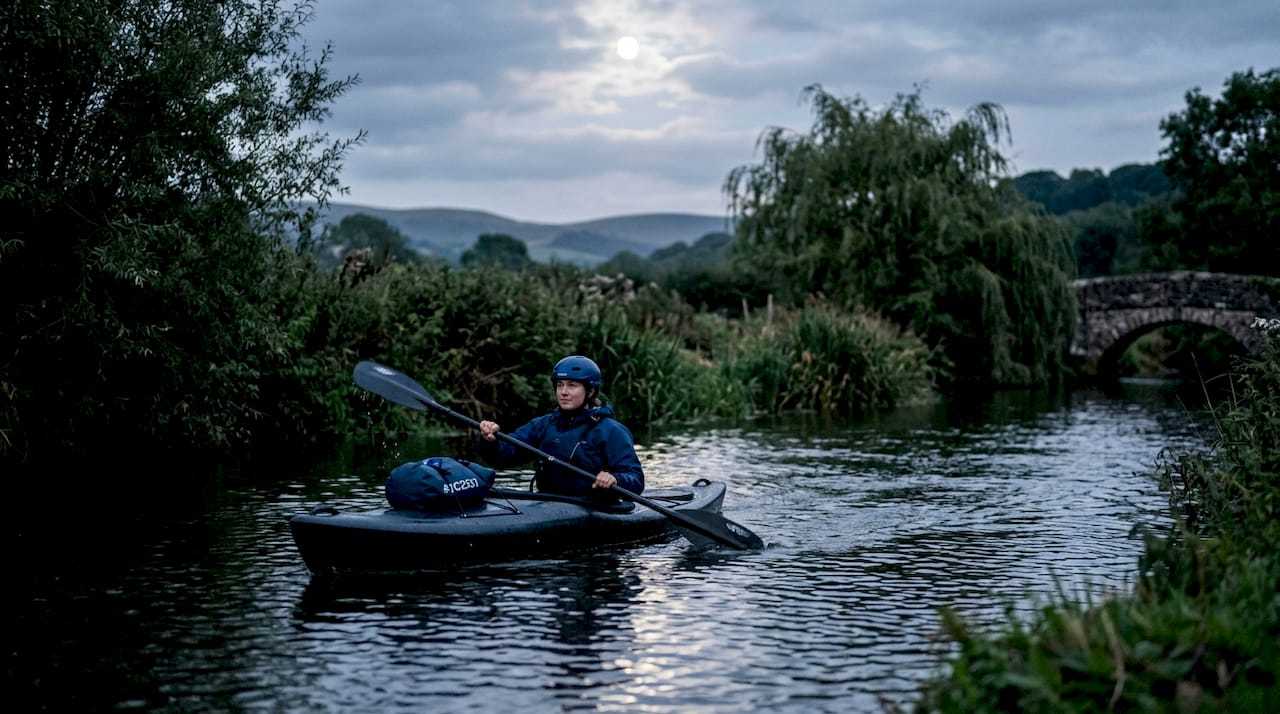
Devon rivers are defined by their diversity, flowing from high moorland sources through ancient oak woodland and tidal estuaries to meet the sea at both the English Channel and the Bristol Channel. The county holds some of the most rewarding waterways in England, from the 61-mile River Tamar to the intimate 6.5-mile River Sid. Whether you are planning scenic walks along Devon, a kayaking trip on the Exe estuary, or a quiet morning fly fishing for brown trout, the rivers here offer something genuinely worth travelling for.
What are the major Devon rivers and where do they flow?
Devon’s rivers vary dramatically in scale and character, and understanding their geography shapes every outdoor plan you make. The River Exe rises at 440 metres on Exmoor and runs 60 miles to its estuary at Exmouth. The River Tamar, at 61 miles, forms most of the border between Devon and Cornwall before reaching Plymouth Sound. The River Teign rises at 528 metres on Dartmoor, making it the highest-source river in the county, and runs 31 miles to its estuary at Teignmouth.
Shorter rivers carry their own appeal. The River Otter flows 27 miles from 275 metres through East Devon’s Area of Outstanding Natural Beauty before reaching the sea at Budleigh Salterton. The River Torridge covers 58 miles from its source at 206 metres, winding through North Devon farmland to meet the Taw at Bideford Bay. The River Sid, at just 6.5 miles, is the shortest of the major rivers but passes through some of the most unspoilt valley scenery in the county.
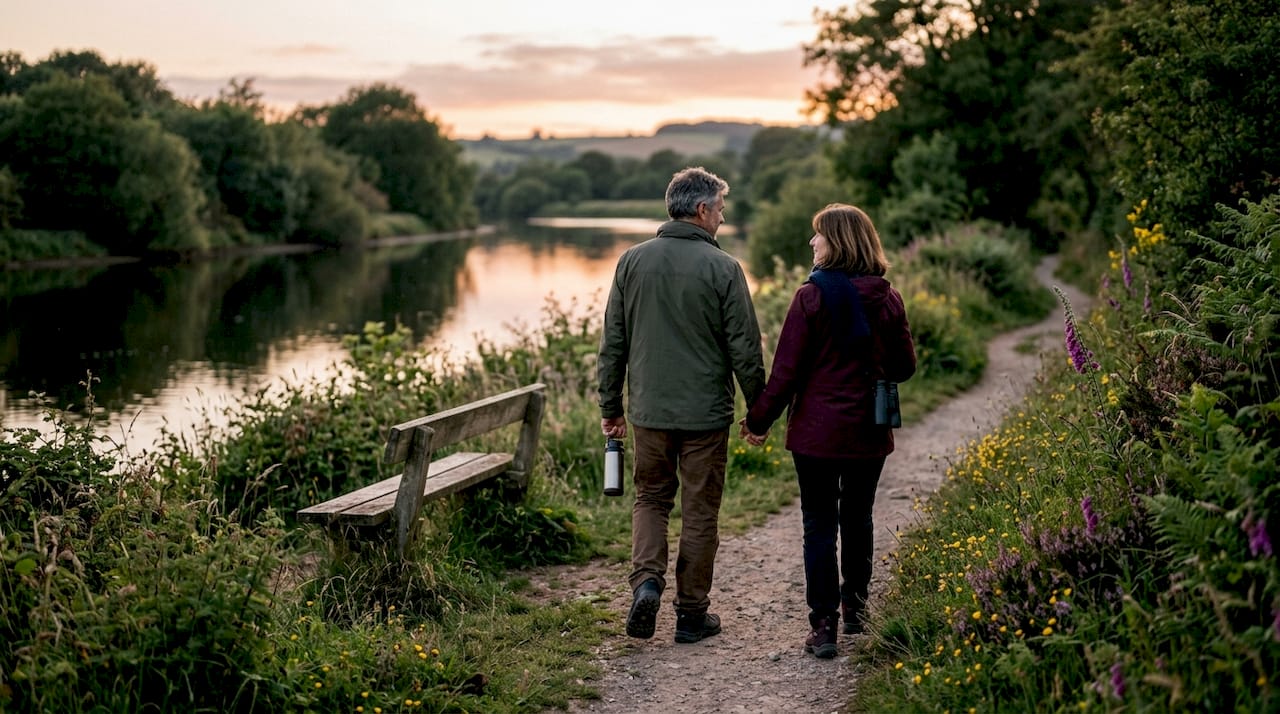
Many of these rivers flow through or alongside protected landscapes. The Teign and the Dart both rise on Dartmoor National Park, while the upper Exe and Taw drain Exmoor. That protected status means the riverbanks remain largely undeveloped, which is precisely why the wildlife and scenery stay so good.
| River | Length | Source elevation | Estuary location |
|---|---|---|---|
| Tamar | 61 miles | 206 m | Plymouth Sound |
| Exe | 60 miles | 440 m | Exmouth |
| Torridge | 58 miles | 206 m | Bideford Bay |
| Teign | 31 miles | 528 m | Teignmouth |
| Otter | 27 miles | 275 m | Budleigh Salterton |
| Sid | 6.5 miles | 206 m | Sidmouth |
Pro Tip: Download an offline Devon rivers map before heading into Dartmoor or Exmoor. Mobile signal disappears quickly on the high moor, and knowing your river crossings in advance saves real time.
How can you enjoy scenic walks and wildlife spotting along Devon’s rivers?
The best riverside walks in Devon combine easy access with genuinely wild scenery. The Teign Gorge walk from Fingle Bridge to Castle Drogo follows the river through ancient sessile oak woodland and is one of the most dramatic valley walks in southern England. The upper Exe valley on Exmoor offers a quieter alternative, with open moorland giving way to alder-lined banks as the river drops in elevation. Both routes reward walkers who move slowly and stay close to the water.
Wildlife along Devon rivers is rich and varied. Dippers are the signature bird of the upland stretches, bobbing on midstream boulders before plunging underwater to feed. Grey wagtails follow the same fast-flowing sections. Otters have recovered strongly across Devon and are now regularly seen on the Otter, Teign, and Torridge, particularly at dawn and dusk. Kingfishers favour the slower, deeper stretches near estuaries. In spring, the riverbanks carry wild garlic, primroses, and bluebells in succession.
The most rewarding wildlife experiences come from exploring less frequented stretches inside Dartmoor and Exmoor National Parks. Popular car parks and well-signposted trails are fine starting points, but walking a further mile upstream from any busy access point puts you in genuinely quieter territory. Early morning visits in april, may, and june give the best combination of light, birdsong, and animal activity.
Recommended riverside walking routes:
- Fingle Bridge to Castle Drogo (River Teign): 4 miles of gorge woodland with dippers, otters, and ancient oak canopy.
- Tarr Steps to Withypool (River Barle, Exmoor): A classic moorland river walk crossing the famous clapper bridge.
- Otterton to Budleigh Salterton (River Otter): Flat, accessible estuary walking through the East Devon AONB with excellent birdlife.
- Lydford Gorge (River Lyd): A National Trust managed gorge with a dramatic waterfall and deep wooded canyon.
- Dartmeet circular (River Dart): Short but spectacular walk at the confluence of the East and West Dart on open moorland.
Pro Tip: Wear waterproof boots even in dry weather. Devon river valleys hold moisture year-round, and the most interesting bankside paths are almost always muddy.
What are the best rivers in Devon for kayaking and water-based activities?
Devon river kayaking suits a wide range of abilities because the county’s rivers offer everything from gentle tidal estuaries to technical whitewater. The Exe and Teign estuaries are the most accessible starting points for beginners. Both are tidal, which means calm water on the flood tide and a helpful current on the ebb. The Exe estuary from Topsham to Exmouth is particularly popular, offering wide open water, abundant birdlife, and easy launch points.
The River Dart is the county’s premier whitewater river. The upper Dart above Dartmeet carries grade 3–4 rapids after heavy rain and attracts experienced paddlers from across the country. The lower Dart from Totnes to Dartmouth is a completely different experience: a deep, wooded tidal estuary navigable by sea kayak and open canoe alike. Planning a kayaking trip on Devon rivers follows a clear sequence.
- Choose your river and section. Match the grade of water to your skill level. Beginners should start on tidal estuaries; intermediate paddlers suit the middle Dart or Teign gorge; advanced paddlers target the upper Dart or Tamar headwaters.
- Check river levels and conditions. Devon rivers rise and fall quickly after rain. The Environment Agency’s river level monitoring service publishes real-time gauge readings online.
- Obtain any required permits. Some stretches of Devon rivers require a British Canoeing waterway licence. Check the specific river before launching.
- Arrange equipment and transport. Kayak hire is available at Topsham on the Exe and at Totnes on the Dart. Shuttle services for one-way trips can be arranged through local outdoor centres.
- File a float plan. Tell someone your launch point, intended route, and expected return time. River conditions can change, and this simple step matters.
Safety on Devon rivers means wearing a buoyancy aid at all times, carrying a throw line, and knowing how to self-rescue before attempting moving water. Cold water shock is a real risk even in summer, when air temperatures feel warm but river water remains cold.
What should anglers know about Devon river fishing?
Devon river fishing centres on three species: wild brown trout, Atlantic salmon, and sea trout. Brown trout are present throughout the upland rivers, while salmon and sea trout run the larger rivers including the Exe, Taw, Torridge, and Dart from late spring through autumn. The fishing atmosphere on Devon rivers is notably quieter and more contemplative than coastal fishing, owing to the clear upland water and natural riverscapes.
Permits are mandatory on almost all managed beats. On the River Dart, daily permits cost £12 for brown trout and £30 for salmon and sea trout, with weekly rates of £30 and £85 respectively. Fly fishing is typically the only permitted method on these beats. Permits are available through the FishPass app or from local hotel desks and tackle shops. Checking availability before travelling is worth doing, as popular beats book out quickly in peak season.
Seasonal timing matters, but weather matters more. On the River Taw, 168 wild brown trout were returned in april 2026 and 186 in may 2026, with fish typically measuring 11–15 inches. Those numbers reflect good conditions, but fishing success depends heavily on spates and insect hatches rather than the calendar alone. A river in flood after heavy rain fishes poorly; the same river two days later, as it drops and clears, can fish exceptionally well.
Technique varies through the season. Nymph patterns work well in early spring when water temperatures are low and fish hold deep. As the water warms from may onwards, dry fly patterns including Elk Hair Caddis become effective during evening hatches. Beginners are strongly advised to book a guided session before fishing independently, as Devon’s river banks are often steep, overgrown, and technically demanding.
Fishing etiquette and regulations to follow:
- Always carry your permit and produce it on request from a bailiff or landowner.
- Practise catch and release on wild brown trout unless the beat rules specify otherwise.
- Wade carefully and minimise disturbance to spawning gravels, particularly from october to february.
- Do not fish within 50 metres of another angler without their agreement.
- Remove all litter, including monofilament line, which is lethal to birds and otters.
Key takeaways
Devon rivers offer the county’s most varied outdoor experiences, from moorland wildlife walks and tidal kayaking to fly fishing on managed beats with permits starting at £12 per day.
| Point | Details |
|---|---|
| River geography | The Tamar (61 miles) and Exe (60 miles) are the longest; the Teign has the highest source at 528 metres. |
| Wildlife walks | Fingle Bridge, Tarr Steps, and the Otter estuary are the most rewarding routes for birds and mammals. |
| Kayaking by ability | Beginners suit the Exe and Teign estuaries; the upper Dart is grade 3–4 and requires experience. |
| Fishing permits | Managed beats on rivers like the Dart charge £12–£85; the FishPass app is the quickest way to book. |
| Weather over calendar | Spates and insect hatches drive fishing and paddling conditions more reliably than fixed seasonal dates. |
Why Devon’s rivers reward the patient explorer
I have spent a lot of time on Devon’s rivers over the years, and the thing that still surprises me is how quickly the crowds disappear once you leave the car park. Fingle Bridge on a summer weekend is busy. Walk a mile upstream and you will have the gorge entirely to yourself. That pattern repeats on almost every river in the county.
The rivers I return to most are the ones that feel genuinely wild rather than managed. The upper Taw on Exmoor carries that quality. So does the East Dart above Dartmeet, where the water runs over pink granite and the only sounds are the current and the wind. These are not places you find on a Devon weekend itinerary built around convenience. You have to walk for them.
My honest advice is to plan around the weather rather than the season. I have had brilliant days on Devon rivers in november and poor ones in june, simply because the conditions were right or wrong. A river dropping after a spate, with the water turning from brown to amber, is one of the best times to be out, whether you are fishing, paddling, or just watching. Flexibility is the skill that separates a good day from a wasted one.
For anyone new to Devon’s rivers, the Dartmoor trails guide is a practical starting point for understanding the river valleys on the moor. Start with the well-known routes, then use them as a base to find your own stretches.
— Mark
Plan your Devon river day with Thedevondrop
A day on Devon’s rivers works best when the rest of the plan is sorted too. Thedevondrop brings together curated local experiences across dining, wellness, and accommodation, so you can pair a morning on the water with something worth looking forward to afterwards.

Whether you are after a riverside pub lunch, a spa evening after a long walk, or a place to stay close to the Exe or Dart, the Devon Drop offers a range of experiences chosen specifically for people who love this county. If you want to finish a river day in real style, the dinner for two at The Cary Arms & Spa is a genuinely special option on the South Devon coast, just a short drive from the Dart estuary.
FAQ
What are the longest rivers in Devon?
The River Tamar at 61 miles and the River Exe at 60 miles are the longest rivers in Devon. Both flow from moorland sources and reach the sea via wide tidal estuaries.
Do I need a permit to kayak on Devon rivers?
Some stretches of Devon rivers require a British Canoeing waterway licence, while tidal estuaries are generally open access. Always check the specific river section before launching.
When is the best time to fish for trout on Devon rivers?
May and june are typically the most productive months for wild brown trout, though conditions depend more on river levels and insect hatches than the calendar date alone.
Which Devon river is best for beginners to kayak?
The Exe estuary from Topsham to Exmouth is the most accessible option for beginners, offering calm tidal water, easy launch points, and excellent birdlife along the route.
Where can I spot otters on Devon rivers?
Otters are regularly seen on the River Otter, Teign, and Torridge, particularly at dawn and dusk. Moving quietly along less frequented stretches gives the best chance of a sighting.