Landed This Morning: A Local's Guide to Devon Fish, from Boat to Plate

October does something quietly wonderful to the Devon coast. The deckchairs go back into storage, the car parks empty out, and the county gets on with the thing it has always done, which is catching fish. The boats don't know the season is "over". They go out from Brixham and Salcombe and Beesands in exactly the way they did in July, and because the visitors have mostly gone home, the people eating the catch are us. If you want to understand how this county actually feeds itself, autumn is the time to watch it happen — and this is a story best followed in order, from the quayside auction at dawn to the plate put down in front of you that evening.
Start at Brixham, the engine room
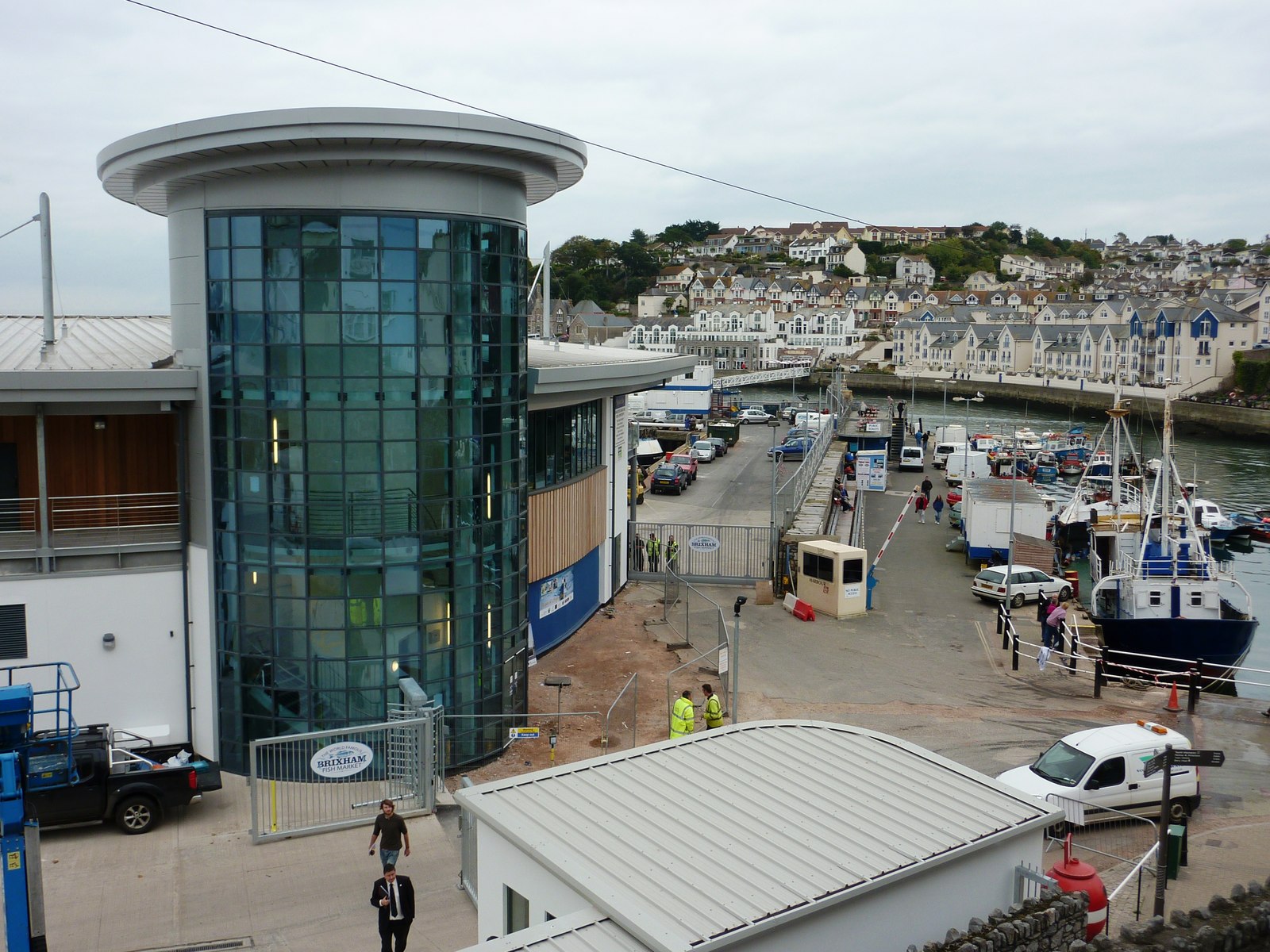
Everything in Devon's fish world radiates out from one building on the harbourside at Brixham. The fish market there describes itself as England's largest fish market by value of fish sold, and the numbers back the swagger: in 2025 it sold a record £77 million worth of fish — the highest annual figure in its history — with 13,830 tonnes crossing the market floor. Cuttlefish alone accounted for more than 3,100 tonnes, with another 1,795 tonnes of Mediterranean octopus, a species that has turned up in force in recent seasons and changed the rhythm of the port. Something like forty different species are landed here through the year, sold through an online auction that lets buyers bid from anywhere while the fish sits in Brixham ice.
You can see it for yourself, and we'd argue you should. Early-morning fish market tours run from the quayside — rise-at-dawn early, as the market comes to life — and finish with a seafood breakfast eaten the way the fishermen traditionally take it, with proceeds going to the Fishermen's Mission. The town has built a whole celebration around this larder: England's Seafood FEAST, the English Riviera's autumn food festival, filled restaurants across Torquay, Paignton and Brixham again this year before wrapping up in early October — worth planning around next autumn if you missed it. And if you're in Brixham with a morning to spare anyway, the walk out past Shoalstone's Victorian sea pool — one of the stars of our guide to Devon's lidos and sea pools — is the best free show in Torbay.
Eat above the auction floor: Rockfish, Brixham
The shortest journey any fish makes in Devon might be the one at Rockfish in Brixham, which sits directly above the fish market itself, looking over the harbour. This is Mitch Tonks territory — the Devon restaurateur has spent his career making the case for Brixham fish, and he isn't shy about the scale of the claim: "I have a real belief that the fish is the best in the world." The menu moves with whatever came off the boats that morning, which is rather the point of sitting where it sits, and the same Brixham supply line feeds the other Rockfish restaurants along the coast in Dartmouth, Torquay and Plymouth. Order whatever the day boats brought in and let the kitchen do the talking.
Across the bay: Tides, Torquay
Follow the curve of Torbay round from Brixham and you land at Abbey Sands on the Torquay seafront, where Tides has settled into the crescent at the back of the beach. It's run by the same Torquay family behind Portofino in Wellswood, Ollie's on Torwood Street and The Bit on the Side, and the thinking here is relaxed coastal dining built around fish and seafood landed daily across the water in Brixham — the team choose their catch by working closely with the market we started this piece in, which is exactly the boat-to-plate arithmetic this article is about. The menu runs from crab arancini and tandoori grilled octopus to roasted scallops, local oysters and a hot seafood paella, there's a mussels night on Wednesdays built around local shellfish, and the room is open every day from nine in the morning until late, with the sea doing its thing on the other side of the glass. Tides is also the venue behind one of our current drops, if you fancy making an occasion of it — the details are here.
Crab with the boats alongside: the Crab Shed, Salcombe
Salcombe in autumn is a different town from Salcombe in August, and a better one to eat in. The Crab Shed sits right on the waterside overlooking the harbour, and its crab makes about the shortest trip in the shellfish world: landed by local day boats on the quayside next to the restaurant, then cooked and hand-picked on site. That's the whole supply chain, visible from your table. If you'd rather do the work at home, they'll sell you crab to collect and cook yourself. Lunch runs from midday, dinner in the early evening, and booking ahead is sensible even out of season — word has long since got out.
Dinner on the shingle: Britannia @ the Beach, Beesands
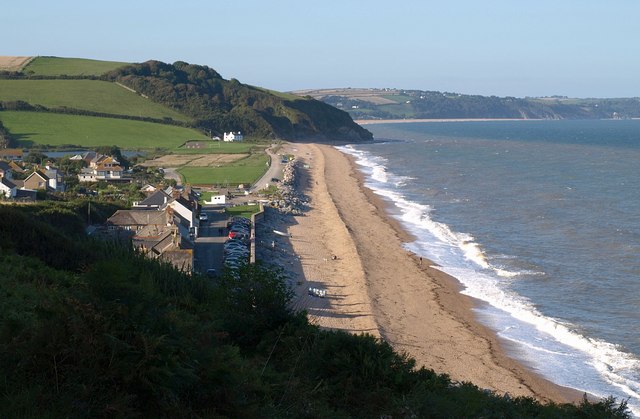

Beesands is a single row of cottages facing the long shingle sweep of Start Bay, and at one end of it stands a place locals simply call The Shack. Britannia @ the Beach began life as the village store and fishmonger and grew, without ever getting grand about it, into one of the South Hams' best-loved places to eat fish. The crab gets its own corner of the menu — a "Crab Celebration" of local hand-picked Start Bay crab — alongside local scallops and mussels, a proper homemade fish pie and, when you're feeling flush, a whole split lobster. The menus change with what's available, which around here is a feature rather than an apology. The same family of businesses runs Britannia Shellfish, shipping South Devon fish and shellfish around the country, so if you fall for the crab you can arrange to collect some from Beesands on your way home.
The silver darlings of Clovelly
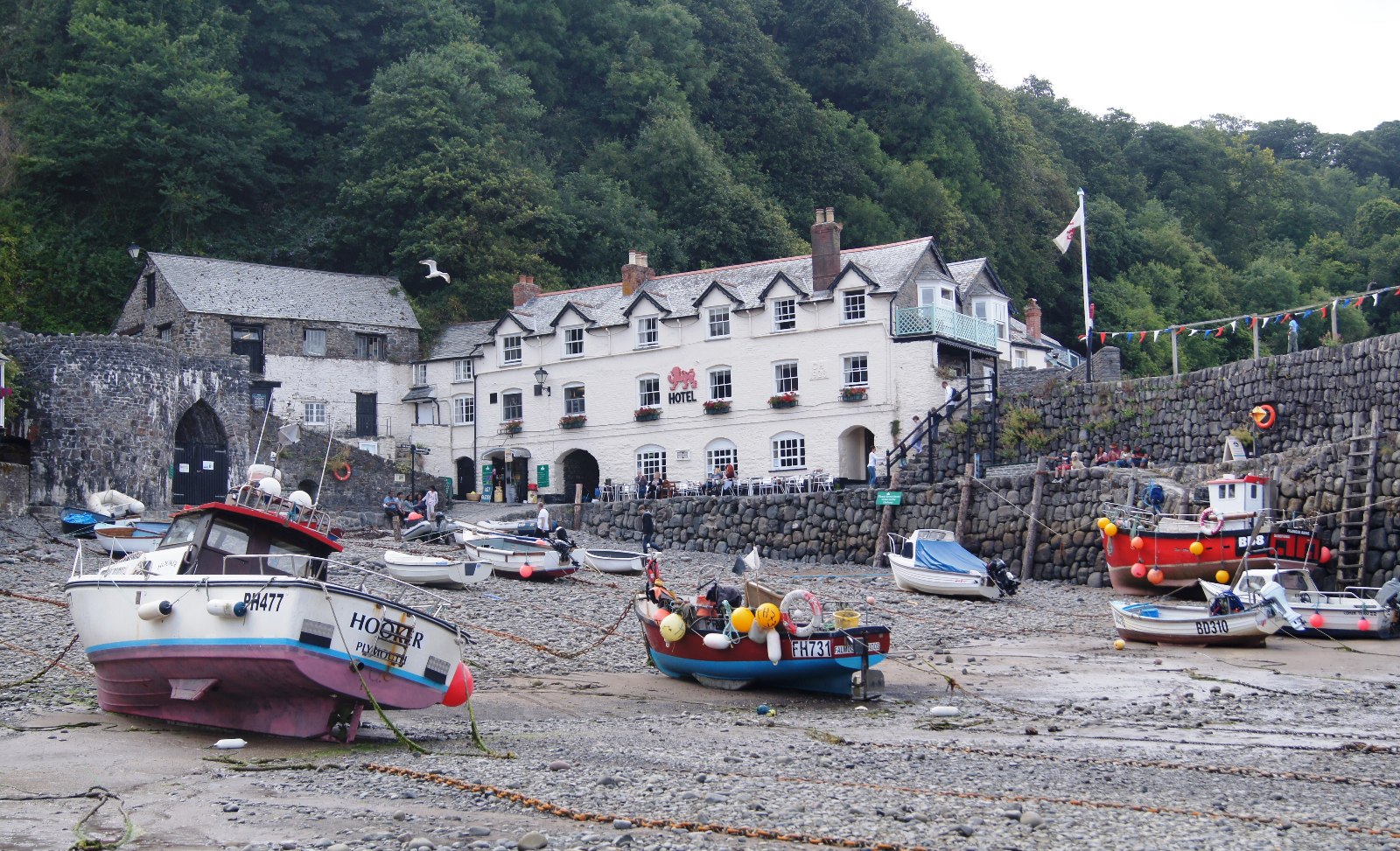

Cross the county to the North Devon coast and the fish story gets older and stranger. Clovelly — the famously car-free village whose cobbled street drops four hundred feet in half a mile to the quay — once sheltered as many as a hundred fishing boats, most of them chasing the autumn herring the old fishermen called the silver darlings. Today just a handful of boats work from the harbour, among them a replica of the picarooner, a light, fast boat built only in Clovelly whose name is said to come from the Spanish for rogue. The harbourmaster, Stephen Perham, one of the last of Clovelly's fishermen, still takes the picarooner Little Mary out for herring in season.
The village honours all this each November with the Clovelly Herring Festival, which this year falls on Sunday 15 November. The quay fills with stalls of herring specialities, local food and crafts, there's live music through the day, and the maritime historian Mike Smylie brings his Kipperland exhibition, smoking herring into kippers and bloaters on the spot. It's a festival with a purpose beyond the fun: celebrating the silver darlings while supporting the kind of small-boat, sustainable fishing that kept this coast alive for centuries. Wrap up warm — the season's turning by then, the same weeks that bring the wintering flocks back to our mudflats, which is a show we've written up in our guide to Devon's estuary birds.
How to eat like a local
None of this requires insider knowledge, just a change of habit. Ask what the day boats landed, and order that. Eat crab in the afternoon it was picked. Stand on a quayside at dawn once in your life and watch forty species of fish find their buyers before most of the county has had breakfast. The fish never left, the boats never stopped, and in autumn, with the coast handed back to the people who live here, there is no better time to follow the catch from boat to plate.