The Winter Lodgers: A Local's Guide to Devon's Estuary Birds
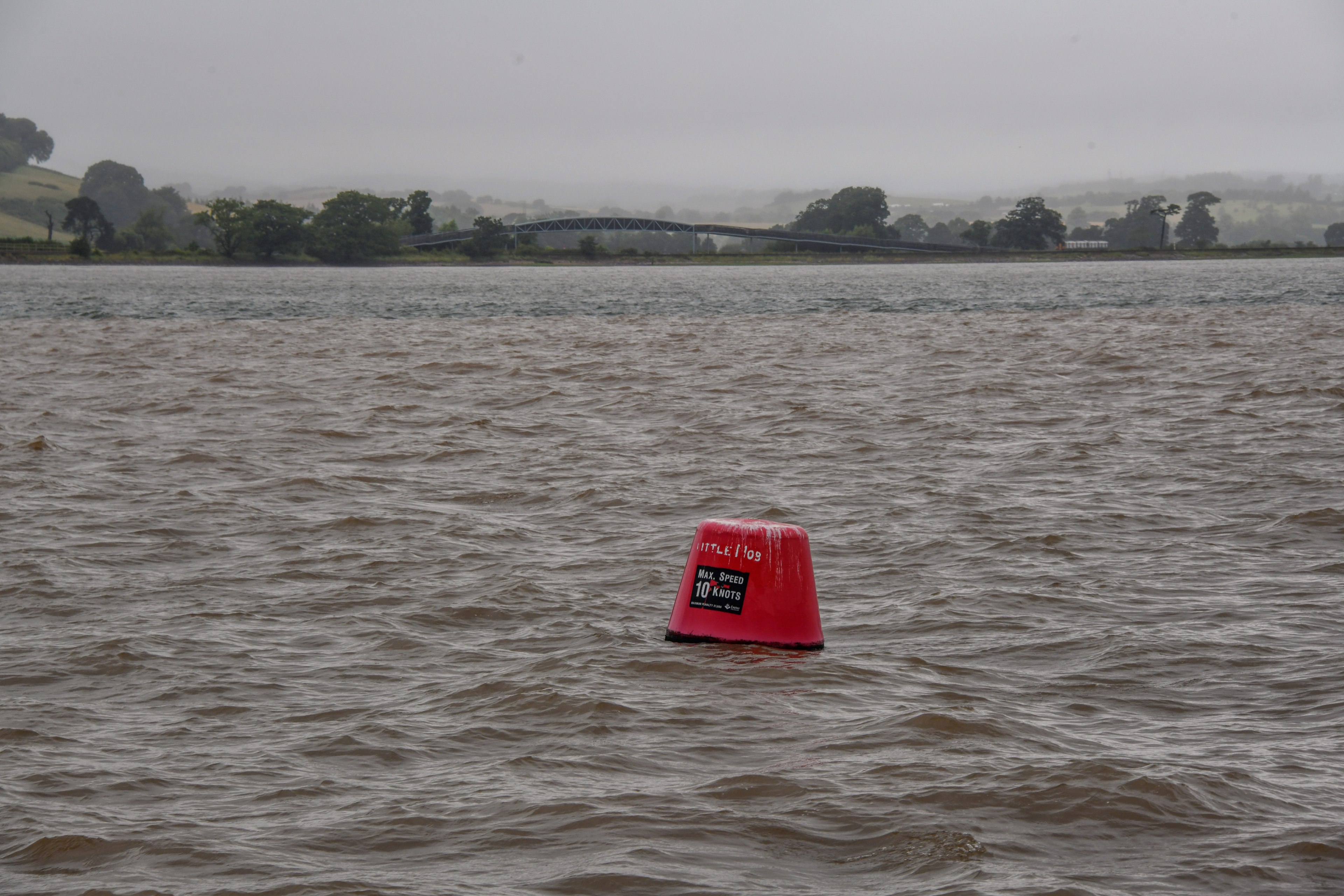

There is a moment every October when Devon quietly changes hands. The deckchairs go back into garages, the ice-cream kiosks wind down, and just as the county seems to be emptying out, the estuaries begin to fill. Birds that spent the summer in Arctic Russia, Iceland and Scandinavia are dropping onto our mudflats in their thousands, and they will stay until spring. It is the biggest wildlife spectacle Devon puts on all year, it happens through the greyest months, and most of the best seats are free.
The secret is the mud. An estuary at low tide looks like nothing much, but every square metre of that ooze is packed with ragworms, snails and tiny shrimps — a larder that never freezes and refills twice a day. For a curlew that has flown in from the far north, a Devon estuary in January is not a hardship posting. It is the good life. You don't need to be a birder to enjoy any of this. You need wellies, a flask, something with a hood, and a tide table.
The Exe: the main event
Start with the Exe, because everything else in this guide is a variation on its theme. The estuary runs about ten kilometres from Exeter down to the sea between Exmouth and Dawlish Warren, and in winter it holds more than 20,000 birds, with counts in good years passing 30,000. It carries the full set of designations — Site of Special Scientific Interest, Special Protection Area, Ramsar wetland of international importance — which is the paperwork's way of saying this is one of the most significant estuaries in Europe.
Two winter residents give the Exe its star quality. The first is the avocet: a black-and-white wader on long blue-grey legs with a delicate upturned bill, elegant enough that the RSPB chose it for its logo. A wintering flock that can number several hundred gathers on the upper estuary, arriving as autumn deepens and staying into the new year, sweeping their bills through the shallows in long, synchronised lines. The branch railway from Exeter to Exmouth is officially named the Avocet Line in their honour — not many birds get their own train service. The second is the dark-bellied brent goose, a small, sooty goose that breeds in Arctic Russia; the Exe hosts around one per cent of the world's dark-bellied population, and their murmuring flocks working the eelgrass beds towards Dawlish Warren are one of the great sounds of the Devon winter.
Topsham and Bowling Green Marsh
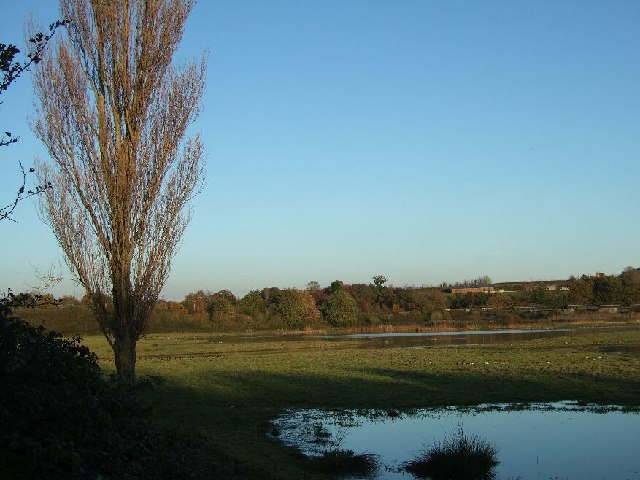

If you only make one trip, make it to Topsham. Tucked behind the town, where the River Clyst meets the Exe, sits RSPB Bowling Green Marsh — a modest-looking field that becomes one of the busiest high-tide roosts on the whole estuary. As the rising water covers the mud, the birds that have been feeding out on the flats need somewhere to wait, and thousands of them choose here: redshanks and greenshanks, dunlin, black-tailed godwits, wigeon and pintail, and in the depths of winter hundreds of curlews standing shoulder to shoulder. Every so often a peregrine drifts over and the whole lot lifts in a roaring, swirling panic — worth the trip on its own.
The wheelchair-accessible Lookout hide is generally open Wednesday to Sunday, ten until four, volunteers permitting, and a viewing platform reached by steps looks down the estuary itself. An elevated path with viewpoints runs from the marsh towards Darts Farm — handily covered in our guide to Devon's farm shops if the cold gets the better of you. Back in town, the Goat Walk, the little raised promenade at the south end of the Strand, gives you the open river at eye level: scan the far mud on a falling tide and the avocets are often right there.
The western bank: Exminster and Powderham Marshes
Across the water, RSPB Exminster and Powderham Marshes spread between the Exeter Ship Canal and the railway — flat, wet fields that are loud with birds all winter. Lapwings tumble over the grass, redshanks probe the ditches, and the air carries the high whistle of wigeon, our most musical duck. Look out, too, for the remains of a Second World War RAF signal-interception base, still visible among the marshes. The walking is easy if sometimes muddy: follow the canal towpath south and you eventually arrive at Turf, where the canal meets the open estuary. Time your visit for the hours either side of high tide, when the birds are pushed closest to the paths.
Dawlish Warren: the sandy doorstep
At the estuary's mouth, Dawlish Warren National Nature Reserve runs a mile of dunes out across the water towards Exmouth — a sand spit that shelters the whole estuary behind it. In winter the beach crowds are gone and the reserve belongs to the birds: brent geese and waders inside the estuary, grebes and sea ducks offshore. A viewing platform overlooks the lake just beyond the visitor centre. Storms and shifting sand have been reshaping the spit for years, so check at the centre for the current state of paths to the point — and give the fenced wildlife refuge area its space, because the birds roosting there have flown a long way for the privilege.
Seeing it from the water
The estuary keeps its biggest flocks out in the middle, which is why locals in the know book a winter bird cruise. Stuart Line Cruises runs guided birdwatching trips from Exmouth Marina on dates from November through to March, with commentary from ornithologists, around three hours afloat, and a heated lower deck for when the weather remembers it's January. Drifting quietly past rafts of ducks and lines of feeding avocets beats any amount of squinting from the shore.
The Axe: Seaton Wetlands
East Devon's answer is Seaton Wetlands, the band of marshes along the Axe Estuary managed by the Wild East Devon team. It is an easy place to love: nearly four kilometres of level trails and boardwalks, several hides, free parking, and a volunteer-staffed Discovery Hut to help you put names to things. Winter brings big numbers of wildfowl and waders to the lagoons and saltmarsh. It was voted Best Nature Reserve in the 2019 BBC Countryfile Magazine Awards, and the secret is well and truly out — the reserve welcomed nearly 125,000 visitors in 2025 — yet on a sharp December morning you can still have a hide almost to yourself.
The Taw–Torridge: Isley Marsh
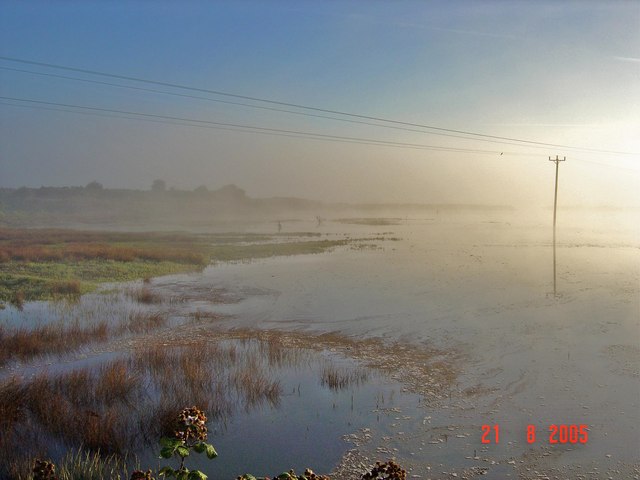

North Devon's estuary birding is quieter and all the better for it. RSPB Isley Marsh sits on the southern edge of the Taw–Torridge estuary: saltmarsh and mudflats kept deliberately undisturbed, with no paths through the reserve itself. Instead you watch from the Tarka Trail, the old railway line that runs along its southern side — join it at Fremington Quay and walk or cycle west towards Instow. Curlews, greenshanks and dunlin feed in numbers, and in the cold months spoonbills — tall, white and faintly ridiculous — have become a regular sight. Come as the tide rises and the birds work their way towards you.
Devon's own bunting
One more stop, for a bird that is ours in a way nothing else in this guide quite is. By 1989 the cirl bunting — a handsome farmland cousin of the yellowhammer — was down to fewer than 120 pairs in Britain, almost all of them on the coastal farmland between Plymouth and Exeter. The RSPB began working with local farmers in 1991 to bring back the mix of habitats the birds need year-round, and by the 2016 survey there were more than 1,000 pairs. South Devon saved a British bird. At RSPB Labrador Bay, on the coast between Shaldon and Maidencombe, the South West Coast Path loops through the reserve with Lyme Bay glittering below; the buntings are resident all year, so even a bracing winter walk can turn one up.
A little winter fieldcraft
Three habits will transform your luck. Check the tide times and arrive an hour or two before high water, when the rising tide does the work of pushing birds towards you. Keep your distance from roosting flocks — a bird flushed in winter is burning fuel it cannot spare. And bring binoculars if you have them, though at places like Bowling Green Marsh the birds are often close enough that you won't feel underdressed without. The days are short, the light goes early, and by mid-afternoon you'll have earned something hot: our guide to brunch in Devon knows exactly where to thaw out. The birds have come a very long way to spend the winter with us. The least we can do is go and say hello.