Devon culture: history, heritage, and living traditions
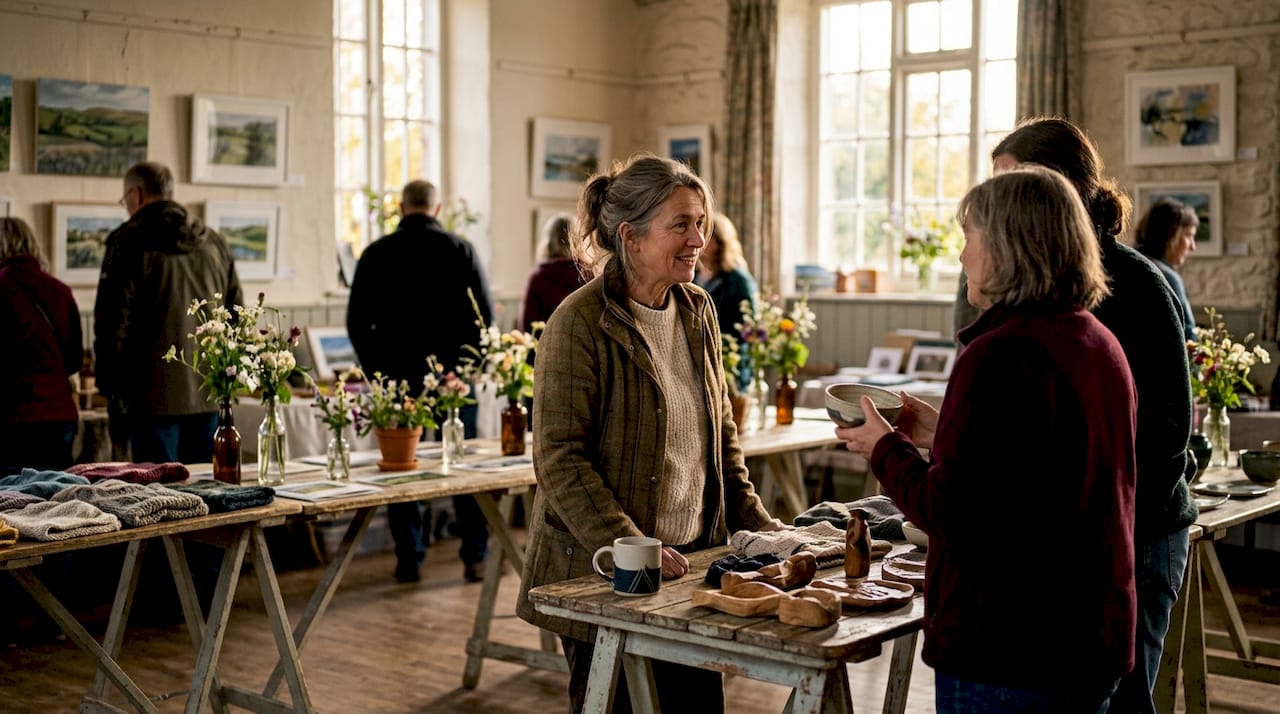
Devon culture is defined by the meeting of ancient history, living craft traditions, and a community spirit that shapes daily life across the county. From the Celtic roots of the far west to the maritime towns of the north coast, the county carries centuries of distinct identity. Residents and visitors who look beyond the cream teas and coastal views find a cultural life that is genuinely surprising in its depth. At Thedevondrop, we write about Devon because we believe this place deserves to be understood, not just visited.
What are the historical roots of Devon culture?
Devon’s cultural identity begins with geography. The county’s geographic isolation shaped distinct dialects, farming practices, and social customs that persisted long after the rest of England had moved on. W.G. Hoskins, whose research on Devon remains the definitive account of the county’s regional character, argued that the terrain created communities that developed largely on their own terms.
The earliest layers of Devon heritage reach back to Celtic and Roman settlement. Celtic Christianity took hold in the far west and left a lasting mark on place names, field patterns, and local saints’ days still observed in some parishes. The Saxon period brought a different administrative order, but the older customs did not disappear. They folded into the new, creating a layered identity that archaeologists and historians are still unpicking.
The Prayer Book Rebellion of 1549 is one of the most revealing moments in Devon history. When the Crown imposed the new Book of Common Prayer in English, Devon and Cornwall rose in armed protest. The rebels called the new service a “Christmas game” and demanded the return of the Latin Mass. The rebellion was crushed, but it showed how deeply Devon communities held their own religious and cultural practices against outside pressure.
Methodism reshaped that religious landscape again in the 19th century. Methodism’s social role in Devon went far beyond Sunday services. It built chapels in fishing villages and mining communities, created choral traditions, and gave working people a framework for education and mutual support. Many of the community halls and choral societies that still function across Devon trace their origins directly to that movement.
Key historical forces in Devon’s cultural formation:
- Celtic Christianity and its influence on place names and parish customs
- The Prayer Book Rebellion of 1549, which revealed the depth of local religious identity
- Saxon administrative structures layered over older Celtic practices
- Methodism’s role in building community institutions across the 19th century
- Geographic isolation preserving dialects and economic customs unique to the county
How do museums and heritage sites preserve Devon’s past?
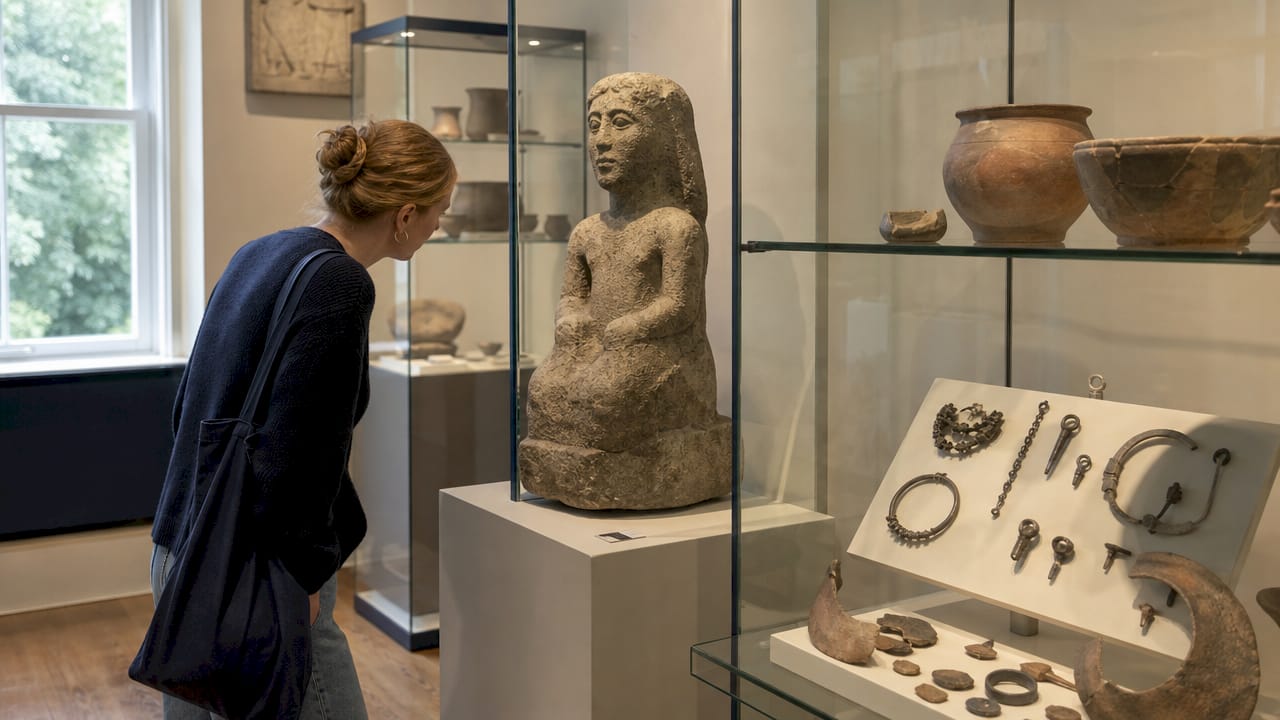
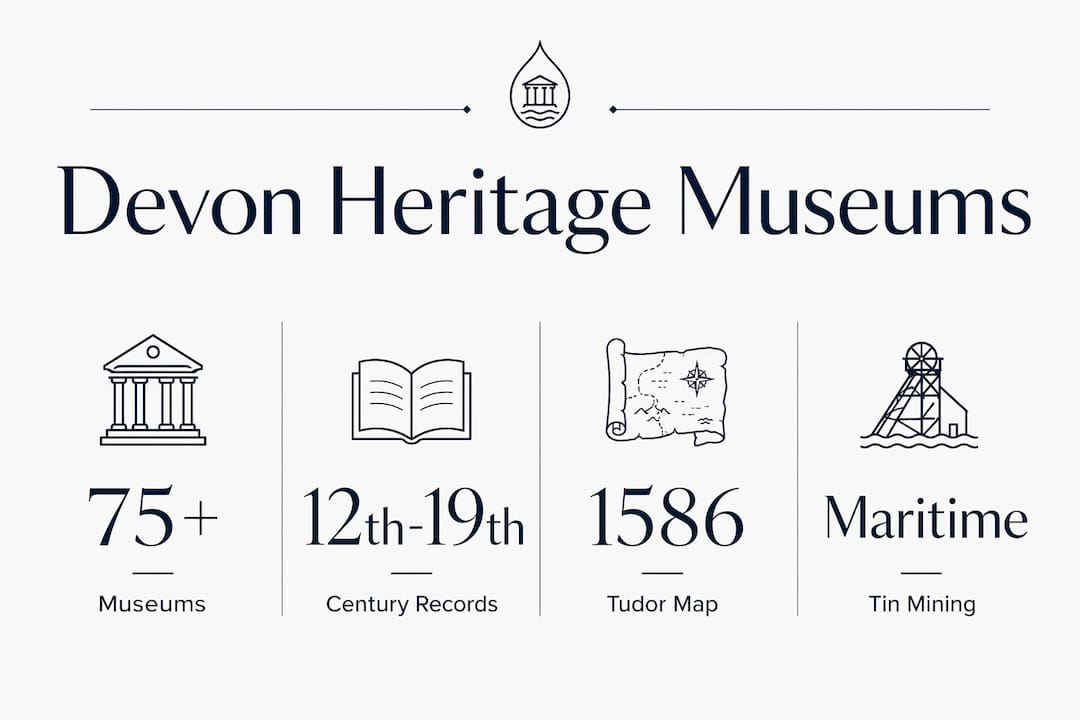
Devon holds over 75 museums covering topics from maritime history and tin mining to lace-making and agriculture. That number is remarkable for a single county. It reflects how seriously Devon communities have taken the work of preserving their own stories rather than leaving that task to national institutions.
The Devon Heritage Centre in Exeter is the county’s principal archive. It holds records spanning the 12th to 19th centuries, including parish registers, estate papers, and local court records not accessible anywhere else. For anyone researching Devon history or family heritage, the Centre is the starting point, not an afterthought.
One of the most striking recent acquisitions at the Centre is a 1586 Tudor map of Kingsbridge. The South West Heritage Trust paid £17,691 to acquire the map for public access. That figure matters because it shows the active effort institutions are making to bring rare primary sources into the public domain rather than letting them disappear into private collections.
| Institution | Focus area | Key feature |
|---|---|---|
| Devon Heritage Centre | Archives and local records | Documents from 12th century onwards |
| Devon Museums Network | County-wide heritage | Over 75 member museums |
| South West Heritage Trust | Artefact acquisition | 1586 Tudor Kingsbridge map |
| Local studies libraries | Community history | Public access to historic records |
Pro Tip: If you visit the Devon Heritage Centre, book a research appointment in advance. Walk-in access to the archive reading room is limited, and pre-booking gives you dedicated time with the collections that matter most to your interests.
What festivals and community events celebrate Devon culture today?
Devon’s festival scene is one of the most active expressions of local cultural life. Six Devon towns are currently competing for the UK Town of Culture title, with a £3 million prize fund available to support winning cultural projects. Towns including Ashburton and Barnstaple are among the contenders. That level of national competition signals how seriously Devon communities are investing in their cultural futures.
The Northern Devon Flourishing Culture Awards received 200 nominations across 11 categories for 2026. That volume of nominations from a single region of Devon shows the breadth of creative activity happening outside the county’s larger towns. The awards cover everything from visual arts and music to community heritage projects, giving recognition to work that rarely reaches a national audience.
200 nominations across 11 categories for the 2026 Northern Devon Flourishing Culture Awards. That figure reflects a cultural community that is active, organised, and proud of what it produces.
Arts and Culture East Devon, known as ACED, connects heritage and modern arts communities through collaborative networks. ACED’s work is a good example of how Devon’s cultural life functions at its best: not as a series of isolated events, but as a connected ecosystem where artists, heritage organisations, and community groups support each other.
Traditional festivals across Devon include:
- Tar barrel rolling in Ottery St Mary, held every november and drawing crowds from across the county
- Honiton Floral Dance, one of the oldest street festivals in the South West
- Bampton Fair, a traditional pony sale and community gathering with roots in the medieval period
- Dartmoor Folk Festival, celebrating the musical traditions of the moor and its surrounding communities
- Local agricultural shows, which combine farming heritage with arts, crafts, and food producers
For a fuller picture of Devon’s events calendar, including Devon Day on 4 june, the county offers something worth attending in almost every month of the year.
How do arts and crafts reflect Devon’s unique cultural identity?
Devon’s arts scene draws directly from its landscape and history. Local galleries across Dartmoor, the Exe Estuary, and the north coast regularly feature work that responds to the county’s light, coastline, and agricultural character. This is not generic rural painting. The best Devon artists work with a specific visual vocabulary shaped by the places they know intimately.
Traditional crafts carry equal weight. Honiton lace is the most internationally recognised of Devon’s craft traditions. It reached its peak in the 17th and 18th centuries, when Honiton lace was worn at royal courts across Europe. The craft nearly disappeared in the 20th century, but dedicated makers and local organisations have kept it alive. Today, lace-making classes and demonstrations run in Honiton and at several Devon museums, connecting new generations to the technique.
Maritime craftsmanship is another thread running through Devon’s creative identity. Boatbuilding traditions in Salcombe, Dartmouth, and Appledore have produced working vessels for centuries. Some of those yards still operate, and the skills they preserve are as much cultural as they are practical.
“Creative collaboration between artists and heritage projects is crucial for Devon’s cultural resilience and evolution.” Arts and Culture East Devon
Contemporary artists in Devon are increasingly working across those boundaries, combining digital methods with traditional craft knowledge. The best galleries in Devon now show work that sits comfortably between fine art and applied craft, reflecting a county that takes both seriously.
How can residents and visitors immerse themselves in Devon culture?
Engaging with Devon’s cultural life takes more than a day trip to a museum. The richest experiences come from combining different types of encounter: archival research, festival attendance, craft workshops, and time spent in communities where the traditions are still active.
- Visit the Devon Heritage Centre in Exeter. Book a research appointment and spend time with the archival collections. Even if you are not researching family history, the documents and maps on display give a physical connection to Devon’s past that no exhibition can replicate.
- Attend a local festival with deep roots. Tar barrel rolling in Ottery St Mary or Bampton Fair offer experiences that have not been packaged for tourism. They are community events first, and visitors are welcome as guests rather than audiences.
- Take a craft workshop. Honiton lace-making classes, pottery workshops on Dartmoor, and maritime woodworking sessions in Appledore all offer hands-on engagement with traditional skills. Many run as day sessions and require no prior experience.
- Explore the county’s galleries and studios. Devon’s arts and activities scene includes open studio events where you can meet artists in their working spaces and buy directly from the makers.
- Connect with local cultural networks. ACED and similar organisations publish event listings and run community programmes that are not always visible through mainstream tourism channels.
Pro Tip: The Devon holidays insider guide at Thedevondrop covers seasonal timing in detail. Visiting in september or october gives you access to harvest festivals, open studios, and the tail end of the summer arts programme without the peak-season crowds.
Key takeaways
Devon culture is most fully understood as a living system: historical roots, active institutions, and community-led festivals working together to sustain a distinct regional identity.
| Point | Details |
|---|---|
| Historical depth | Celtic, Saxon, and Methodist influences each left lasting marks on Devon’s identity and community life. |
| Institutional preservation | Over 75 museums and the Devon Heritage Centre actively maintain public access to centuries of local records. |
| Festival investment | Six Devon towns are competing for a £3 million UK Town of Culture prize, reflecting serious cultural ambition. |
| Craft traditions | Honiton lace and maritime craftsmanship remain active practices, not just museum exhibits. |
| Community networks | Organisations like ACED connect artists and heritage groups, keeping Devon’s cultural life cohesive and forward-looking. |
Why Devon’s culture deserves more than a passing glance
I have spent a long time writing about Devon, and the thing that still catches me off guard is how much of its cultural life operates quietly, without any particular need for outside attention. The tar barrel rolling in Ottery St Mary does not need a marketing campaign. Bampton Fair has been running for centuries without a rebrand. The lace-makers in Honiton are not performing for visitors. They are doing what their community has always done.
That self-sufficiency is both Devon’s greatest cultural strength and, occasionally, its blind spot. The county’s traditions are so embedded that they can be easy to miss if you arrive expecting them to announce themselves. You have to go looking. You have to book the archive appointment, turn up to the village fair, and ask the gallery owner about the artist rather than just reading the label.
What I find genuinely encouraging right now is the way institutions and community networks are starting to connect those quieter traditions to a wider audience without flattening them. The Northern Devon Flourishing Culture Awards, the UK Town of Culture competition, and the work of organisations like ACED all suggest that Devon is thinking seriously about how to sustain its cultural life for the next generation, not just preserve it behind glass.
The risk, as always, is that cultural investment becomes performance rather than practice. Devon’s identity has survived centuries of outside pressure precisely because it was rooted in real communities doing real things. The best way to support that is to show up, participate, and spend your money with the people who are keeping it alive.
— Mark
Devon’s cultural life, brought closer by Thedevondrop
Devon’s heritage and arts scene offers far more than most visitors realise, and the best way to experience it is through the places and people who live it every day.

Thedevondrop brings together curated experiences across Devon, from dining and spa stays at some of the county’s finest venues to activities that put you right in the middle of local life. Whether you are looking for a long weekend rooted in Devon’s coastal character or a special dinner that reflects the county’s food culture, the experiences on offer connect you to what makes Devon genuinely worth knowing. Start with what interests you most and let the county do the rest.
FAQ
What makes Devon culture distinct from other English counties?
Devon’s cultural identity is shaped by geographic isolation, which preserved distinct dialects, craft traditions, and community practices long after they faded elsewhere. The combination of Celtic heritage, Methodism, and maritime history gives the county a character that is genuinely its own.
Where is the best place to research Devon heritage?
The Devon Heritage Centre in Exeter holds archival records spanning the 12th to 19th centuries, including parish registers and estate papers not available anywhere else. Book a research appointment before visiting.
What traditional crafts are still practised in Devon?
Honiton lace-making is the most recognised Devon craft tradition, with classes and demonstrations still running in the town. Maritime boatbuilding continues in yards at Salcombe, Dartmouth, and Appledore.
Which Devon festivals are worth attending for cultural depth?
Tar barrel rolling in Ottery St Mary (november), Bampton Fair, and the Dartmoor Folk Festival each offer genuine community traditions rather than tourist-facing events. The Northern Devon Flourishing Culture Awards in 2026 also highlight local talent across 11 categories.
How many museums does Devon have?
Devon has over 75 museums covering topics including maritime history, lace-making, mining, and agriculture. The Devon Museums Network coordinates access and programming across the county.