Devon county England: your 2026 visitor’s guide
Devon County England is defined by two contrasting coastlines, two national parks, and a food culture that punches well above its weight for a rural English county. England’s third largest county by area at 6,707 km², Devon holds over 1.25 million residents and draws millions of visitors each year to places like Plymouth, Exeter, and Torquay. What sets it apart from every other English county is simple: nowhere else in the UK gives you Atlantic surf on one side and sheltered estuaries on the other, all within an hour’s drive. This guide covers the attractions, towns, food, and practical travel knowledge you need to make the most of it.
What makes Devon County England a standout destination?
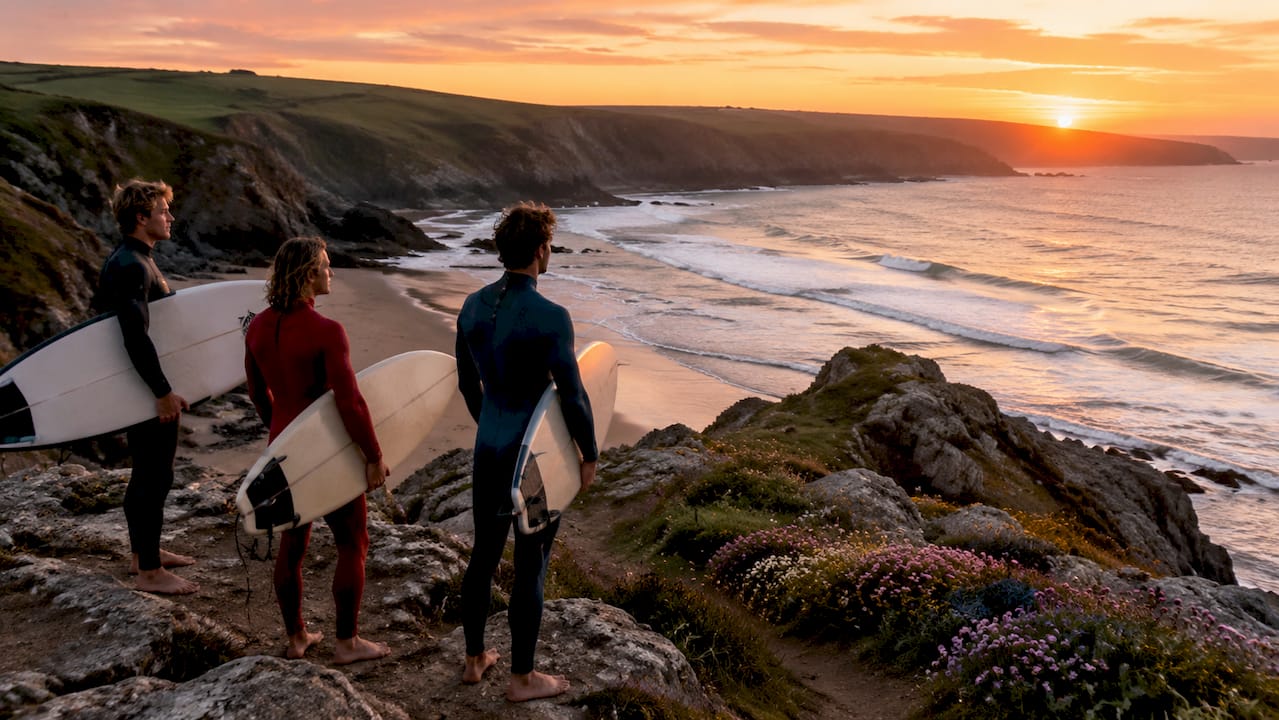
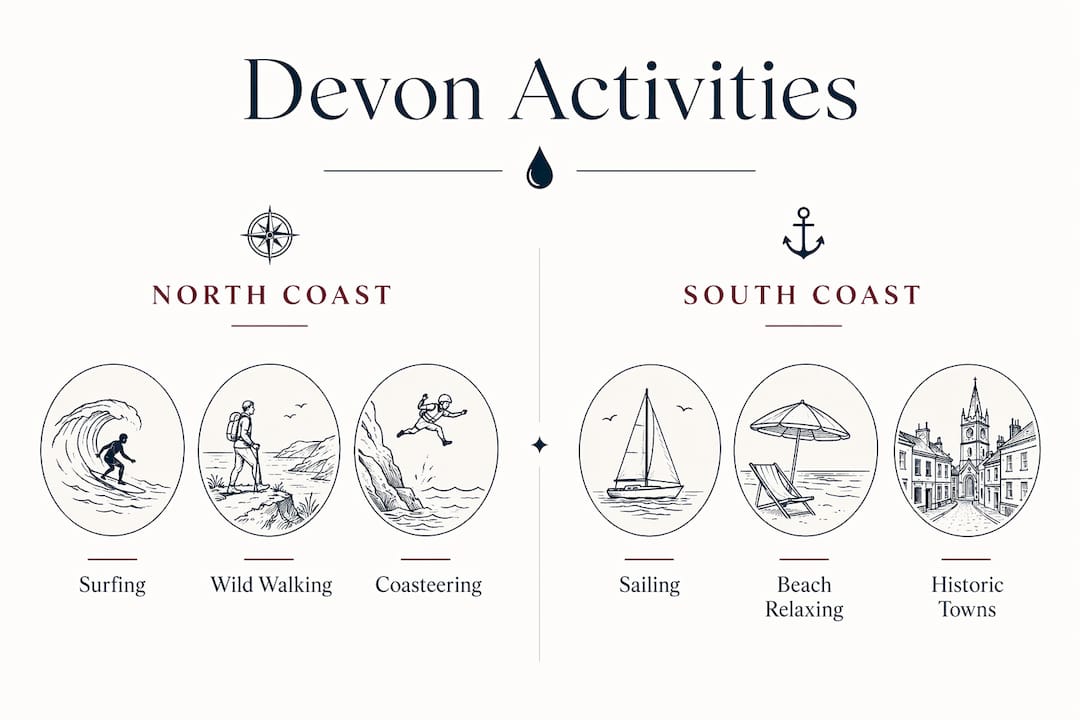
Devon is the only UK county with two distinct coastlines. The north coast faces the Atlantic, delivering powerful surf beaches and dramatic cliffs at places like Croyde, Saunton Sands, and Westward Ho!. The south coast faces the English Channel, where sheltered estuaries around Salcombe, Dartmouth, and the Kingsbridge estuary create ideal conditions for sailing and kayaking. That geographic contrast alone makes Devon worth understanding before you arrive, because the two coasts offer genuinely different experiences.
Inland, Dartmoor and Exmoor National Parks add a third dimension entirely. Granite tors, ancient Bronze Age settlements, and native Dartmoor ponies roaming open moorland sit less than an hour from the coast. Exeter, the county town, provides a cathedral, a Roman wall, and a thriving independent food and arts scene. Plymouth, the largest city, carries serious maritime history through the Mayflower Steps and the Royal Citadel. Devon rewards visitors who look beyond the postcard beaches.
What are the best outdoor activities and attractions in Devon?
Devon’s outdoor offer is broader than most visitors expect. The county has over 120 sandy beaches, ranging from exposed Atlantic breaks to quiet coves accessible only on foot. That variety means families, surfers, sailors, and walkers can all find their ideal stretch of coast without competing for the same patch of sand.
Key activities worth planning around include:
- Surfing and coasteering at Croyde Bay and Saunton Sands on the north coast, where consistent Atlantic swells make these the best surf beaches in England outside Cornwall
- Hiking on Dartmoor, where routes like the Two Moors Way cross open moorland past ancient stone circles and Bronze Age hut circles
- Sailing and kayaking from Dartmouth, Salcombe, and the Exe Estuary, all of which have established hire and tuition operations
- Wildlife watching on Exmoor, where red deer, Exmoor ponies, and peregrine falcons are regularly spotted
- Family attractions including Paignton Zoo, the National Marine Aquarium in Plymouth, and Crealy Adventure Park near Exeter
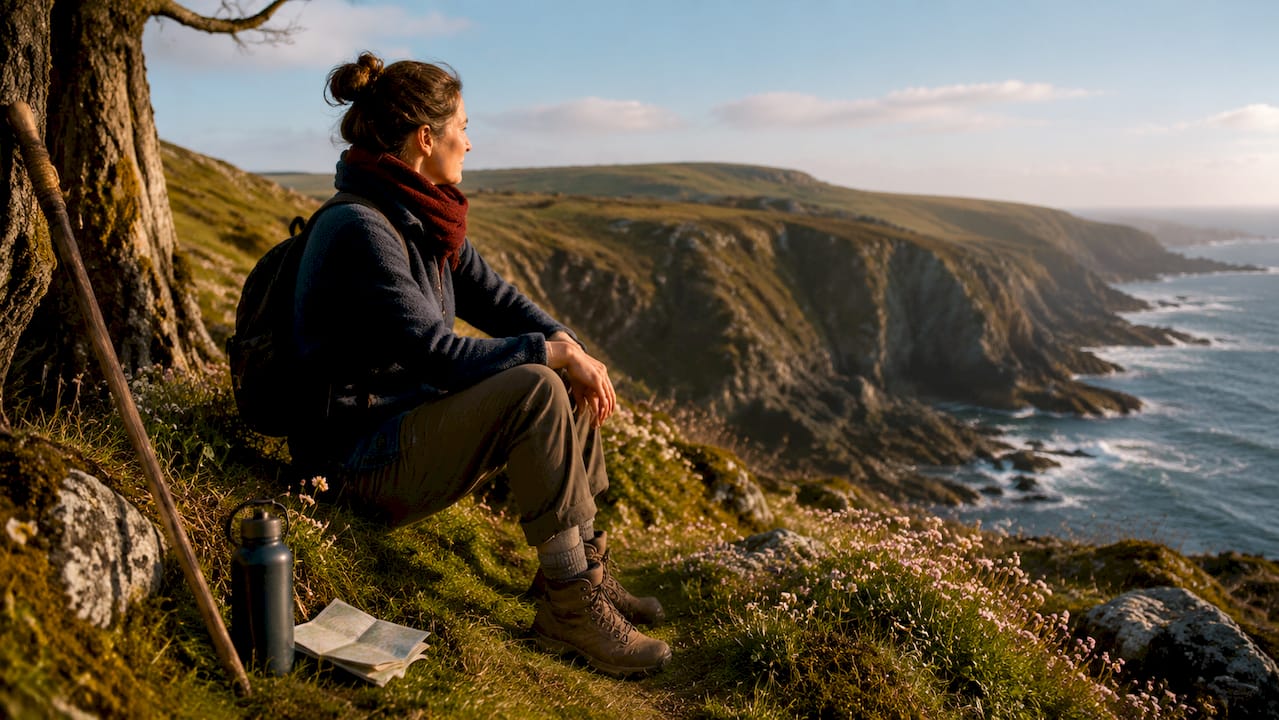
Dartmoor and Exmoor together provide some of the most accessible wild walking in southern England. You do not need specialist kit or experience to spend a day on the moor. A decent pair of boots, an OS map, and a weather check are the essentials.
Cultural attractions add depth to any itinerary. Powderham Castle, Buckfast Abbey, and Exeter Cathedral are the three most visited heritage sites in the county. Each tells a different chapter of Devon’s history, from Norman fortification to Benedictine monasticism to medieval ecclesiastical ambition.
Pro Tip: Book coasteering sessions at least two weeks ahead during July and August. Operators in Croyde and Ilfracombe fill quickly, and the best guides run small groups only.
How does Devon’s geography affect travel around the county?
Devon’s road network covers over 7,373 miles, making it the largest minor road network managed by any county council in England. That scale reflects the reality on the ground: a huge proportion of Devon’s roads are single-track lanes with grass growing down the centre. GPS journey times are routinely optimistic. A route that looks like 25 minutes on a map can take 45 minutes in practice.
Here is what to know before you drive:
- Pull into passing places early. When you see an oncoming vehicle on a single-track lane, reverse to the nearest passing place rather than waiting for the other driver. Locals expect this and will do the same.
- Allow extra time between the north and south coasts. The A39 and A361 connect the coasts, but both routes include stretches of winding road through villages. Budget 90 minutes for a north-to-south crossing rather than the 60 minutes a map suggests.
- Use Exeter as a hub. Exeter Airport serves direct routes from Edinburgh, Glasgow, and several European cities. Exeter St Davids station connects to London Paddington in around two hours. Starting your Devon trip from Exeter puts you within an hour of most of the county.
- Check the DevonBus network. Devon County Council operates DevonBus, which connects many towns and villages that would otherwise require a car. The X9 and X10 services link Exeter to Barnstaple on the north coast reliably.
Pro Tip: Download the Ordnance Survey app before you arrive and save offline maps for the areas you plan to explore. Mobile signal drops out across large parts of Dartmoor and the north coast.
Which towns and villages best capture Devon’s character?
Most visitors gravitate towards Torquay, Paignton, and Plymouth. Those are fine choices, but historic market towns like Totnes and Tavistock offer something those larger centres cannot: a genuine sense of Devon’s cultural identity, away from the summer crowds.
Totnes
Totnes sits on the River Dart and has built a reputation as one of England’s most independent-minded market towns. The high street is almost entirely independent shops, galleries, and cafés. The Norman castle gives you a clear view over the rooftops. The Tuesday and Friday markets draw local food producers from across South Devon. Totnes is also the starting point for river cruises down to Dartmouth, which is one of the best short journeys in the county.
Dartmouth and Salcombe
Both towns sit on the south coast and share a similar character: handsome Georgian and Victorian architecture, excellent seafood, and a strong sailing culture. Dartmouth has the Royal Naval College on the hill above the town and a castle guarding the estuary mouth. Salcombe is smaller, more expensive, and arguably more beautiful. The coastal path between Salcombe and Hope Cove is among the best Devon coast walks in the south of the county.
Tavistock and the western edge
Tavistock is a Stannary town, meaning it was historically one of the centres for assaying and taxing Dartmoor tin. The pannier market runs every day and sells local produce, crafts, and antiques. The town sits on the western edge of Dartmoor, making it an ideal base for moorland walking. Arts and cultural venues in Tavistock include the Tavistock Museum and a lively programme of events at the Guildhall.
| Town | Best for | Distance from Exeter |
|---|---|---|
| Totnes | Markets, arts, river cruises | 24 miles |
| Dartmouth | Heritage, sailing, seafood | 35 miles |
| Salcombe | Coastal walks, beaches | 40 miles |
| Tavistock | Dartmoor access, history | 36 miles |
| Ilfracombe | North coast, surfing base | 55 miles |
What dining and accommodation options reflect the spirit of Devon?
Devon’s food scene is built on local produce and seasonal menus in a way that feels genuinely embedded in the county rather than performed for tourists. Crab sandwiches at a harbour-side shack in Beer or Beesands cost a fraction of what you would pay in a London restaurant and taste considerably better. Farm shops like Riverford near Buckfastleigh and Darts Farm near Topsham sell produce that supplies some of the county’s best kitchens.
Dining options worth seeking out include:
- Seafood shacks and fish restaurants along the south coast, particularly in Beer, Beesands, and Brixham, where day boats land catches directly to local kitchens
- Country house dining at properties like Gidleigh Park near Chagford, which holds a Michelin star and sits within Dartmoor National Park
- Farm-to-table cafés in Totnes, Exeter’s Fore Street area, and around the Exe Estuary, where independent operators work directly with local growers
Accommodation follows a similar pattern of variety. Exeter and Plymouth have the full range of chain hotels for those who want reliability and easy transport links. The south coast villages offer boutique B&Bs and self-catering cottages, many of which book out months in advance for summer. Spa retreats and wellness-focused country hotels cluster around Dartmoor, where properties like Bovey Castle and Lewtrenchard Manor combine moorland setting with high-quality facilities.
Pro Tip: Book south coast accommodation for July and August by march at the latest. Salcombe and Dartmouth in particular sell out entirely, and last-minute options are scarce and expensive.
How should you plan a weekend itinerary around Devon?
A two-night weekend works well if you pick one part of the county and commit to it rather than trying to cover everything. Devon is large enough that attempting both coasts and Dartmoor in 48 hours produces a trip that is mostly driving.
Weekend option 1: South Devon base (Dartmouth or Totnes)
- Arrive friday afternoon, check in, and walk the Dartmouth estuary path before dinner at a harbourside restaurant
- Saturday: take the river ferry to Greenway, Agatha Christie’s former home, then walk the coastal path south towards Kingswear
- Sunday: drive to Totnes for the morning market, browse the independent shops, and take the steam railway to Buckfastleigh before heading home
Weekend option 2: North Devon base (Croyde or Braunton)
- Arrive friday evening and walk the Saunton Sands beach at low tide
- Saturday: surf lesson at Croyde in the morning, then drive to Ilfracombe for lunch and the Damien Hirst sculpture at the harbour
- Sunday: walk the South West Coast Path section between Morte Point and Bull Point for clifftop views, then stop in Barnstaple for the Pannier Market
Local events add texture to any itinerary. The Devon Day celebrations on 4 June, the Dartmouth Royal Regatta in late August, and the Exeter Festival of South West Food and Drink in april are all worth building a trip around.
| Itinerary | Base | Highlights | Best season |
|---|---|---|---|
| South Devon weekend | Dartmouth or Totnes | Greenway, river ferry, coastal path | May–September |
| North Devon weekend | Croyde or Braunton | Surfing, Ilfracombe, coast path | April–October |
| Dartmoor escape | Tavistock or Chagford | Moorland walking, country dining | Year round |
Key takeaways
Devon rewards visitors who plan with geography in mind, not just a list of attractions.
| Point | Details |
|---|---|
| Two coastlines, two characters | The north coast suits surfers and walkers; the south coast suits sailors and those seeking sheltered coves. |
| Allow extra travel time | Devon’s single-track lanes make GPS estimates unreliable; add 30–50% to journey times on rural routes. |
| Go beyond the obvious towns | Totnes, Tavistock, and Salcombe offer richer experiences than the larger resorts for most visitors. |
| Book early for summer | South coast accommodation and coasteering sessions fill months in advance for July and August. |
| Use Exeter as your entry point | Exeter Airport and Exeter St Davids station give the best transport access to the whole county. |
What I have learnt from years of exploring Devon
The most common mistake I see visitors make is treating Devon as a single destination rather than a collection of very different places. The north coast and south coast are not interchangeable. Exploring the contrasting characters of each requires separate trips, or at minimum a deliberate decision about which experience you are after on any given visit.
The second thing I would say is that the hidden gems in Devon are not hidden in any dramatic sense. They are simply the places that do not appear on the first page of a Google search. Beesands is a tiny fishing village on the south coast with a single pub and a beach that most visitors drive straight past on the way to Torcross. The Teign Gorge walk near Fingle Bridge is one of the most beautiful woodland river walks in England and rarely crowded even in summer. These places exist in plain sight. You just have to be willing to leave the main road.
On food: Devon’s quality is consistent in a way that surprises people. You do not need a restaurant recommendation to eat well here. A good rule of thumb is to follow the fishing boats. If a harbour has day boats landing catches, the nearest pub or café almost certainly serves good fish. That holds true from Brixham to Clovelly.
— Mark
Discover Devon with Thedevondrop
Thedevondrop brings together the best of what Devon has to offer, from coastal dining and spa retreats to weekend stays and outdoor experiences across the county. Whether you are planning your first visit or looking for something new after years of coming back, our curated selection covers the full range of what makes Devon worth the journey.

Explore curated Devon experiences including dining, wellness, and weekend stays chosen by people who know the county well. For a deeper look at where to go and what to do, the complete Devon leisure guide on Thedevondrop covers everything from coastal walks to country house hotels in one place.
FAQ
What is Devon County England known for?
Devon is known for its two coastlines, Dartmoor and Exmoor National Parks, and over 120 sandy beaches. The county also has a strong food culture built around local seafood and farm produce.
How big is Devon compared to other English counties?
Devon covers 6,707 km² and is England’s third largest county by area, with a population of approximately 1.25 million as of 2024.
What is the best time of year to visit Devon?
May, june, and September offer the best combination of good weather and manageable crowds. July and August are the busiest months, particularly on the south coast.
How do I get around Devon without a car?
Devon County Council operates the DevonBus network, which connects major towns and many villages. Exeter St Davids station provides rail links to Plymouth, Barnstaple, and Exmouth, covering the main corridors of the county.
What are the best places to visit in Devon beyond the main resorts?
Totnes, Tavistock, Salcombe, and Dartmouth consistently offer richer experiences than larger resorts. For coastal walks, the section of the South West Coast Path between Morte Point and Croyde on the north coast is outstanding.