Dawlish UK: top 10 attractions and things to do
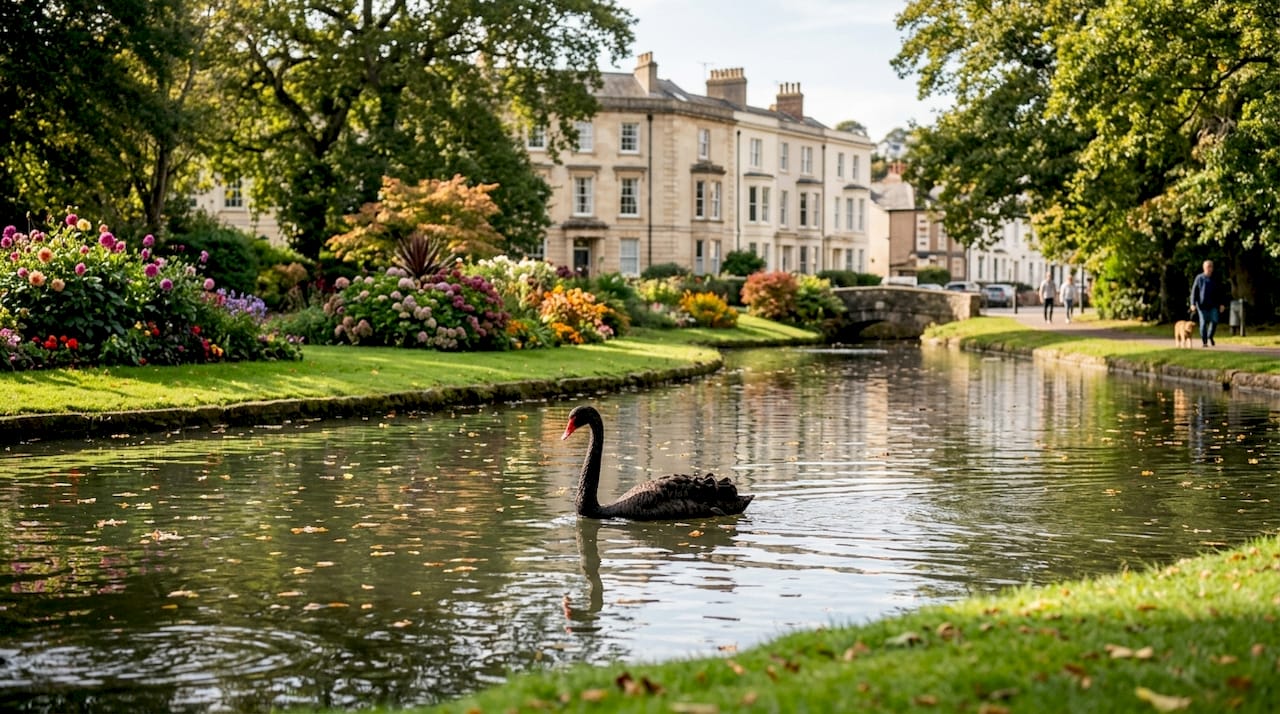
Dawlish UK is a classic Devon seaside resort defined by three things most towns can only dream of: a flock of black swans gliding through the town centre, a Victorian railway sea wall built by Isambard Kingdom Brunel in 1846, and a stretch of red-sand coast that stops visitors in their tracks. This is not a resort that shouts for attention. Dawlish Devon earns it quietly, through Regency terraces, a nature reserve hosting over 23,000 migratory birds annually, and a community that still celebrates carnival season every august. Whether you are planning your first visit or returning for the tenth time, this guide covers everything worth knowing.
1. Dawlish Warren National Nature Reserve
Dawlish Warren is the town’s single most visited natural attraction, and the numbers back that up. Dawlish Warren Beach holds a 4.3/5 rating with over 1,500 reviews, making it one of the most consistently praised beaches in South Devon. That rating reflects genuine quality: clean sand, good facilities, and a nature reserve that functions as a serious wildlife site rather than a token green space.
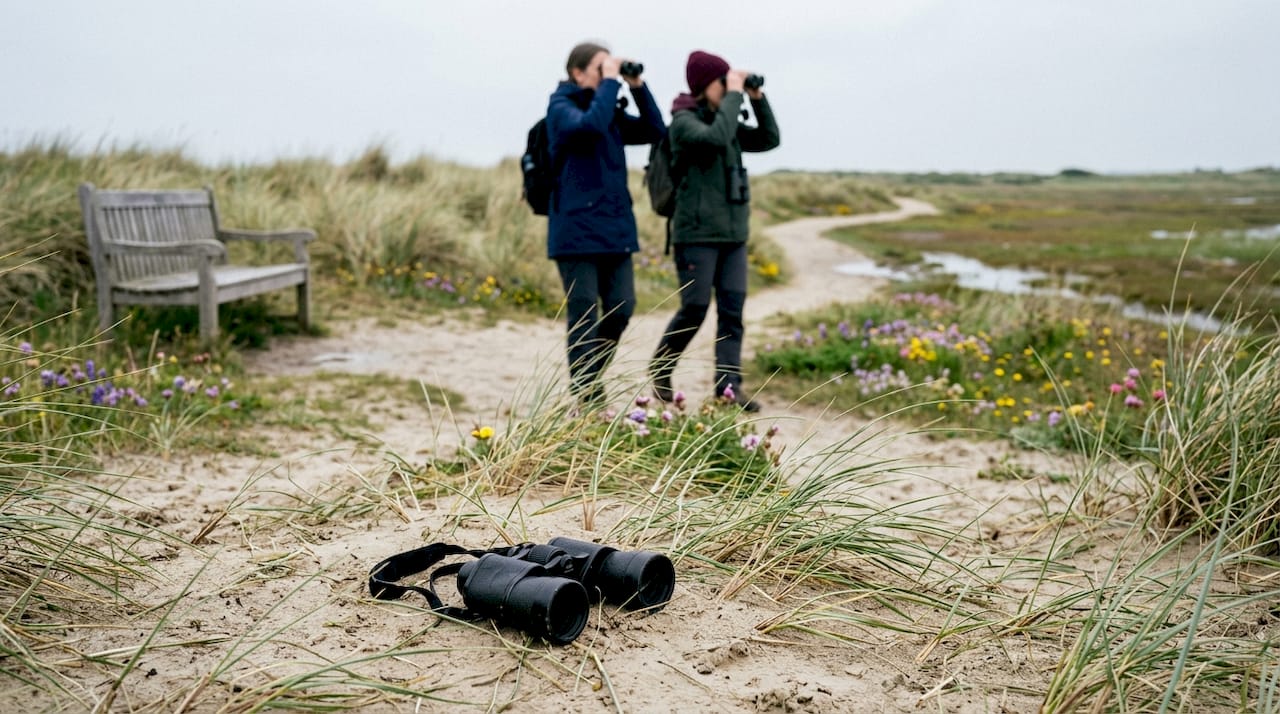
The reserve covers 500 acres of protected dune habitat and hosts over 23,000 migratory birds every year. Guided birdwatching walks run seasonally, and the visitor centre provides identification guides for beginners. Families get a full day here without trying.
2. The railway sea wall walk
Walking the railway sea wall is an experience unique in Britain. Trains pass within metres of the sea, and you walk alongside the track on a path that puts the full force of the English Channel directly in front of you. On a rough day, spray crosses the wall entirely. On a calm day, the light on the water is extraordinary.
Brunel completed the sea wall in 1846 as part of the South Devon Railway. It remains both a working transport route and the town’s most photographed viewpoint. Recent reinforcement work has strengthened the structure against storm damage, but its character is unchanged.
Pro Tip: Visit at high tide on a breezy morning for the most dramatic views. The combination of passing trains and breaking waves is genuinely unlike anything else on the South West Coast Path.
3. Dawlish Water and the black swans
The black swans have been Dawlish’s emblem since the 1950s, when they were first introduced to Dawlish Water, the brook that runs through the town centre. They live in a protected urban sanctuary and are visible year-round. Feeding them is a ritual for visitors of all ages, and the birds are remarkably calm around people.
The Lawn, the landscaped park running alongside Dawlish Water, frames the whole scene beautifully. This is the town’s social heart. Benches, mature trees, and flower beds make it a genuinely pleasant place to sit rather than simply pass through.
4. The Lawn and Regency architecture
The Lawn and the terraces surrounding it date to the early 19th century. Dawlish’s Regency-era design remains largely unchanged, which is remarkable given how many seaside towns have lost their historic character to development. The formal landscaping of Dawlish Water was a deliberate design choice, intended to make the town attractive to fashionable visitors arriving by carriage and, later, by train.
Walking the streets around The Lawn gives you a clear sense of how the town was planned. The proportions are generous, the buildings are well maintained, and the whole area has a calm, unhurried quality that feels genuinely historic rather than preserved for show.
5. Dawlish Museum
Dawlish Museum sits in the town centre and covers the full arc of local history, from the original fishing village through the Regency resort period to the railway age. The exhibits are well curated and specific to Dawlish rather than generic Devon history. You will find material on the 1810 flooding that shaped the town’s layout, the arrival of Brunel’s railway, and the social history of the resort era.
The museum is small enough to visit in an hour but detailed enough to reward proper attention. It is a good starting point before exploring the town on foot.
6. Coryton Cove
Coryton Cove sits just south of the town centre, tucked beneath the cliffs. It is quieter than Dawlish Warren and attracts a different crowd: swimmers, rock poolers, and people who want a beach without the full family amenities setup. The red sandstone cliffs frame the cove on both sides, and the water is clear on calm days.
Access is straightforward on foot from the town centre. The cove is tidal, so timing your visit around low water gives you the most beach to work with.
7. The coastal walk to Teignmouth
The 3.5-mile walk from Dawlish to Teignmouth is one of Devon’s best short coastal routes. It combines the sea wall section with cliff-top paths and drops into Teignmouth for lunch before a train back. The South West Coast Path here is well maintained and accessible to most walkers. For a fuller set of Devon coastal walks, the route options around this stretch of coast are some of the county’s finest.
The views across the Teign estuary as you approach Teignmouth are worth the effort alone. Allow two hours at a comfortable pace.
8. Funner Park and family activities
Funder Park provides a solid set of family recreational facilities within easy reach of the town centre. It includes play areas, open green space, and seasonal activities that make it a reliable option when younger visitors need to burn energy. Dawlish is genuinely well set up for families, and Funder Park is part of that picture alongside Dawlish Warren and the beach. For a broader look at family activities in Devon, the county offers plenty of options to extend a Dawlish trip.
9. Local independent shops and eateries
Dawlish has a compact but worthwhile independent retail and food scene. The town centre carries a good selection of cafés, ice cream shops, and small restaurants that reflect the local character rather than a generic seaside formula. Seafood features prominently on menus, and the quality is generally high given the proximity to working fishing ports along the coast.
The independent shops are worth browsing for local produce, gifts, and the kind of items you do not find in chain retail. The town has resisted the full homogenisation that has affected many comparable resorts.
10. Dawlish Carnival and seasonal events
Dawlish Carnival runs every august and is the town’s biggest annual event. The procession draws residents and visitors together for an evening of floats, music, and community celebration that feels genuinely local rather than staged for tourism. The carnival has run for generations and carries real civic pride with it.
Beyond carnival, the town hosts seasonal markets, birdwatching events at Dawlish Warren, and community activities throughout the year. The events calendar reflects a town that is active and engaged rather than simply waiting for summer visitors.
How to get to and around Dawlish
Getting to Dawlish by train is the most straightforward option. Trains from Exeter run every 30 minutes and reach Dawlish in 15–20 minutes on the Riviera Line from Exeter St Davids. The station sits right in the town centre, putting you within walking distance of every attraction on this list.
Key transport options:
- Train: Riviera Line services from Exeter St Davids every 30 minutes, journey time 15–20 minutes.
- Bus: Regular bus connections link Dawlish with Teignmouth, Newton Abbot, and Exeter.
- Car: The A379 provides direct road access. Parking is available at Dawlish Warren and in the town centre, though spaces fill quickly in summer.
- On foot: The town centre is compact and entirely walkable. The coastal path to Teignmouth requires no transport at all.
Pro Tip: Park at Dawlish Warren and take the train one stop into town. You get the beach and the town in one visit without moving the car.
What is the history of Dawlish that visitors should know?
Dawlish began as a small fishing settlement before the Regency period transformed it into a fashionable resort. The town centre’s early 19th-century layout remains largely intact, which is its most underrated quality. Planners designed The Lawn and Dawlish Water as a formal pleasure ground, and that intention is still readable in the streetscape today.
Key historical facts:
- 1846: Brunel’s South Devon Railway sea wall completed, connecting Dawlish to Exeter and transforming visitor access.
- Early 19th century: Regency terraces and The Lawn landscaping established the town’s resort character.
- 1950s: Black swans introduced to Dawlish Water, becoming the town’s enduring emblem.
- 2014: Severe winter storms breached the sea wall, cutting the rail line for two months and prompting major reinforcement works.
“The railway sea wall is not only functional but also the town’s quintessential viewpoint, intimately close to the sea. Walking it gives you a physical sense of how audacious Brunel’s original engineering was.”
Despite flooding damage recorded as far back as 1810, Dawlish’s town centre layout around the brook and terraces remains remarkably preserved. That continuity gives the town a depth that newer resorts simply cannot replicate.
What seasonal events and local traditions make Dawlish special?
Dawlish has a genuine events calendar that reflects its community rather than its tourism board. The highlights include:
- Dawlish Carnival (august): The town’s biggest annual celebration, with a procession, floats, and live entertainment drawing large crowds.
- Birdwatching events at Dawlish Warren: Seasonal guided walks and species identification days organised through the nature reserve.
- Seasonal markets: Local produce and craft markets appear through spring and summer in the town centre.
- Community volunteer activities: Local clubs maintain the town’s green spaces and run events throughout the year, giving Dawlish a cared-for quality that visitors notice.
The carnival in particular has a warmth to it that is hard to manufacture. It is the kind of event where the participants are as enthusiastic as the spectators.
Which nearby destinations complement a Dawlish visit?
| Destination | Distance from Dawlish | Best for |
|---|---|---|
| Dawlish Warren | 2 miles north | Beach, nature reserve, birdwatching |
| Teignmouth | 3.5 miles south (coastal walk) | Lively harbour, shops, seafood |
| Exeter | 13 miles north | History, culture, city amenities |
| Torquay | 10 miles south | Larger resort, marina, nightlife |
Teignmouth is the most natural pairing with Dawlish. The coastal walk between them is one of the best short walks in Devon, and Teignmouth’s harbour adds a livelier contrast to Dawlish’s quieter character. The train connects them in under five minutes if you prefer not to walk back.
Exeter works well as a base for visitors who want a city hotel with easy day-trip access to Dawlish. The 15–20 minute train journey makes it entirely practical. For a broader Devon travel itinerary, combining Dawlish with Exeter and Teignmouth gives you a genuinely varied few days on the South Devon coast.
Key takeaways
Dawlish is the most authentically preserved Regency seaside resort on the South Devon coast, combining rare wildlife, Brunel’s engineering heritage, and a compact town that rewards slow exploration.
| Point | Details |
|---|---|
| Arrive by train | The Riviera Line from Exeter takes 15–20 minutes and drops you in the town centre. |
| Start at the sea wall | The Brunel sea wall walk is the defining Dawlish experience and costs nothing. |
| Visit Dawlish Warren early | The nature reserve and beach get busy by mid-morning in summer; arrive before 10AM. |
| Plan around the carnival | Dawlish Carnival in august is the best time to experience the town’s community character. |
| Combine with Teignmouth | The 3.5-mile coastal walk to Teignmouth is one of Devon’s finest short routes. |
Why Dawlish stays with you long after you leave
I have visited a lot of Devon’s seaside towns over the years, and Dawlish is the one that consistently surprises people who expect it to be ordinary. The black swans are the obvious talking point, but what actually gets visitors is the sea wall. Standing on that path with a train passing at shoulder height and the sea breaking two metres away is a genuinely strange and thrilling experience. There is nothing else like it in Britain.
What I think most visitors miss is the architecture. People come for the beach and the swans, walk past the Regency terraces without really seeing them, and leave without understanding how unusual it is to find a town centre this intact. The Lawn is not just a park. It is a designed landscape from the 1820s that has survived largely unchanged. That is extraordinary.
The best time to visit is a weekday in may or september. The weather is reliable enough, the crowds are manageable, and the town feels like itself rather than a summer set piece. Avoid the car if you can. The train from Exeter puts you in the right frame of mind before you even arrive.
Dawlish does not try to be anything other than what it is. That restraint is increasingly rare, and it is exactly why the town is worth your time.
— Mark
Dawlish and Devon: find your next local experience
Dawlish is a brilliant starting point for exploring South Devon’s coast, but the county has a great deal more to offer within easy reach.

Thedevondrop brings together the best of Devon’s dining, spa breaks, coastal activities, and weekend stays in one place. Whether you are looking for a seafood lunch in Teignmouth, a spa afternoon near Exeter, or a guided coastal walk along the South West Coast Path, the Devon Drop experiences page is the place to start. We cover the full stretch of Devon, from the Jurassic Coast to Dartmoor, with local knowledge that goes well beyond the standard tourist trail. If Dawlish has given you a taste for authentic Devon, there is plenty more waiting.
FAQ
What is Dawlish best known for?
Dawlish is best known for its black swans on Dawlish Water, Brunel’s 1846 railway sea wall, and Dawlish Warren National Nature Reserve. The town is one of Devon’s most intact Regency seaside resorts.
How do I get to Dawlish from Exeter?
Trains on the Riviera Line from Exeter St Davids run every 30 minutes and reach Dawlish in 15–20 minutes. The station is in the town centre, within walking distance of all main attractions.
Is Dawlish Warren good for families?
Dawlish Warren holds a 4.3/5 rating with over 1,500 reviews and offers a wide beach, nature reserve, and visitor facilities. It is one of South Devon’s most consistently recommended family destinations.
When is the best time to visit Dawlish?
May and september offer the best combination of good weather and manageable visitor numbers. Visiting in august gives you the Dawlish Carnival but expect the town and beach to be at their busiest.
How long is the coastal walk from Dawlish to Teignmouth?
The South West Coast Path between Dawlish and Teignmouth is 3.5 miles and takes around two hours at a comfortable pace. The route combines the sea wall section with cliff-top paths and finishes at Teignmouth harbour.