Croyde Bay: the complete visitor guide for 2026
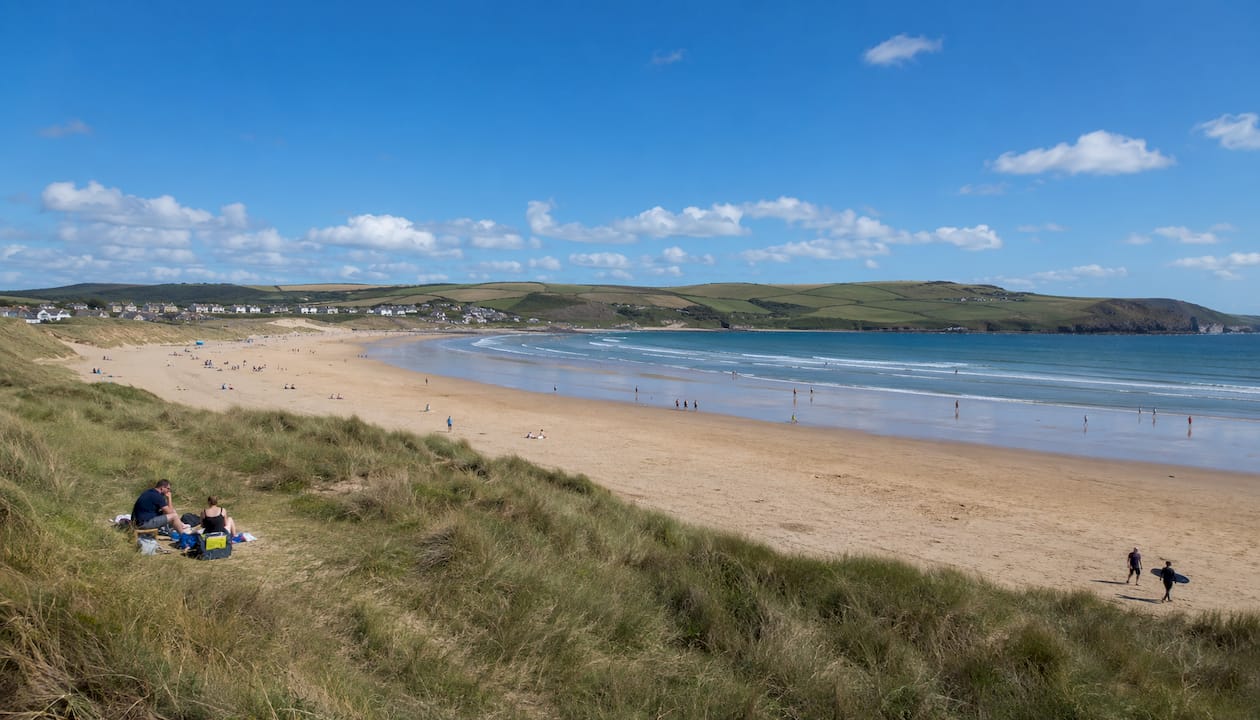
Croyde Bay sits on the North Devon coast, roughly five miles from Braunton, and it earns its reputation every single time. A sweeping arc of golden sand, backed by dunes and flanked by headlands, it draws surfers chasing Atlantic swells, families after a proper beach day, and anyone who simply wants a stretch of coastline that still feels genuinely wild. Here is what makes it worth the drive:
- Location: North Devon, between Saunton Sands and Baggy Point on the Croyde peninsula
- Beach: Fine, golden sand with a firm shoreline at low tide
- Surfing: One of England’s premier surf beaches, sitting within the North Devon World Surfing Reserve
- Families: Seasonal lifeguards, cafés, toilets, and sheltered spots behind the dunes
- Village: Croyde village is a five-minute walk from the beach, with pubs, surf shops, and a character all its own
- Accessibility: Changing Places facility, beach wheelchairs, and rollators available on site
- Best times: Late spring and early autumn for quieter conditions; summer for the full surf-and-social atmosphere
Table of Contents
- What is Croyde Bay beach actually like?
- Why Croyde Bay is one of England’s best surf beaches
- What families will find at Croyde Bay
- Events and community life in Croyde village
- Planning your visit: accommodation, food, transport, and parking
- Accessibility at Croyde Bay
- Key takeaways
What is Croyde Bay beach actually like?
The beach itself is roughly 700 metres wide, with medium-grained golden sand that firms up nicely at low tide. Dunes back the beach to the north, and the cliffs of Baggy Point frame the southern end. At high tide the beach narrows considerably, so timing your visit around the tides makes a real difference to how much space you have.
The whole area sits within the North Devon Area of Outstanding Natural Beauty and is designated a Site of Special Scientific Interest, which means the landscape is protected and development is tightly controlled. That is partly why it still looks the way it does.
Key facts for planning your visit:
- Dog restrictions: Dogs are banned from the beach flat between 1 May and 30 September; they are permitted on the South West Coast Path and in the dunes during this period. Full access returns from 1 October. Dogs must be kept on leads in the dunes year-round.
- Landowner: The beach is private property managed by John Fowler Holiday Parks, which governs dog rules and parking charges in coordination with local access groups.
- Facilities: Seasonal toilets, beach cafés, and a car park are all on site. The café near the beach serves hot food, ice cream, and the kind of chips you actually want after a surf.
- Atmosphere: Busy in July and August, with a mix of surfers, young families, and day-trippers. Shoulder season brings a noticeably more relaxed crowd.
- Tides: The beach faces west-northwest, so afternoon light is excellent and Atlantic swells arrive with little obstruction.
The protected status does come with trade-offs. Parking is limited, facilities are seasonal, and the beach can feel genuinely crowded on a sunny August weekend. Go in May or September and you get the same scenery with half the people.
Why Croyde Bay is one of England’s best surf beaches
North Devon became the first place in the UK to be designated a World Surfing Reserve, covering a stretch of coastline that includes Croyde, Saunton, Woolacombe, and Lynmouth. Croyde sits at the heart of this reserve and consistently produces the most powerful waves on the stretch.
The bay faces directly into Atlantic swells, generating steep, fast-breaking waves that reward intermediate and experienced surfers. Beginners can learn here, but the conditions are more demanding than at Saunton Sands just to the south. Rip currents are a genuine hazard, and the surf can change character quickly with the tide.
Watersports available at Croyde Bay:
- Surfing: The main draw. Works best on a mid to high tide with a west or northwest swell.
- Bodyboarding: Popular across all ability levels, particularly on the inside break.
- Kayaking and paddleboarding: Possible in calmer conditions, though the open bay is exposed in larger swells.
- Coasteering: Available with guided providers along the headlands either side of the bay.
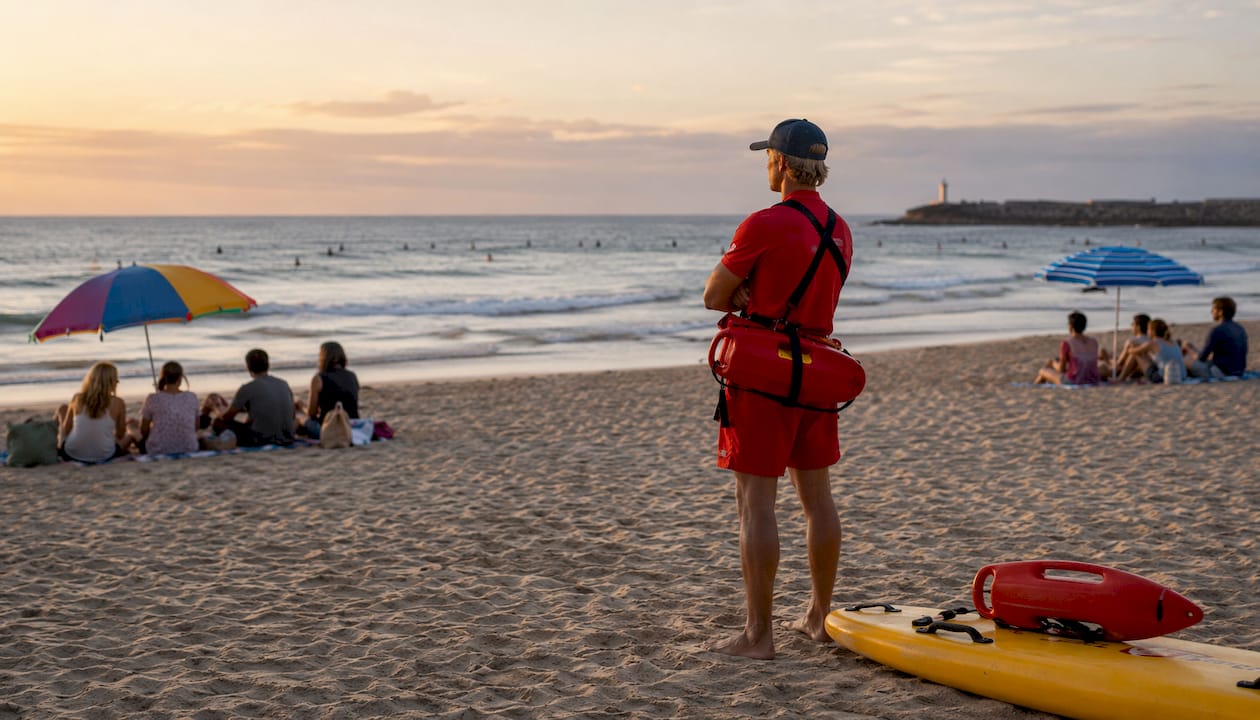
Lifeguards patrol the beach seasonally, and they enforce clearly marked zones that separate surfers from bathers. Stay within the flagged swimming area if you are not surfing. Outside those flags, the water belongs to boards.
Pro Tip: Check the tide tables and swell forecast before you go. Croyde works best on a rising mid-tide with a 3–5 ft swell. At low tide, the beach is wide and the waves are often weak and crumbly. At high tide, the water reaches the dunes and the surf can become unpredictable. Apps like Magic Seaweed or Surf-Forecast give you the detail you need.
For a deeper look at surf spots across the county, our Devon surfing guide covers conditions, schools, and the best breaks from Croyde to Bantham.
What families will find at Croyde Bay
Croyde Bay works well for families, though it rewards a bit of planning. The beach is wide enough at low tide to give children plenty of room, and the dunes behind offer natural windbreaks and space for games. Lifeguards are present through the summer months, which takes some of the edge off for parents watching younger swimmers.
Family-friendly highlights:
- Safe bathing zones: Lifeguard-patrolled swimming areas are clearly flagged and enforced during peak season.
- Cafés: The beach café serves food and drinks throughout the season. There are further options in the village a short walk away.
- Toilets: Seasonal facilities are available near the car park.
- Rockpooling: The rocks around Baggy Point, accessible at low tide, are excellent for wildlife spotting. Crabs, anemones, and the occasional blenny are reliably present.
- Coastal walks: The South West Coast Path runs along the headland above the beach. The loop around Baggy Point takes around an hour and is manageable with older children.
- Surf lessons: Several accredited surf schools operate from the beach and cater specifically to children and beginners. Lessons are a good way to introduce kids to the water safely given the strength of the surf.
The dog ban between May and September is worth noting if you are travelling with a pet. You can still walk the dunes and the coast path with a dog on a lead, but the beach flat itself is off-limits during those months. Saunton Sands, a few miles south, allows dogs year-round and is worth considering as an alternative or addition to your trip.
Events and community life in Croyde village
Croyde village has shifted considerably over the past two decades. What was once a quiet North Devon settlement has become a year-round surf hub, though it has held onto enough of its original character to avoid feeling like a theme park version of itself. Thatched cottages sit alongside surf shops. The pub fills up with locals and visitors in roughly equal measure.
The community calendar reflects that blend:
- Gold Coast OceanFest: Held annually at Croyde Bay, this is one of the UK’s biggest surf and music festivals. It combines surf competitions, live music, and beach culture across a weekend in June. The atmosphere is genuinely good.
- Surf competitions: The beach hosts regular amateur and professional contests through the summer, often organised through Croyde Surf Club and affiliated bodies.
- Local markets: Seasonal markets in the village sell local produce, crafts, and food. Worth a browse if you are staying for more than a day.
- Year-round activity: Unlike many Devon beach villages that shut down in October, Croyde stays active through autumn and winter, driven by surfers who follow the swells rather than the school holidays.
The sense of community here is genuine. Surfing culture and local tradition coexist without much friction, and the village has a welcoming quality that visitors consistently notice. Spring and autumn visits, away from the peak summer rush, give you a better feel for that everyday character.
For broader ideas on what to do across the county, the Comprehensive travel guide for European destinations covers events and activities well beyond the beach.
Planning your visit: accommodation, food, transport, and parking
Getting the logistics right makes a real difference at Croyde, particularly in summer when the village and car parks fill quickly.
Accommodation
- Croyde Bay campsite: The most popular budget option, with easy beach access and a lively atmosphere. Camping fees start at approximately £20 per night, and it suits surfers and families well.
- Holiday parks: Ruda Holiday Park sits adjacent to the beach and offers static caravans, lodges, and touring pitches. It is the largest accommodation provider in the immediate area.
- Cottages and holiday lets: The village and surrounding lanes have a good supply of self-catering cottages, many sleeping 4–8 people. Book well ahead for July and August.
- B&Bs and guesthouses: A handful of smaller options in the village and nearby Georgeham offer a more personal stay.
Food and drink
The village punches above its size for food. The Thatch pub is the social heart of Croyde and serves reliable food alongside a good selection of local ales. Billy Budd’s is a long-standing local favourite for fish and chips. Several cafés in the village and on the beach road cover breakfasts, lunches, and the post-surf coffee that everyone needs.

Getting there
Croyde is not on a rail line. The nearest station is Barnstaple, roughly eight miles away, from which a bus service runs to the village in summer. Most visitors drive. The A361 from the M5 at Junction 27 is the main route; allow extra time in peak season as the single-track lanes approaching the village cause delays.
Parking
Parking is the single biggest frustration at Croyde. The Burrows car park, opposite Ruda Holiday Resort, is the main option. Several other car parks operate nearby, some privately managed with their own payment systems. Penalty Charge Notices are issued for errors, and the rules between private and council-managed spaces differ. Arrive early, read the signage carefully, and pay the correct amount for the correct car park. In July and August, arriving after 10 AM on a sunny day means you may not find a space at all.
Accessibility at Croyde Bay
Croyde Bay has invested meaningfully in accessibility, and the provision here is better than at many comparable beaches. The Changing Places facility includes a hoist, changing table, shower, handrails, and a sink. It is a significant step up from a standard accessible toilet and makes a genuine difference for visitors with complex needs.
Beach mobility equipment available:
- Hippocampe beach wheelchairs: Designed for sand and water, these can be borrowed to allow wheelchair users to access the beach and shoreline directly.
- Sandcruiser beach wheelchairs: A larger, more stable option for users who need additional support.
- Big-wheeled rollators: Fitted with brakes, seats, and baskets, these are designed specifically for sandy terrain and assist those who can walk but need support on uneven ground.
The slipway and car park surfaces are firm and navigable. The sand itself is the main challenge, as it is soft in places above the tide line, but the equipment available addresses this directly. The beach is privately managed by John Fowler Holiday Parks, which works with local access groups to maintain and develop these facilities.
Pro Tip: Contact the resort reception or the local access provider in advance to confirm wheelchair and rollator availability for your visit date. Demand is high in summer and pre-booking avoids disappointment on the day.
For visitors with mobility considerations, the South West Coast Path section above Baggy Point offers firm, well-maintained paths with exceptional views that do not require beach access at all.
Key takeaways
Croyde Bay rewards visitors who plan ahead: the surf, scenery, and community atmosphere are genuinely exceptional, but parking, crowds, and seasonal rules catch out those who arrive unprepared.
| Point | Details |
|---|---|
| World Surfing Reserve | Croyde sits within the North Devon World Surfing Reserve, covering a stretch of coastline. |
| Dog restrictions | Dogs are banned from the beach flat between 1 May and 30 September; dunes and coast path remain accessible on a lead. |
| Accessibility provision | A Changing Places facility, Hippocampe and Sandcruiser wheelchairs, and rollators are available on site. |
| Parking strategy | Arrive early, read signage carefully, and distinguish between private and council car parks to avoid Penalty Charge Notices. |
| Best timing | Spring and autumn offer the same scenery and surf with significantly smaller crowds than peak summer. |