Devon surfing: the complete guide to waves and spots
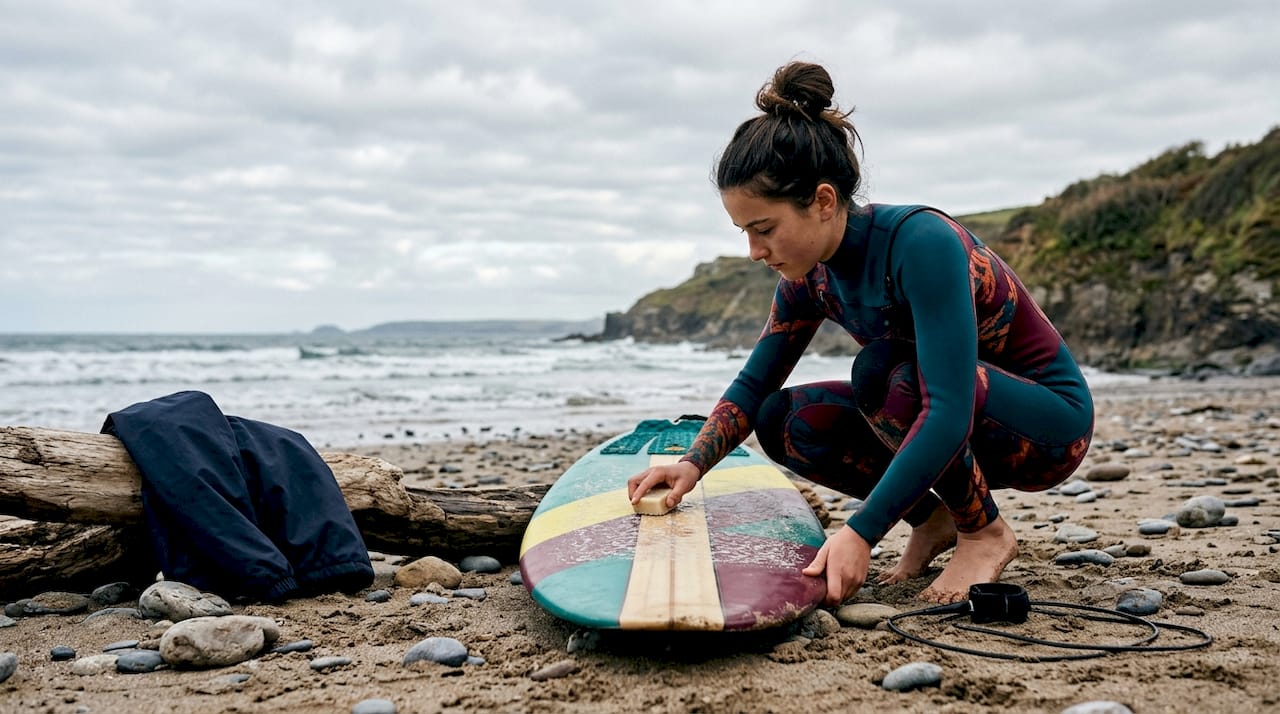
Devon surfing is defined by its Atlantic-facing coastline, which delivers some of the most consistent and varied surf breaks in the United Kingdom. North Devon holds the UK’s 12th World Surfing Reserve designation, covering 30 km of coastline that includes Croyde, Saunton, Woolacombe, and Lynmouth. That reserve status is not ceremonial. It reflects a coastline that supports around 1,500 jobs and contributes over £50 million to the local economy each year. Whether you are paddling out for the first time or chasing hollow barrels, Devon offers a surf experience that few places in England can match.
What are the best Devon surf spots for different skill levels?
Devon’s surf spots span a wide range of ability levels, and choosing the right beach makes the difference between a great session and a frustrating one.
Croyde is the headline act. The beach produces fast, hollow waves at low tide, making it the go-to spot for experienced surfers seeking powerful, punchy breaks. At higher tides, the waves soften and become more forgiving, which opens the beach to intermediate surfers. Croyde is popular, so expect crowds on good days, particularly in summer.
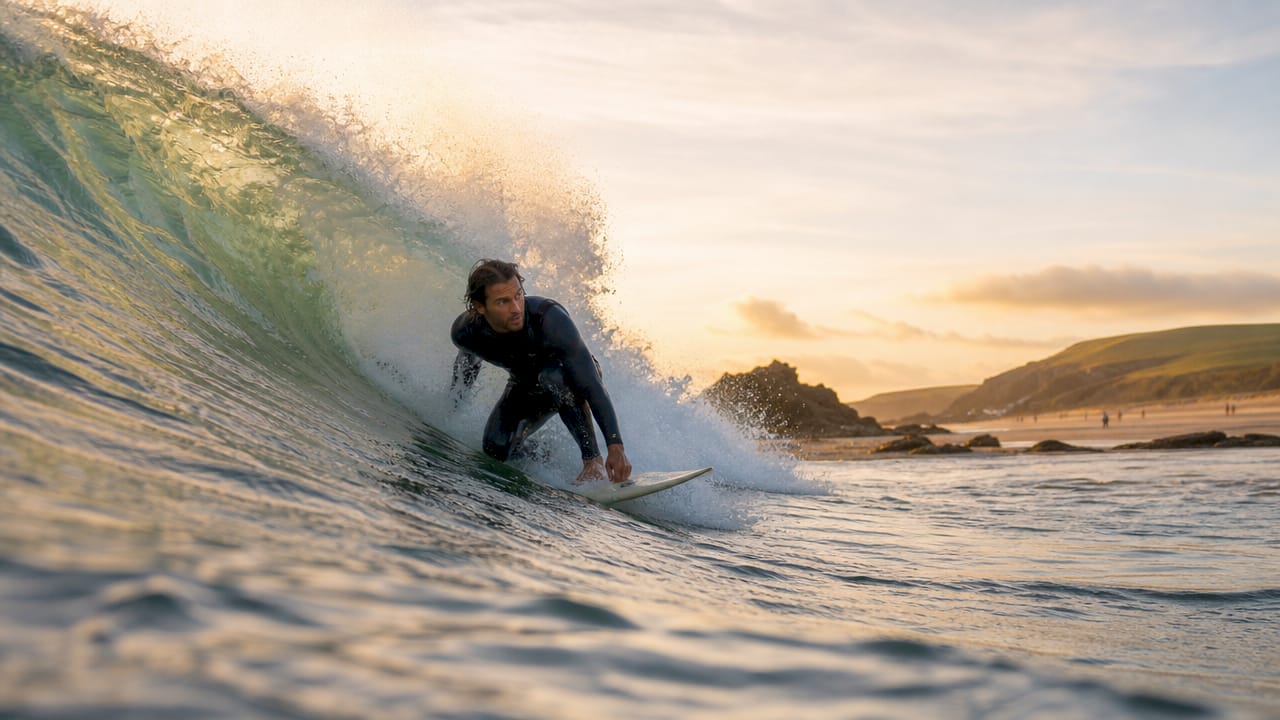
Saunton Sands stretches for nearly five kilometres and is a favourite among longboarders. The waves here are long and rolling rather than steep and fast. That makes Saunton one of the best waves in Devon for surfers who want to work on their cross-stepping and nose-riding. The beach break shifts with sandbanks, so conditions vary along its length.
Woolacombe sits just north of Croyde and offers a mix of peaks across a wide bay. It handles a range of swell sizes and is generally more accessible for intermediate surfers. The southern end near Putsborough is sheltered and produces gentler waves, making it the preferred choice for beginners and families.
Putsborough deserves its own mention. When exposed breaks like Croyde are blown out by onshore winds, Putsborough remains sheltered and rideable. Novices should keep this spot in mind as a reliable fallback.
Bantham on the South Devon coast is a different proposition entirely. The wave quality is high and the setting is beautiful, but the beach is more remote and the currents can be strong. It suits confident intermediate and advanced surfers who want to escape the North Devon crowds.
- Croyde: Fast, hollow, low-tide barrels. Best for experienced surfers.
- Saunton: Long, rolling waves. Ideal for longboarders and intermediates.
- Woolacombe: Varied peaks across a wide bay. Good for intermediates.
- Putsborough: Sheltered and gentle. The top choice for beginners and families.
- Bantham: High-quality waves on the South Devon coast. Best for confident surfers.
Pro Tip: Check the tide before you choose your beach. Croyde at low tide and Croyde at high tide are effectively two different surf spots.
When is the best time to surf in Devon?
Autumn is the prime season for surfing in Devon. September through november brings consistent Atlantic swells, quieter beaches, and water temperatures that are still warm enough from summer. That combination is hard to beat. Experienced surfers often rate autumn as the most rewarding time of year on this coastline.
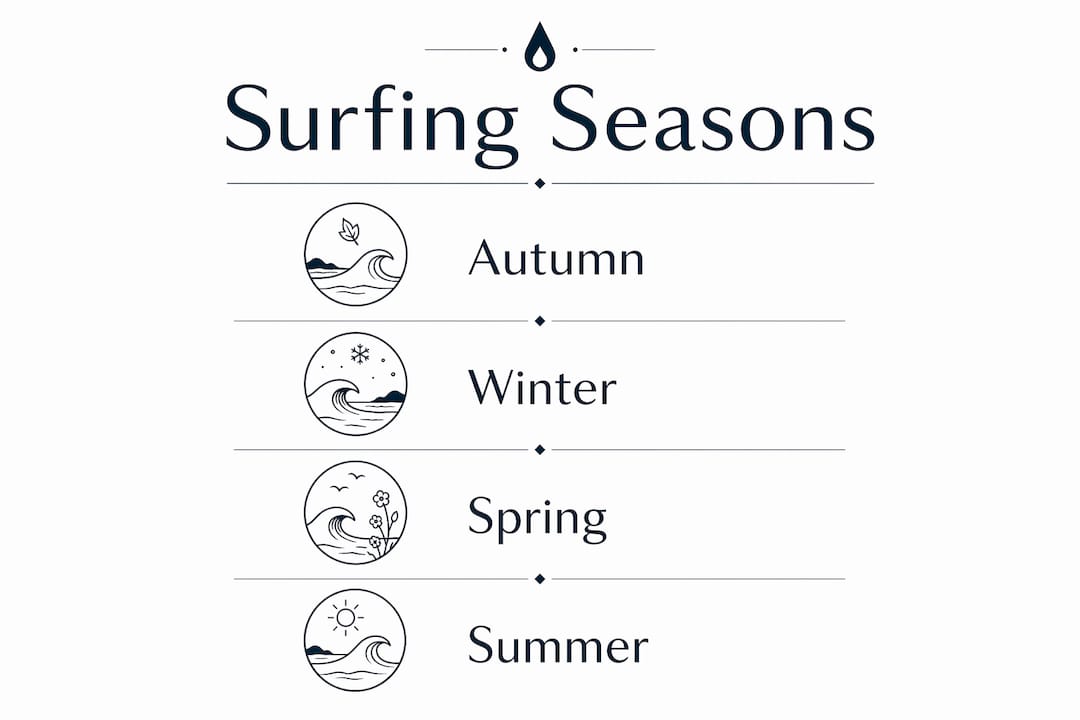
Winter delivers the most powerful swells, but those conditions are strictly for experienced surfers. Water temperatures drop significantly, requiring a quality 5mm wetsuit with boots, gloves, and a hood. The reward is uncrowded lineups and waves that can rival anything the Atlantic produces.
Spring is a transitional period. Swells become less consistent but the crowds are thin and the days grow longer. Beginners find spring conditions manageable, particularly at sheltered spots like Putsborough and the southern end of Woolacombe.
Summer brings the most visitors and the smallest waves. Swell size drops across june, july, and august, but surf schools operate at full capacity and the water is at its warmest. For families and first-timers, summer is the most practical time to get in the water.
Key seasonal conditions at a glance
| Season | Swell consistency | Crowd level | Best for |
|---|---|---|---|
| Autumn | High | Low to moderate | Experienced surfers |
| Winter | Very high | Very low | Advanced surfers only |
| Spring | Moderate | Low | Intermediates and beginners |
| Summer | Low | High | Beginners and families |
Wind direction matters as much as swell size. Offshore winds create clean waves by smoothing the face of the wave as it breaks. Onshore winds blow into the wave and make conditions messy and difficult to read. The prevailing south-westerly wind in Devon is often onshore at Croyde, which is why checking a local surf report before you drive is non-negotiable.
Pro Tip: An easterly wind is gold in North Devon. It blows offshore at most of the main breaks and can turn an average swell into an exceptional session.
How to prepare for surfing in Devon: equipment, lessons, and safety
The right wetsuit is the single most important piece of kit for surfing in Devon. Water temperatures range from around 8°C in winter to 18°C in late summer. A 3/2mm wetsuit covers spring through early autumn. A 5/4mm or 5mm suit with accessories is necessary from november through march.
Board choice depends on your level. Beginners should use a soft-top foam board, which is more stable and far safer in crowded lineups. Intermediate surfers typically move to a mid-length or a performance shortboard once they can consistently catch and ride unbroken waves.
Surf schools in North Devon operate mainly during the summer months, running group lessons with fixed session times. They provide all equipment, including wetsuits and boards, and cater to all ages and fitness levels. Booking in advance is advisable for july and august, when demand is highest. Devon surfing lessons are widely available at Croyde, Saunton, and Woolacombe, with most schools offering two-hour beginner sessions.
Safety on Devon’s beaches
RNLI lifeguards patrol the main beaches from Easter through to october. Outside those months, many beaches are unpatrolled. Rip currents are a serious hazard in North Devon, particularly on a dropping tide. Observe the water for 15–20 minutes before entering to identify rip channels, flow patterns, and where other surfers are positioned.
“If in doubt, don’t go out. The sea will be there tomorrow, and local knowledge is worth more than any surf report.” This is the guiding principle shared by surf instructors across North Devon, and it applies to every level of surfer.
Surf etiquette is not optional at busy breaks. The surfer closest to the peak of the wave has priority. Dropping in on someone else’s wave is dangerous and disrespectful. At Croyde in particular, respecting local priority rules keeps the lineup safe and enjoyable for everyone.
What makes Devon’s surfing culture and community unique?
North Devon’s World Surfing Reserve designation is community-led. Local surfers, businesses, and conservation groups work together to protect the coastline, maintain water quality, and preserve the surf breaks for future generations. That collective ownership gives Devon’s surf culture a depth that goes beyond simply riding waves.
Surfing shapes daily life in towns like Croyde and Woolacombe in ways that outsiders often underestimate. Local surfers organise their working hours around tides. Cafés open early to catch the pre-dawn crowd. Surf shops double as community hubs where conditions are discussed and local knowledge is freely shared. The lifestyle is genuinely woven into the fabric of the community.
The economic contribution is substantial. The surf industry in North Devon supports livelihoods across surf schools, board shapers, accommodation providers, and food businesses. That £50 million annual contribution is not abstract. It is visible in the quality of facilities, the investment in beach infrastructure, and the number of businesses that exist specifically because surfers keep coming back.
“The reserve is not just a badge. It represents a commitment by the local community to protect what makes this coastline worth surfing.” This sentiment, shared widely among North Devon’s surf community, captures why the reserve designation matters beyond the marketing value.
Ethical surfing practices are taken seriously here. That means not surfing near swimmers, not leaving litter, and supporting local businesses rather than large chains. Thedevondrop covers the full range of Devon’s coastal lifestyle, and the surf community’s values sit at the heart of what makes this county worth visiting.
Key takeaways
Devon surfing rewards preparation: knowing your spot, reading the tide, and choosing the right season separates a great session from a wasted drive.
| Point | Details |
|---|---|
| North Devon’s reserve status | The coastline holds World Surfing Reserve status, supporting 1,500 jobs and £50 million in annual economic value. |
| Match spot to ability | Croyde suits experienced surfers at low tide; Putsborough and Saunton are the safest choices for beginners. |
| Autumn is the best season | September to november delivers consistent swells, quieter beaches, and warm enough water for most surfers. |
| Wind direction is critical | Offshore winds produce clean waves; onshore winds blow out breaks and make conditions difficult for all levels. |
| Safety before entry | Observe the water for 15–20 minutes before paddling out to identify rip currents and safe entry points. |
Why local knowledge still beats any surf app
I have watched people drive two hours to Croyde, take one look at the blown-out, onshore mess, and turn straight back around. Every time, the same thing went wrong. They checked the swell height and ignored the wind. A two-metre swell with a strong south-westerly onshore wind at Croyde is not a surf day. It is a washing machine.
The lesson I keep coming back to is this: Devon’s surf is not difficult to read once you know what to look for, but it punishes people who rely solely on automated reports. Tide tables, wind direction, and a five-minute conversation with someone who surfed that morning will tell you more than any app. Local surf shops in Croyde and Woolacombe are genuinely useful for this. They know which sandbanks are working and which spots are firing on a given day.
For newcomers, my honest advice is to book a lesson before you hire a board independently. Not because the waves are uniquely dangerous, but because two hours with a qualified instructor at a Devon surfing school will teach you more about reading conditions than a week of solo trial and error. The best Devon coastal spots are worth doing properly.
Autumn is when I think Devon surfing shows its best face. The crowds thin out, the swells become more consistent, and there is a quality to the light on the water in october that is genuinely hard to describe. If you can only visit once, make it september or october.
— Mark
Planning your Devon surfing trip with Thedevondrop
Devon’s coastline offers far more than surf. After a morning session at Croyde or Woolacombe, the county rewards you with outstanding food, walking, and coastal culture.

Thedevondrop covers Devon’s beaches, villages, restaurants, and outdoor activities in depth, giving you everything you need to plan a trip that goes beyond the surf. Whether you are looking for a weekend itinerary built around the tides or ideas for what to do when the waves are flat, the Devon activities guide has you covered. For those planning a longer stay, the Devon Drop experiences page features a range of dining, spa, and weekend stay options that pair perfectly with a surf trip along the North Devon coast.
FAQ
What is the best surf spot in Devon for beginners?
Putsborough and the southern end of Woolacombe are the best choices for beginners. Both offer sheltered, gentle waves and are suitable for families and first-timers.
When is the best time to surf in Devon?
Autumn, from september through november, is the best season. It delivers consistent Atlantic swells, quieter beaches, and water temperatures that remain manageable without heavy winter kit.
Do Devon surf schools provide equipment?
Yes. Surf schools in North Devon provide wetsuits and boards as part of their lesson packages. Most operate primarily during summer and require advance booking in july and august.
Is Devon surfing safe for children?
Family surfing in Devon is well catered for at beaches like Putsborough and Woolacombe, where RNLI lifeguards patrol from Easter to october. Booking a lesson through a qualified surf school is the safest way to introduce children to surfing.
What wetsuit do I need for surfing in Devon?
A 3/2mm wetsuit covers late spring through early autumn. For winter surfing in Devon, a 5mm suit with boots, gloves, and a hood is necessary due to water temperatures that can drop to around 8°C.