Plymouth Devon: the essential visitor guide for 2026
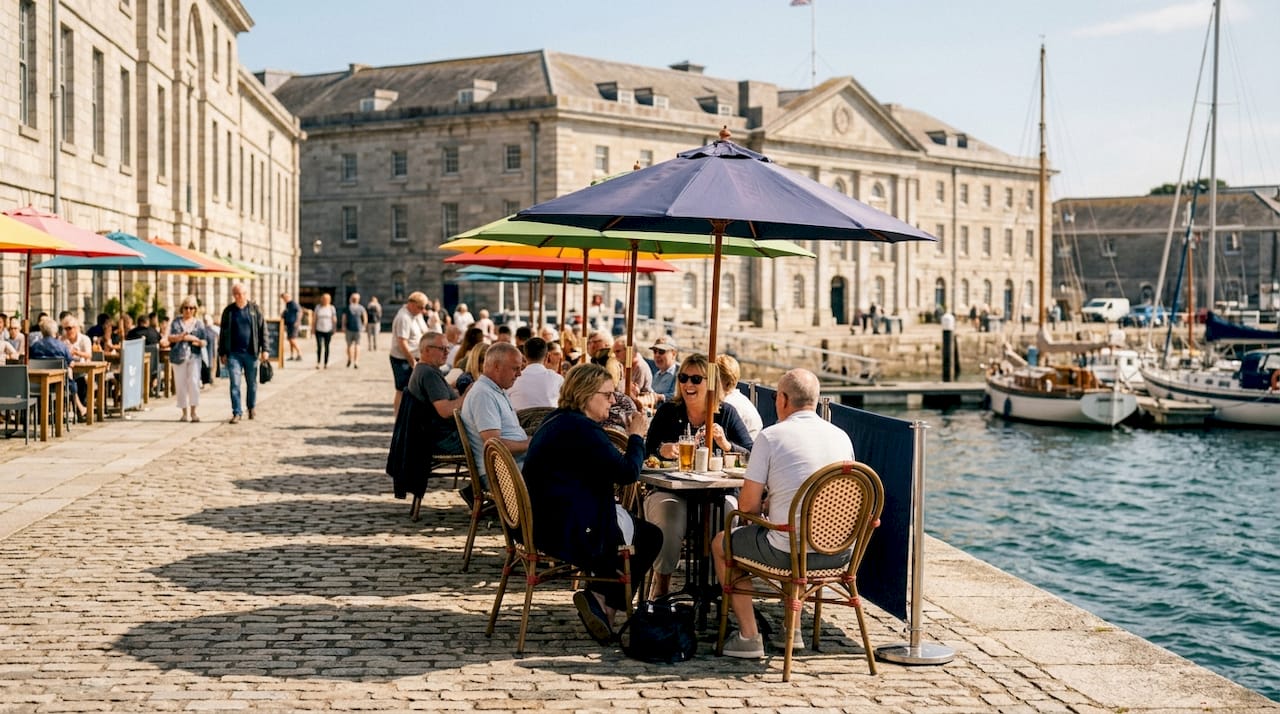
Plymouth, Devon, is defined by its identity as Britain’s Ocean City, a place where naval history, world-class museums, and a working waterfront combine in ways few British cities can match. The National Marine Aquarium houses 4,000 aquatic animals and sits at the heart of a city that also holds HMNB Devonport, the largest naval base in Western Europe. Add The Box museum, the Barbican quarter, and direct train links from London in just over three hours, and Plymouth earns its place as one of the South West’s most rewarding destinations. Whether you are planning your first visit or rediscovering it as a resident, this guide covers the best things to do in Plymouth, Devon, in 2026.
1. What are the top attractions to visit in Plymouth Devon?
Plymouth’s cultural offer is broader than most visitors expect. The city holds two anchor institutions that alone justify a weekend trip.
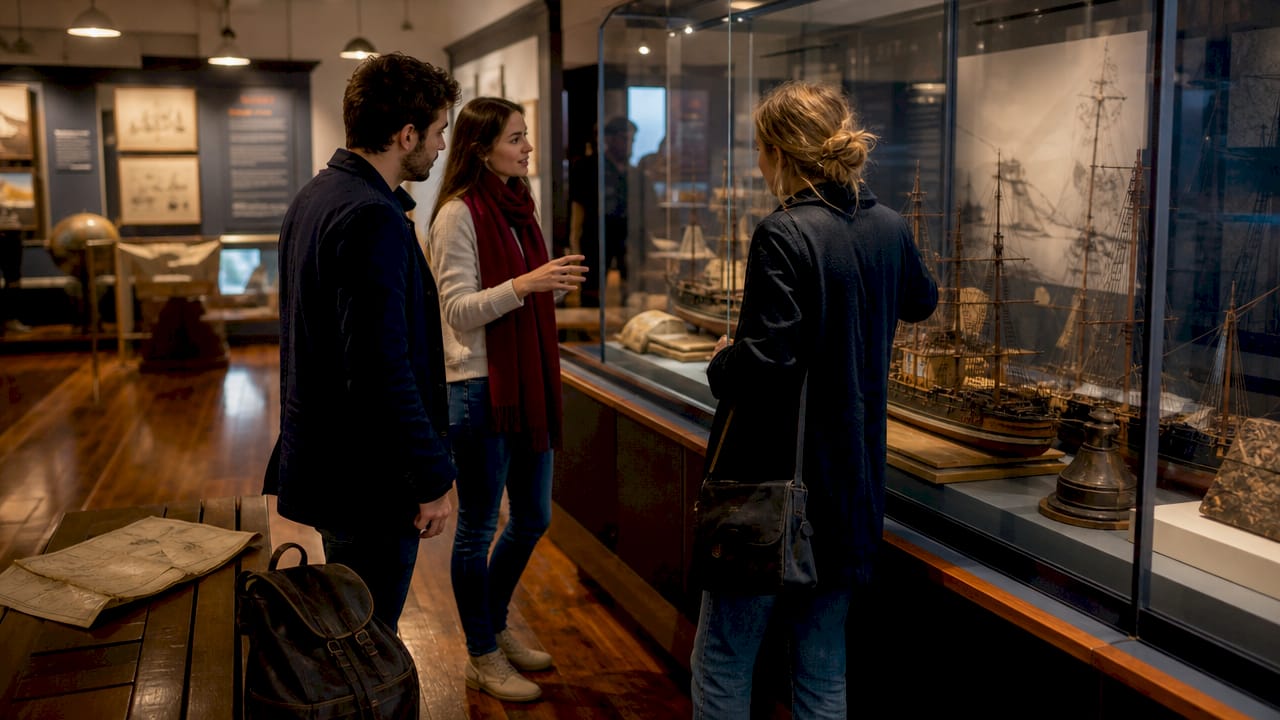
The National Marine Aquarium is the UK’s largest marine facility, with 4,000 animals across its tanks and exhibits. Entry comes with a one-year free return ticket, which means a single visit effectively becomes two. That policy makes it one of the best-value attractions in the South West.
The Box reopened in 2020 as Plymouth’s central museum and archive. It holds around 2 million items, including 150,000 natural history specimens, and admission is free. The scale of the collection is genuinely surprising for a regional museum. For visitors interested in art across Devon, Thedevondrop’s guide to art in Devon places The Box in useful regional context.
“Plymouth’s mix of urban amenities, naval heritage, and access to natural landscapes creates a city lifestyle that is genuinely unlike anywhere else in Britain. The combination rewards both the curious visitor and the long-term resident.”
Beyond the two headline venues, the city offers:
- The Barbican — Plymouth’s oldest quarter, with cobbled streets, independent galleries, and the Mayflower Steps where the Pilgrim Fathers departed in 1620.
- Royal William Yard — a 19th-century naval victualling yard converted into a waterfront hub for restaurants, bars, and independent shops. The architecture alone is worth the walk.
- Plymouth Gin Distillery — one of the oldest working distilleries in England, offering tours and tastings in a building that dates to 1431.
- Plymouth Hoe — the broad green headland above the Sound, famous for its views, the Smeaton’s Tower lighthouse, and the spot where Sir Francis Drake reportedly finished his game of bowls before the Armada.
2. Which outdoor activities and coastal experiences are best in Plymouth?
Plymouth sits at the edge of Plymouth Sound National Marine Park, which gives it access to coastal and marine environments that most British cities can only dream of. The outdoor options here are genuinely varied.
- South West Coast Path — Plymouth is a staging point for one of Britain’s great long-distance trails. Day sections east towards Wembury or west into Cornwall offer dramatic cliff scenery without requiring a full expedition.
- Cremyll Ferry — the Cremyll Ferry provides scenic access to Mount Edgcumbe Country Park and connects directly to sections of the South West Coast Path. It is faster than driving and far more enjoyable.
- Boat trips on Plymouth Sound — guided trips across the Sound take in HMNB Devonport, Drake’s Island, and the breakwater. The naval base at Devonport is the largest in Western Europe, and seeing it from the water gives a sense of its true scale.
- Guided sea fishing — local operators run half-day and full-day fishing trips from the Barbican. The best ones cook your catch at a nearby restaurant afterwards. That combination of activity and meal is one of Plymouth’s most distinctive visitor experiences.
- Tinside Lido — a Grade II listed Art Deco outdoor pool on the Hoe foreshore, open in summer. It is one of the finest outdoor swimming venues in England and consistently underrated.
- West Hoe Park — a family-friendly green space with tennis courts, a putting green, and direct access to the waterfront. It works well as a base for a relaxed afternoon between more active pursuits.
- Snorkelling in Plymouth Sound — the Sound’s sheltered waters and marine park status make it a good entry point for snorkelling, with kelp forests and grey seals visible in the right conditions.
Pro Tip: Take the Cremyll Ferry as your first move of the day. You get the best views of Plymouth’s waterfront from the water, and Mount Edgcumbe gives you a quiet morning walk before the city gets busy.
3. What makes Plymouth’s local neighbourhoods unique?
Plymouth rewards visitors who move beyond the Barbican and Royal William Yard. The city’s distinct suburban communities each carry their own character, and spending time in them gives a far more honest picture of how Plymouth actually lives.
- Peverell — a residential neighbourhood with a strong independent café and deli culture. The streets around Hyde Park Road have a relaxed, local feel that contrasts sharply with the tourist waterfront.
- Stoke — close to Devonport and shaped by its naval proximity. The area has a working-class directness and some excellent no-frills pubs that have served the dockyard community for generations.
- Plymstock — a quieter suburb on the eastern side of the Plym estuary, popular with families and offering easy access to Hooe Lake and the coastal path towards Wembury.
- Plympton — a historic market town absorbed into greater Plymouth, with a ruined castle and a strong local identity. It sits at the edge of Dartmoor’s influence and feels noticeably different from the city centre.
The contrast between these neighbourhoods and the central tourist hubs is part of what makes Plymouth interesting. The Barbican is polished and photogenic. Stoke and Peverell are where Plymouth actually happens.
4. Which seasonal events in 2026 should visitors plan around?
2026 is a strong year for Plymouth events, with the city leaning into its maritime identity across the calendar. Planning your visit around these dates adds a layer of atmosphere that no attraction can replicate.
| Event | Date | Location |
|---|---|---|
| British Firework Championships | August 2026 | Plymouth Hoe |
| Seafest Plymouth | September 2026 | Waterfront and Barbican |
| Armed Forces Day | Summer 2026 | Plymouth Hoe |
The British Firework Championships on Plymouth Hoe is the most spectacular of the three. Competing companies fire from barges on the Sound, with the Hoe as a natural amphitheatre. Attendance is free and the crowds are large, so arriving early is non-negotiable. Seafest in september celebrates Plymouth’s maritime heritage with boat displays, local food producers, and live music along the waterfront. Armed Forces Day on the Hoe draws significant crowds and reflects the city’s deep connection to HMNB Devonport and the Royal Navy.
Pro Tip: Book accommodation at least two months ahead for the British Firework Championships. Hotels within walking distance of the Hoe fill quickly, and the event draws visitors from across the UK.
For a broader view of what Devon has on in 2026, Thedevondrop’s Devon activities guide covers the wider county calendar.
5. What are the best places to eat and relax in Plymouth?
Plymouth’s dining scene has moved well beyond fish and chips, though the city still does those exceptionally well. The range now covers everything from Michelin-starred cooking to relaxed waterside lunches.
- Àclèaf Restaurant at Boringdon Hall — Plymouth’s only Michelin-starred restaurant, set in a manor house on the edge of Dartmoor. The tasting menu uses Devon produce throughout and represents a serious dining occasion.
- The Boathouse — near the Mayflower Steps, specialising in local seafood. The menu changes with the catch and the setting is relaxed without being casual.
- Jolly Jacks — a waterside spot with a straightforward menu and good views across the Sound. It works well for families and for visitors who want quality without formality.
- Gaia Spa at Boringdon Hall Hotel — the same estate as Àclèaf, offering a full spa with thermal pools, treatment rooms, and countryside views. It is one of the best wellness venues in the South West and pairs naturally with a stay at the hotel.
- Independent cafés in Peverell and the Barbican — both areas have strong café cultures with locally sourced food. The Barbican options are busier and more tourist-facing; Peverell is quieter and more neighbourhood-focused.
The combination of Àclèaf and Gaia Spa at Boringdon Hall makes for a genuinely memorable overnight trip. Few places in Devon offer that quality of food and wellness in a single location.
Key takeaways
Plymouth, Devon, delivers a rare combination of maritime heritage, free world-class museums, active coastal access, and Michelin-starred dining within a single city.
| Point | Details |
|---|---|
| Anchor attractions | The National Marine Aquarium and The Box offer exceptional value, with free or return-ticket entry. |
| Outdoor access | The Cremyll Ferry and Plymouth Sound give direct access to coastal walks and marine experiences. |
| Neighbourhood depth | Suburbs like Peverell, Stoke, and Plympton offer authentic local character beyond the tourist centre. |
| 2026 events | The British Firework Championships and Seafest are the standout dates; book accommodation early. |
| Dining and wellness | Àclèaf and Gaia Spa at Boringdon Hall represent the South West’s best combined food and wellness offer. |
Plymouth through local eyes: what the city actually gets right
Most travel writing about Plymouth focuses on the Hoe and the Barbican. Both deserve their reputation. But the city’s real strength is the way it layers different kinds of experience without any of them feeling forced.
The Royal William Yard redevelopment is a good example. Converting 19th-century naval buildings into a working social hub could easily have produced a sanitised heritage theme park. Instead, it feels like a genuine neighbourhood. The architecture is preserved, the restaurants are good, and people actually use it on a Tuesday evening. That is harder to achieve than it looks.
What I find most compelling about Plymouth is the contrast between its scale and its accessibility. HMNB Devonport is the largest naval base in Western Europe. The National Marine Aquarium is the UK’s largest. The Box holds 2 million items. These are not modest claims. Yet the city never feels overwhelming. You can walk from the Barbican to the Hoe to Royal William Yard in an afternoon and still have time for a swim at Tinside.
The neighbourhoods are where I would point any visitor who has already done the obvious things. Peverell on a Saturday morning, with its independent shops and unhurried pace, shows you a Plymouth that has nothing to prove to tourists. That version of the city is just as worth your time.
If you visit in 2026, time it around the British Firework Championships in august. Watching competing companies fire from barges on the Sound, with the Hoe packed and the city lit up, is one of those experiences that stays with you. Plymouth at its most itself.
— Mark
Plan your Devon experience with Thedevondrop
Plymouth is a strong starting point for any Devon visit, but the county has far more to offer within easy reach.

Thedevondrop brings together curated local experiences across Devon, from fine dining and spa days to weekend escapes at some of the county’s best hotels. If the Àclèaf tasting menu or a day at Gaia Spa has caught your attention, the Devon Drop experiences page is the right place to look next. For visitors wanting to extend their stay beyond Plymouth, Thedevondrop’s best Devon places guide covers the wider county with the same local knowledge. Devon rewards those who go beyond the obvious, and Thedevondrop is built to help you do exactly that.
FAQ
What is Plymouth, Devon, best known for?
Plymouth is best known as Britain’s Ocean City, with a strong naval heritage centred on HMNB Devonport, the Mayflower Steps, and Plymouth Hoe. The National Marine Aquarium and The Box museum are its two leading visitor attractions.
How do I get to Plymouth from London?
Direct train services from London Paddington reach Plymouth in just over three hours via the Great Western Main Line. Regular services run throughout the day.
What are the best free things to do in Plymouth?
The Box museum offers free admission and holds around 2 million items including 150,000 natural history specimens. Plymouth Hoe, the Barbican quarter, and West Hoe Park are also free to visit.
When is the best time to visit Plymouth in 2026?
August and september are the strongest months, with the British Firework Championships on Plymouth Hoe in august and Seafest celebrating maritime heritage in september. Both events are free to attend.
Is Plymouth good for families?
Plymouth works well for families, with Tinside Lido, West Hoe Park, the National Marine Aquarium, and boat trips on Plymouth Sound all suited to children. The aquarium’s one-year return ticket makes it particularly good value for repeat visits.