Best Devon places to visit in 2026: local guide
Devon is defined as one of England’s most geographically varied counties, stretching from the dramatic cliffs of the north coast to the sheltered estuaries of the south, with Dartmoor’s open moorland sitting squarely in between. The best devon places to visit span far beyond the obvious postcard shots. Ness Cove, the Little Dartmouth circular walk, Salcombe, and Dartmoor each represent a different face of this county, and knowing which to visit and when makes all the difference. Whether you are a first-time visitor or a local looking for something new, this guide covers the coastal, cultural, and countryside highlights worth your time in 2026.
1. What makes Devon places worth exploring?
Devon places are not a single type of destination. The county holds two national parks, two coastlines, and dozens of market towns, each with its own character. That variety is precisely what makes Devon worth returning to repeatedly. You can spend a morning on a secluded pebble beach, an afternoon walking Civil War ruins, and an evening in a harbourside pub, all within a 20-mile radius.
The south Devon coast, in particular, rewards those who look beyond the main resorts. The South Devon National Landscape covers 340 sq km from Berry Head to Jennycliff, taking in coastline, estuaries, and countryside home to around 34,000 people. That scale means there is always a new corner to find, even for residents who have lived here for years.
2. Hidden gems: Ness Cove and Devon’s secret beaches
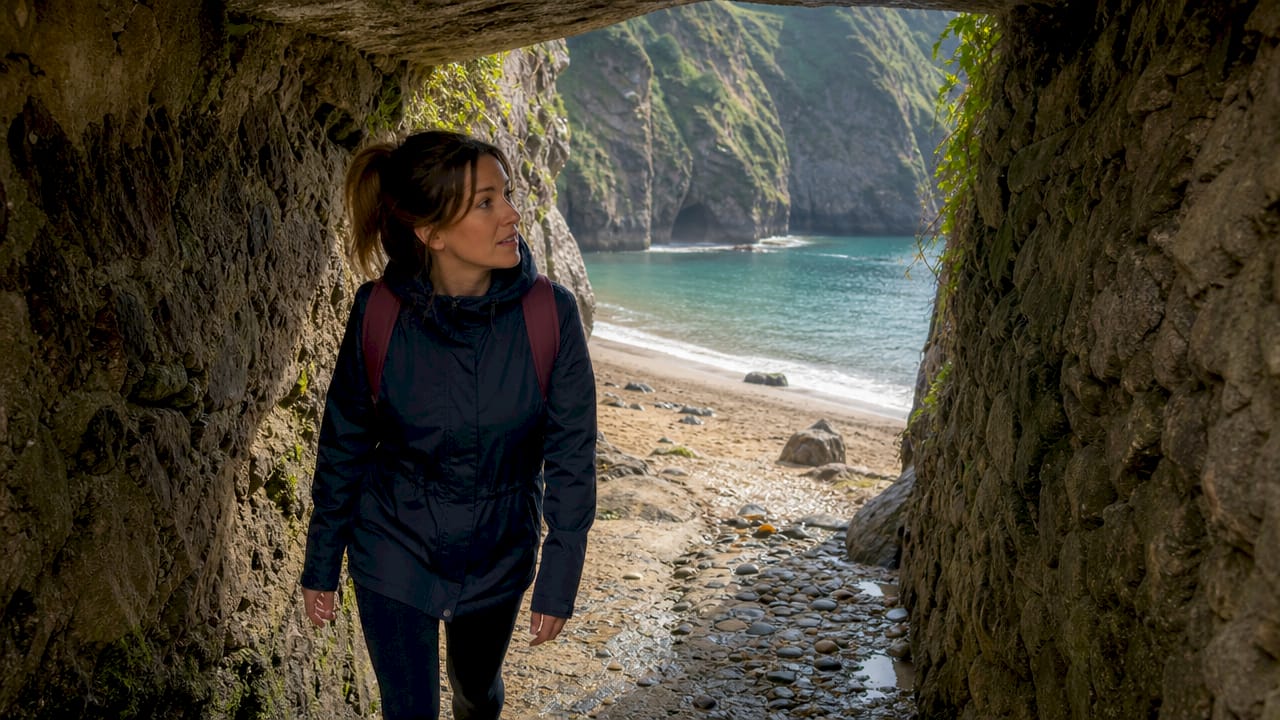
Ness Cove near Shaldon is accessible through a historic tunnel cut into the cliff face, known as the Old Smugglers’ Tunnel. The passage is narrow and requires care, but the reward is a pebble shore with calm, clear water and surrounding cliffs that feel genuinely removed from the crowds. This is not a beach you stumble upon by accident. You find it by knowing where to look.
The cove offers more than a quiet swim. Seabirds, dolphins, and seals are regularly spotted from the water and the cliff edges, and the rock faces attract experienced climbers and divers. Snorkelling in the calm shallows is particularly good in summer, when visibility improves and marine life is most active.
The key to finding genuine hidden beaches like Ness Cove is planning based on access routes rather than relying solely on map pins. A location that looks reachable on a satellite image may require a specific path, a tidal window, or local knowledge to reach safely.
- Best time to visit: Late spring to early autumn, weekdays for the most privacy
- Access: Via the Old Smugglers’ Tunnel from Shaldon village
- Activities: Swimming, snorkelling, wildlife watching, cliff diving (experienced only)
- Note: The tunnel is narrow. Take a torch and check tide times before you go
“The tunnel itself is part of the experience. Walking through it and emerging onto that beach feels like a genuine discovery, even if you have done it before.”
Pro Tip: Search for the tunnel entrance on foot from Shaldon rather than using a car park as your starting point. The approach through the village adds context and means you arrive knowing the terrain.
3. Coastal and countryside walks: the Little Dartmouth route
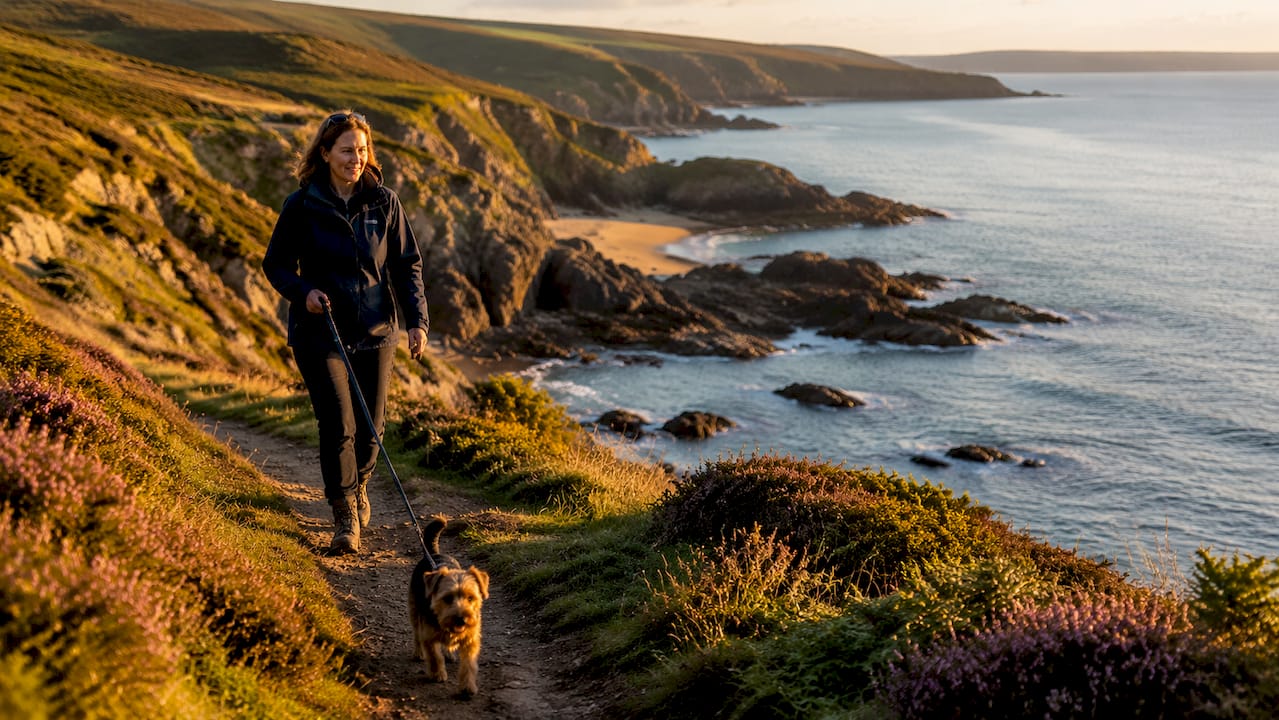
The Little Dartmouth circular walk is a four-mile route starting from the National Trust car park at Little Dartmouth, and it combines coastal views with two of Devon’s most historically significant landmarks. Gallants Bower, a Civil War earthwork fort sitting above the Dart estuary, and Dartmouth Castle, one of England’s earliest purpose-built artillery fortresses, both feature on or near the route. Few walks of this length pack in that level of historical density.
What sets this walk apart for repeat visitors is its modular structure. Detours to Compass Cove, viewpoints above the estuary, and sections of the South West Coast Path can each be added or removed depending on your energy and interest. Treating the route as a framework rather than a fixed circuit means locals can walk it a dozen times and still find something new.
The route also passes through wildflower meadows and coastal scrub that support a range of bird species, including stonechats, linnets, and peregrine falcons in the right season. Spring and early summer bring the best flora, with sea campion and thrift colouring the cliff edges.
Pro Tip: Download the National Trust’s walk notes before you go rather than relying on mobile signal. The posted signs on the ground are clear, but the notes give you the historical context that transforms the walk from a pleasant stroll into something genuinely memorable.
We have covered the best coastal walks in Devon in more detail if you want to plan a longer itinerary around routes like this one.
4. Devon towns and villages worth your time
Devon towns like Dartmouth, Salcombe, and Clovelly each offer a distinct version of Devon’s cultural identity. Dartmouth is a working harbour town with a Royal Naval College, a medieval castle, and a food scene that punches well above its size. Salcombe, further west along the south Devon coast, is known for its estuary sailing culture and independent food producers. Clovelly, on the north Devon coast, is a privately owned village where cars are banned and donkeys were historically used to carry goods down the cobbled main street.
- Dartmouth: Strong on heritage, waterfront dining, and the annual Dartmouth Food Festival
- Salcombe: Best for estuary walks, independent delis, and coastal pubs with views
- Clovelly: Unique for its car-free cobbled street, harbour, and unchanged village character
- Totnes: Devon’s most independent-minded town, with a thriving arts scene, weekly market, and strong food culture
Totnes deserves particular mention for visitors interested in Devon’s creative and alternative communities. The town has a higher concentration of independent shops, galleries, and food producers per head than almost anywhere else in the county. The weekly market on the high street draws local growers and makers who rarely sell anywhere else.
The Devon County Show brings together food fairs, livestock competitions, woodland demonstrations, and craft beer selections in one of the county’s largest annual gatherings. It is the kind of event that shows Devon’s agricultural and cultural identity in a single afternoon, and it draws both locals and visitors who want to see the county at its most itself.
Pro Tip: Visit Devon pubs for a reliable read on local character. We have a guide to the top Devon pubs worth seeking out if you want recommendations beyond the obvious.
5. Beaches, outdoor activities, and the South Devon National Landscape
The South Devon National Landscape is the official designation for the protected coastline and countryside stretching from Berry Head near Brixham to Jennycliff on the edge of Plymouth. Understanding its boundaries helps you choose where to walk, swim, and explore with confidence, because the designation signals both natural quality and managed access. Tools like the Defra Magic Map and Devon County Council’s Environment Viewer show the statutory boundaries in detail.
| Activity | Best location | Season |
|---|---|---|
| Surfing | Croyde, Saunton Sands | Autumn and winter for swell |
| Kayaking | Salcombe estuary, River Dart | Spring to autumn |
| Coasteering | Berry Head, Prawle Point | Summer |
| Wildlife watching | Ness Cove, Start Point | Spring and early autumn |
| Family swimming | Blackpool Sands, Bantham | Summer |
Croyde on the north Devon coast is the county’s most consistent surf break, drawing experienced surfers from across the UK. Saunton Sands, just south of Croyde, offers a three-mile beach that works for beginners and families. On the south coast, the Salcombe estuary is one of the best places in England for sheltered kayaking, with calm water, tidal creeks, and sandy beaches accessible only by boat or paddle.
Coasteering, which involves swimming, scrambling, and cliff jumping along a rocky shoreline with a guide, is well established at Berry Head near Brixham and along the Prawle Point coastline. It is one of the most direct ways to experience Devon’s coastal geology and marine life simultaneously.
Pro Tip: Use the South Devon National Landscape map before planning a beach day. It shows not just the protected areas but also the access points, car parks, and footpath connections that make the difference between a frustrating drive and a smooth visit.
Key takeaways
Devon’s best places reward those who combine well-known coastal landmarks with lesser-known access routes, modular walking itineraries, and local cultural events.
| Point | Details |
|---|---|
| Hidden beaches need planning | Ness Cove requires tunnel access from Shaldon. Research the route before you arrive. |
| Walks work better as modules | The Little Dartmouth route can be extended or shortened using detours to ruins and coves. |
| Towns offer distinct identities | Dartmouth, Totnes, Salcombe, and Clovelly each have a different cultural character worth understanding before you visit. |
| The National Landscape shapes access | The South Devon National Landscape covers 340 sq km. Use official mapping tools to plan routes and find access points. |
| Seasonal timing matters | Ness Cove is best late spring to early autumn on weekdays. Croyde surf peaks in autumn and winter. |
Why I keep coming back to Devon’s less obvious corners
The temptation with Devon is to stick to what you already know. Dartmoor in one direction, the coastal path in another, and a reliable pub at the end. That is a perfectly good day. But the places that have stayed with me longest are the ones that required a bit of effort to reach.
Ness Cove is a good example. The first time I walked through that tunnel, I genuinely did not know what I would find on the other side. That feeling of mild uncertainty before a reveal is rare in a county as well-documented as Devon. The beach itself is not the most dramatic in the county, but the experience of arriving there is unlike anything else.
The same logic applies to the Little Dartmouth walk. I have done it in different seasons and with different groups, and each time I have taken a different detour. The Gallants Bower ruins look completely different in low winter light compared to a bright May morning. That is the value of treating Devon places as layered rather than fixed. You are not ticking them off. You are building a relationship with them over time.
My honest advice: resist the urge to cover too much ground in a single trip. Devon rewards slow travel more than most counties. Pick two or three places, go deep on each, and leave something for next time.
— Mark
Discover Devon with Thedevondrop

Thedevondrop is built for people who genuinely love Devon and want to get more from it. Whether you are looking for a new coastal walk, a weekend break in a country hotel, or a food experience you would not find in a guidebook, The Devon Drop brings together curated Devon experiences worth your time. We cover the beaches, the villages, the pubs, and the hidden corners that make this county worth exploring properly. If you are planning your next Devon visit or simply want to know what is worth doing closer to home, start here.
FAQ
What are the best hidden Devon places to visit?
Ness Cove near Shaldon is one of Devon’s most rewarding hidden beaches, accessed via the Old Smugglers’ Tunnel through the cliff. Planning based on access routes rather than map locations is the most reliable way to find genuinely secluded spots.
How long is the Little Dartmouth circular walk?
The Little Dartmouth circular walk is four miles, starting from the National Trust car park. Optional detours to Compass Cove and Gallants Bower can extend the route depending on your preference.
What does the South Devon National Landscape cover?
The South Devon National Landscape covers 340 sq km of coastline, estuaries, and countryside from Berry Head to Jennycliff. Official mapping tools including the Defra Magic Map show its full boundaries and access points.
Which Devon towns are best for food and culture?
Dartmouth, Totnes, and Salcombe are the strongest options for food, independent shops, and cultural events. The Devon County Show is the county’s largest annual gathering for local food, crafts, and agricultural heritage.
When is the best time to visit Devon beaches?
Late spring to early autumn suits most Devon beaches for swimming and water activities. Croyde and Saunton Sands on the north coast are best for surfing in autumn and winter when Atlantic swells are strongest.