Paignton town: your 2026 visitor guide
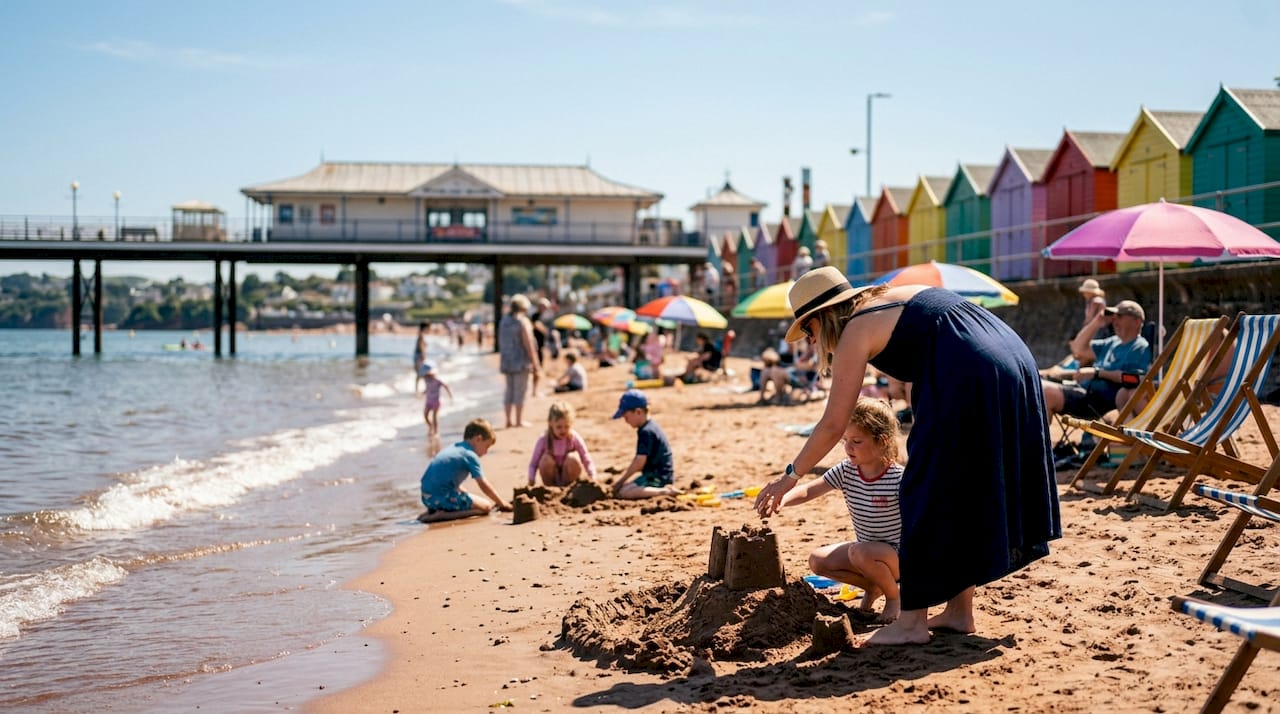
Paignton town is a traditional seaside resort on the English Riviera, sitting between Torquay and Brixham on the South Devon coast. It earns its reputation as the family-focused heart of the Riviera through sandy beaches, a classic pier, and a line-up of attractions that genuinely deliver on a full day out. The Palace Theatre and Paignton Zoo Environmental Park anchor the cultural and wildlife offer, while the promenade keeps things cheerfully old-fashioned. Whether you are planning a weekend break or a longer stay, this guide covers everything worth knowing before you arrive.
1. What are the top family-friendly attractions in Paignton town?
Paignton Zoo Environmental Park is the single biggest draw for families. The zoo covers 80 acres of botanical gardens and animal exhibits, making it a genuine full-day destination rather than a quick stop. The layout is spacious enough that it never feels crowded, even during school holidays.

Splashdown Quaywest water park runs from april to september each year and sits right beside Goodrington Sands. It is one of the few water parks in the South West with a full range of slides for different age groups, from toddler-friendly pools to high-speed flumes. Booking ahead in july and august is strongly advised.
Paignton Pier stretches out over the bay and offers traditional amusements, arcades, and a café. It is the kind of pier that feels unchanged from decades past, which is precisely its appeal. Children love it; adults tend to find it quietly nostalgic.
- Paignton Zoo Environmental Park: 80 acres, botanical gardens, full day out
- Splashdown Quaywest: seasonal water park, april to september, beside Goodrington Sands
- Paignton Pier: traditional amusements, arcades, sea views
- Goodrington Sands: local favourite beach with good facilities and manageable crowds
Pro Tip: Visit Paignton Zoo on a weekday morning in may or june. The gardens are at their best, the queues are shorter, and the animals tend to be more active in the cooler part of the day.
For more family-friendly ideas nearby, the Devon water park guide covers seasonal options across the county worth adding to your itinerary.
2. Which beaches should you visit in Paignton?
Paignton Beach is the main stretch, running for roughly a mile along the seafront. The sand has a distinctive reddish hue caused by iron minerals in the local geology. That warm colour sets it apart from the pale sands you find further up the coast and gives the beach a character all of its own.
Goodrington Sands sits about a mile south and is the beach locals tend to prefer. It has better facilities, including changing rooms and beach cafés, and it draws fewer visitors than the main beach during peak season. Families with young children find it easier to manage here, with calmer water and more space to spread out.
Both beaches benefit from the English Riviera’s mild climate. The area sits in a sheltered bay that keeps temperatures a degree or two warmer than much of the rest of Devon. Parking near Paignton Beach fills quickly from late june onwards, so arriving before 10AM or using the park-and-ride saves considerable frustration.
- Paignton Beach: long sandy stretch, reddish iron-rich sand, classic promenade
- Goodrington Sands: quieter, better facilities, popular with local families
- Water quality: both beaches hold consistent Blue Flag standards in recent years
- Best timing: early morning visits in july and august beat the crowds
For a broader look at Devon’s coastline, the English Riviera guide on Thedevondrop covers the full stretch from Dawlish to Brixham.
3. What cultural and entertainment experiences does Paignton offer?
The Palace Theatre is Paignton’s most reliable cultural venue. It operates for 50 weeks a year with a 380-seat auditorium hosting live comedy, drama, pantomime, and music. That near-year-round schedule means there is almost always something on, regardless of when you visit.
“The Palace Theatre’s consistent programming makes it one of the most dependable indoor venues on the English Riviera. When Devon weather turns, a 380-seat theatre with a full calendar is exactly what a seaside town needs.”
The Torbay Airshow and Paignton Regatta are the two headline annual events that draw visitors from across the region. The Airshow typically runs over a summer weekend and fills the seafront with spectators. The Regatta brings sailing and community events to the bay and has a genuinely local feel rather than a purely commercial one.
Paignton also has a solid pub and live music scene concentrated around the town centre and seafront. Several pubs host regular live acts at weekends, and a handful of cocktail bars have opened in recent years, broadening the evening offer beyond traditional seaside fare. Checking the Palace Theatre’s calendar before you book your trip is worth the five minutes it takes.
4. Where are the best places to eat in Paignton?
Paignton’s dining scene balances traditional and international options more effectively than many comparable seaside towns. The promenade delivers exactly what you expect: fish and chip shops, ice cream parlours, and seafront cafés that do a brisk trade from may through to september. These are not afterthoughts. Several of the chip shops have been trading for decades and take their sourcing seriously.
Away from the seafront, the town centre holds a good spread of independent restaurants. Italian, Indian, and Chinese options are all well represented, and a number of family-run restaurants focus on Devon seafood. The quality varies, as it does anywhere, but the independent places consistently outperform the chain options.
Local pubs are worth seeking out for lunch. Many serve generous portions of traditional pub food alongside a selection of Devon ales, and the atmosphere tends to be relaxed and genuinely welcoming rather than performatively rustic.
- Promenade: fish and chips, ice cream, seafront cafés
- Town centre: Italian, Indian, Chinese, and independent Devon seafood restaurants
- Pubs: local ales, traditional pub food, relaxed atmosphere
- Family-run spots: Devon seafood focus, worth asking locals for current recommendations
Pro Tip: Ask your accommodation host for their current favourite local restaurant rather than relying solely on review sites. Paignton’s independent dining scene shifts regularly, and locals always know which places are on form.
For a wider look at dining across the region, the Torquay restaurant guide on Thedevondrop covers options just a few miles up the coast.
5. How do you get to and around Paignton?
Paignton Railway Station is the terminus of the Riviera Line, with direct services to Exeter, London Paddington, and Cardiff. That makes it one of the better-connected seaside towns in the South West. The train from Exeter St Davids takes around 40 minutes and the coastal stretch of the route is genuinely scenic.
The coastal train and ferry network during summer is worth prioritising over driving. Ferries run between Torquay, Paignton, and Brixham during the warmer months, turning a short hop between towns into a pleasant experience in its own right. The train from Exeter to Paignton offers sea views that make the journey feel like part of the holiday.
Road access comes via the A380 from Exeter and the A385 from Totnes. Both routes are well signed and straightforward outside of peak hours. During july and august, however, the roads into Torbay can back up significantly on sunny weekends.
- By train: Riviera Line from Exeter, direct services to London Paddington and Cardiff
- By ferry: seasonal services linking Torquay, Paignton, and Brixham
- By road: A380 from Exeter, A385 from Totnes; park-and-ride recommended in peak season
- By bus: local services connect the town centre to Goodrington, Torquay, and Brixham
- By bike: the seafront and promenade are well suited to cycling; hire is available locally
Key takeaways
Paignton town delivers a well-rounded seaside visit built on strong family attractions, distinctive beaches, reliable cultural venues, and accessible transport links.
| Point | Details |
|---|---|
| Family attractions | Paignton Zoo’s 80 acres and Splashdown Quaywest (april to september) anchor the family offer. |
| Beach character | Paignton Beach has iron-rich reddish sand; Goodrington Sands suits families seeking quieter conditions. |
| Cultural anchor | The Palace Theatre runs for 50 weeks a year in a 380-seat venue, providing reliable indoor options. |
| Dining variety | The food scene balances traditional seafront fare with independent international and Devon seafood restaurants. |
| Getting there | The Riviera Line connects Paignton directly to Exeter and London; summer ferries link the three Torbay towns. |
Why Paignton rewards visitors who look past the obvious
Paignton gets underestimated. People arrive expecting a slightly tired bucket-and-spade resort and leave surprised by how much the town actually delivers. I think that gap between expectation and reality is one of its genuine strengths.
The thing I keep coming back to is Goodrington Sands. Most visitors head straight to the main beach, which is fine, but Goodrington is where you get a proper feel for the place. Fewer crowds, better facilities, and the water park right there if the children need entertaining. It is the kind of spot that rewards visitors who take five minutes to look at a map before heading out.
The train journey from Exeter deserves more credit than it gets. The coastal stretch approaching Dawlish and then down through Teignmouth is one of the most dramatic rail routes in England. Treating it as part of the experience rather than just a means of arrival changes the whole tone of the trip.
My honest advice: check the Palace Theatre calendar before you book. A good show on a rainy evening turns a potentially frustrating day into a highlight. Paignton’s weather is mild but unpredictable, and having an indoor plan ready is never wasted preparation.
— Mark
Plan your Paignton visit with Thedevondrop
Paignton has a lot to offer, and knowing where to look makes the difference between a good trip and a great one.

Thedevondrop brings together curated local experiences across Devon, from dining and wellness to weekend stays and outdoor activities. Whether you are after a table at a well-regarded seafood restaurant, a spa afternoon, or an activity to complement a beach day, the Devon Drop is a good place to start planning. We cover the whole county, so if your trip takes you beyond Paignton to Brixham or Dartmouth, the Brixham visitor guide has you covered there too.
FAQ
What is Paignton town known for?
Paignton is known as the family-friendly resort of the English Riviera, with sandy beaches, a traditional pier, Paignton Zoo Environmental Park, and the Palace Theatre among its main draws.
How big is Paignton Zoo?
Paignton Zoo Environmental Park covers 80 acres of botanical gardens and animal exhibits, making it one of the largest zoos in the South West and a full-day destination.
What is the best beach in Paignton?
Paignton Beach is the main stretch, with distinctive reddish iron-rich sand. Goodrington Sands, about a mile south, is preferred by locals for its better facilities and quieter atmosphere.
When is the best time to visit Paignton?
May, june, and early september offer the best balance of good weather and manageable crowds. July and august are busiest, particularly at weekends when road and parking pressure peaks.
How do you get to Paignton by train?
Paignton Railway Station is the terminus of the Riviera Line, with direct services from Exeter St Davids, London Paddington, and Cardiff. The journey from Exeter takes around 40 minutes.