English Riviera: the 2026 guide to Devon’s coast
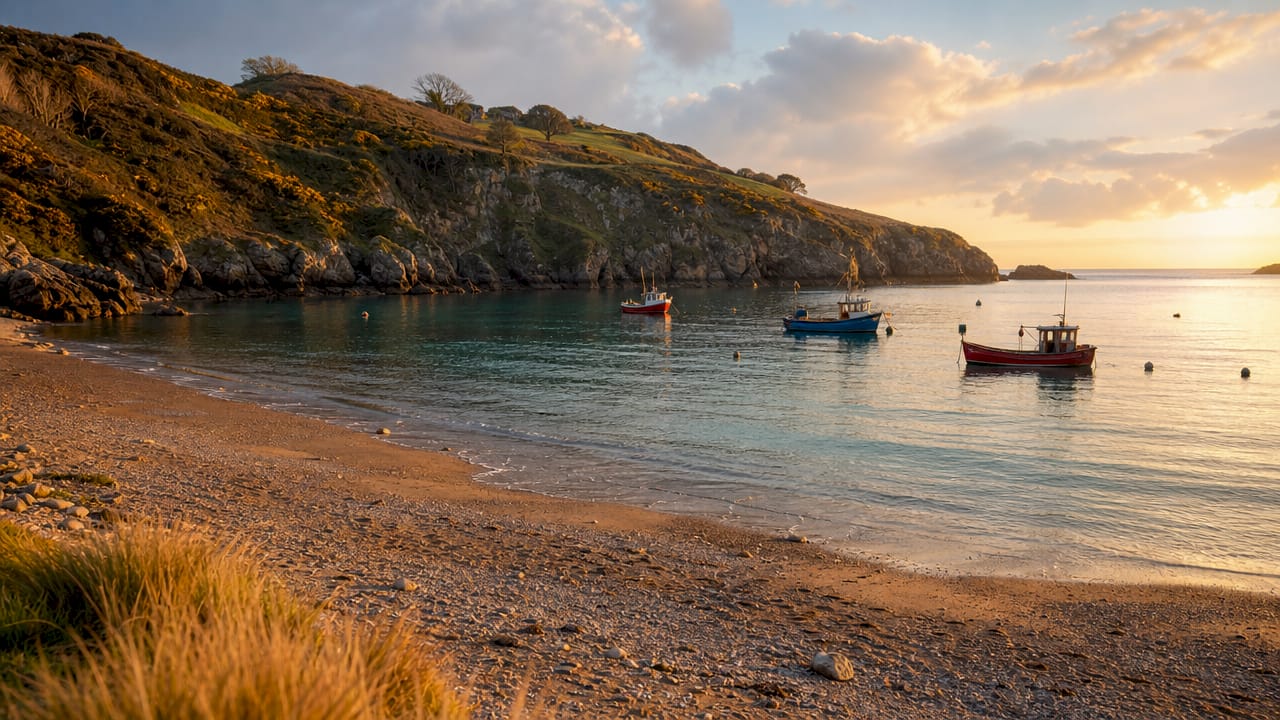
The English Riviera is a 22-mile stretch of South Devon coastline encompassing Torquay, Paignton, and Brixham, and it is one of Britain’s most rewarding seaside destinations. The area holds UNESCO Global Geopark status, covering 35 sq km of geological history visible in cliffs, rock formations, and coastal headlands. Reachable from London Paddington in around three hours, it draws visitors year-round with a mix of sandy beaches, heritage sites, fresh seafood, and outdoor adventure. Whether you are planning a family holiday, a coastal walking trip, or a weekend away, this guide covers the best the Riviera has to offer in 2026.
1. What makes the English Riviera different from other UK coastal destinations?
The Riviera’s sheltered bay geography creates microclimates that produce warmer, more stable weather than most UK coastal areas. That geographical quirk is the reason palm trees grow in Torquay’s seafront gardens and why the area earned its Mediterranean nickname in the first place. The UNESCO Global Geopark designation adds another layer of distinction. Geological diversity visible in sites like Berry Head, Hope’s Nose, and Daddyhole Plain makes this coastline genuinely unlike anywhere else in England.
2. Torquay: the elegant heart of the Riviera
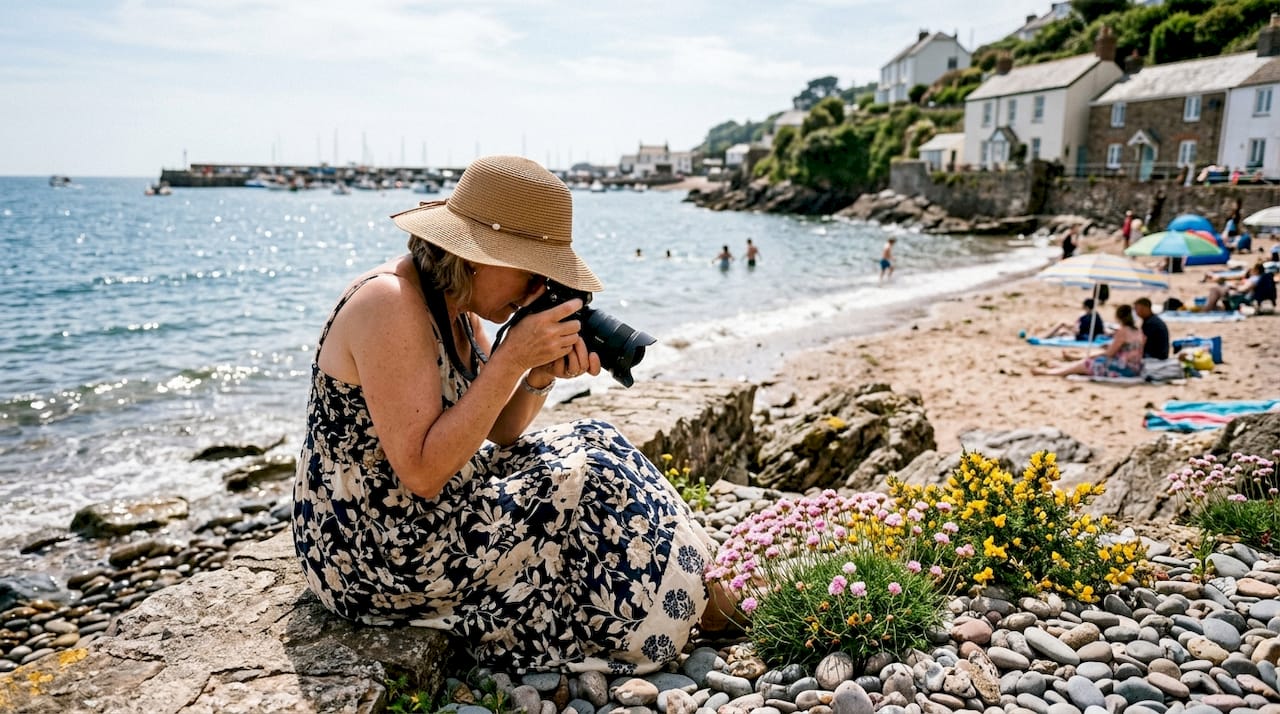
Torquay is the largest and most cosmopolitan of the three towns, with a working marina, grand Victorian hotels, and manicured seafront gardens. The town’s identity is shaped by its history as a fashionable resort and by its famous connection to Agatha Christie, who was born here in 1890. The harbour area is lively without being chaotic, and the mix of independent restaurants, bars, and boutique shops gives it a character that larger English seaside resorts often lack.
- Marina and harbour: Torquay Marina is one of the South West’s largest, with visiting yachts and a waterfront lined with cafés and restaurants.
- Agatha Christie Mile: A self-guided trail links key locations from the author’s life, including her birthplace and the Grand Hotel.
- Torre Abbey: A medieval abbey turned art gallery and museum, set in formal gardens just back from the seafront.
Pro Tip: Visit Torre Abbey on a weekday morning to avoid school groups and get the gardens largely to yourself.
3. Paignton: the family-friendly resort town
Paignton sits between Torquay and Brixham and offers the most traditional British seaside experience of the three towns. Paignton Sands is a wide, gently shelving beach well suited to young children, and the Victorian pier adds to the classic resort atmosphere. The town centre has amusements, ice cream parlours, and a good range of family-friendly eateries within easy walking distance of the beach.
Paignton Zoo is one of the South West’s most visited attractions, home to more than 2,500 animals across 32 acres. The Dartmouth Steam Railway departs from Paignton station, making it a natural starting point for one of the Riviera’s most scenic excursions. The railway follows the Dart estuary through countryside that most visitors never see from the road.
4. Brixham: the authentic fishing harbour
Brixham is the most characterful of the three towns and the one that feels least like a tourist resort. The working harbour is still the centre of daily life here, with fishing boats unloading catches each morning and a fish market that operates at serious commercial scale. Brixham Fish Market is one of the UK’s most valuable fishing ports, with annual catches worth £30–40 million. That figure explains why the seafood in Brixham’s restaurants and market stalls is so consistently good.
The town climbs steeply up from the harbour in tiers of colourful cottages, and the views back across Torbay from the upper streets are genuinely spectacular. A replica of the Golden Hind, the ship in which Sir Francis Drake circumnavigated the globe, sits in the harbour and is open to visitors.
5. Top beaches and water activities for families
The Riviera’s beaches range from busy resort strands to quieter coves, and the water activities on offer suit everyone from beginners to experienced paddlers.
- Paignton Sands: Wide, sandy, and gently shelving. Ideal for families with young children. Lifeguarded in summer.
- Goodrington Sands: A quieter alternative to Paignton, with rock pools at low tide and direct access to Splashdown Quaywest waterpark.
- Shoalstone Beach: A tidal seawater pool near Brixham, free to use and one of the few remaining examples of this Victorian bathing tradition in England.
- Coasteering and paddleboarding: Both are widely available from operators based in Torquay and Paignton, with sessions suitable for beginners.
Splashdown Quaywest at Goodrington is one of the South West’s most popular waterparks, with slides and rides suited to a range of ages. The English Riviera Airshow and ICF SUP World Cup are both scheduled for 2026, adding event-based reasons to visit beyond the beaches themselves.
Pro Tip: Book accommodation at least three months ahead for any visit between may and september. The population of the area increases several times over during peak school holidays, and road traffic on summer weekends can add significant time to any journey.
6. Heritage and cultural highlights worth your time
The Riviera’s cultural depth is one of its most underrated qualities. Most visitors come for the beaches and leave without realising how much history is packed into a relatively small area.
- Torre Abbey, Torquay: Founded in 1196, this is one of the best-preserved medieval monasteries in England. The art collection inside includes works by William Holman Hunt and other Pre-Raphaelite painters.
- Kents Cavern: These prehistoric caves on the outskirts of Torquay are Europe’s most significant prehistoric site, with evidence of multiple ancient human species. The caves maintain a constant 14°C year-round, making them a reliable option on wet days.
- Agatha Christie locations: Torquay leans into its Christie heritage with a trail, a dedicated museum, and an annual festival. The Grand Hotel and the Imperial Hotel both feature in her novels.
- Dartmouth Steam Railway: The line from Paignton to Kingswear follows the Dart estuary and offers scenic coastal views that no road route can match.
- English Riviera UNESCO Global Geopark sites: Berry Head, Hope’s Nose, and Daddyhole Plain are all accessible on foot and offer geological features spanning hundreds of millions of years.
“The English Riviera Geopark is a place where the rocks tell a story of ancient seas, tropical reefs, and dramatic earth movements. Walking the coastal path here is as much an education as it is a pleasure.”
7. Outdoor adventures and coastal walks
The South West Coast Path runs through the entire length of the Riviera, and the sections here are among the most varied and rewarding in Devon. Cliffs, coves, and open headlands alternate with stretches of urban seafront, giving walkers a genuine sense of the area’s range. The coastal walking routes between Torquay and Brixham via Berry Head are particularly well regarded for wildlife sightings, including guillemots, razorbills, and peregrine falcons nesting on the limestone cliffs.
Berry Head National Nature Reserve sits at the southern tip of Torbay and is one of the most important seabird colonies in South West England. The headland also contains the remains of Napoleonic fortifications and a lighthouse that is, by some measures, the highest and smallest in Britain. Kayaking and sailing are available from several operators, and ferry services link Torquay, Paignton, and Brixham during the summer months.
| Activity | Best location | Suitable for |
|---|---|---|
| South West Coast Path walking | Torquay to Brixham via Berry Head | All abilities, sections vary |
| Kayaking and paddleboarding | Torquay and Paignton harbours | Beginners to intermediate |
| Wildlife watching | Berry Head National Nature Reserve | Families and naturalists |
| Ferry hopping | Torquay, Paignton, Brixham | All visitors |
| Coasteering | Rocky coves near Torquay | Older children and adults |
Pro Tip: The three towns are linked by bus, ferry, and rail, so you can leave the car behind entirely for a day and move between them without any of the summer traffic headaches.
8. Where to eat: seafood and local food on the Riviera
Brixham is the natural starting point for any serious food itinerary on the Riviera. The fish market supplies restaurants across the South West, and several of the town’s restaurants buy directly from boats that docked that morning. Crab sandwiches, grilled plaice, and dressed lobster are staples on harbour-side menus, and the quality is consistently high because the supply chain is so short.
- Brixham harbour restaurants: Several independent fish restaurants sit directly on the quayside, serving catches landed within hours. Look for daily specials boards rather than fixed menus.
- Torquay seafront dining: The marina area has a good range of options, from casual fish and chips to more formal restaurant dining with harbour views.
- Paignton cafés and pubs: The town has a solid selection of family-friendly pubs and cafés, many of which use local Devon produce for their menus.
- Seasonal seafood events: Summer brings pop-up food events and seafood festivals to the harbours, particularly in Brixham, where the fishing community takes an active role in local food culture.
Devon cream teas are, of course, available everywhere. The correct Devon method is jam first, then clotted cream. This is not a matter of opinion.
Key takeaways
The English Riviera rewards visitors who take time to explore all three towns, combine beach days with heritage visits, and plan transport carefully to avoid summer congestion.
| Point | Details |
|---|---|
| Three distinct towns | Torquay, Paignton, and Brixham each offer a different atmosphere; choose your base accordingly. |
| UNESCO Geopark status | The 35 sq km Geopark adds geological and natural heritage value beyond a typical seaside resort. |
| Book early for summer | Accommodation fills months ahead between may and september; road traffic peaks on school holiday weekends. |
| Linked by public transport | Bus, ferry, and rail connect all three towns, making a car unnecessary for most day trips. |
| Seafood quality is exceptional | Brixham Fish Market’s £30–40 million annual catch underpins the area’s outstanding restaurant offer. |
Why the English Riviera keeps pulling me back
Most coastal destinations in Britain do one thing well. The Riviera does several things well simultaneously, and that is genuinely rare. I have walked the Berry Head headland in february with almost no one else around, eaten crab on Brixham quayside in july with the harbour at full summer noise, and taken the steam railway in october when the Dart estuary turns gold. Each visit felt completely different, and each one felt worth making.
What I find most undervalued about this stretch of coast is the heritage layer beneath the beach holiday surface. Kents Cavern alone would justify a detour. Torre Abbey is better than most regional galleries in England. The Christie connection is handled with more intelligence than you might expect from a seaside town leaning on a famous name. If you treat the Riviera purely as a beach destination, you are missing the better half of what it offers.
My honest advice: base yourself in Brixham for at least one night. Most visitors stay in Torquay and day-trip south, which means they see Brixham at its busiest and miss the early morning harbour atmosphere entirely. The town before 9AM, with the fishing boats in and the market running, is one of the best things Devon has to offer.
— Mark
Planning your next Devon experience with Thedevondrop
Thedevondrop curates some of the best dining, spa, and short-stay experiences across Devon, including options that sit perfectly alongside a Riviera visit.

Whether you are looking for a three-course dinner for two at a coastal Devon restaurant, a spa retreat to round off a walking weekend, or simply want to see what Devon has to offer beyond the obvious, Thedevondrop brings together experiences worth having. The Devon Drop features a regularly updated selection of dining, wellness, and activity experiences across the county, all chosen for quality and local character. Pair a Riviera trip with one of these and you have a genuinely complete Devon break.
FAQ
What is the English Riviera?
The English Riviera is a 22-mile stretch of South Devon coastline covering Torquay, Paignton, and Brixham. It holds UNESCO Global Geopark status and is accessible from London in approximately three hours.
Which town on the English Riviera is best for families?
Paignton is the most family-focused of the three towns, with wide sandy beaches, a Victorian pier, and direct access to Splashdown Quaywest waterpark at Goodrington Sands.
When is the best time to visit the English Riviera?
The Riviera is a year-round destination, but june through september offers the warmest weather and the most events. Book accommodation well in advance for any summer visit, as capacity is limited during school holidays.
Is the English Riviera easy to get around without a car?
Yes. Torquay, Paignton, and Brixham are linked by bus, ferry, and rail, making it straightforward to move between towns without driving, particularly in summer when ferry services run frequently.
What is Kents Cavern?
Kents Cavern is a prehistoric cave system on the outskirts of Torquay, recognised as Europe’s most significant prehistoric site with evidence of multiple ancient human species. It maintains a constant 14°C and is open year-round, making it an excellent wet-weather option.