National Trust Castle Drogo: your complete visitor guide
What you need to know before visiting Castle Drogo
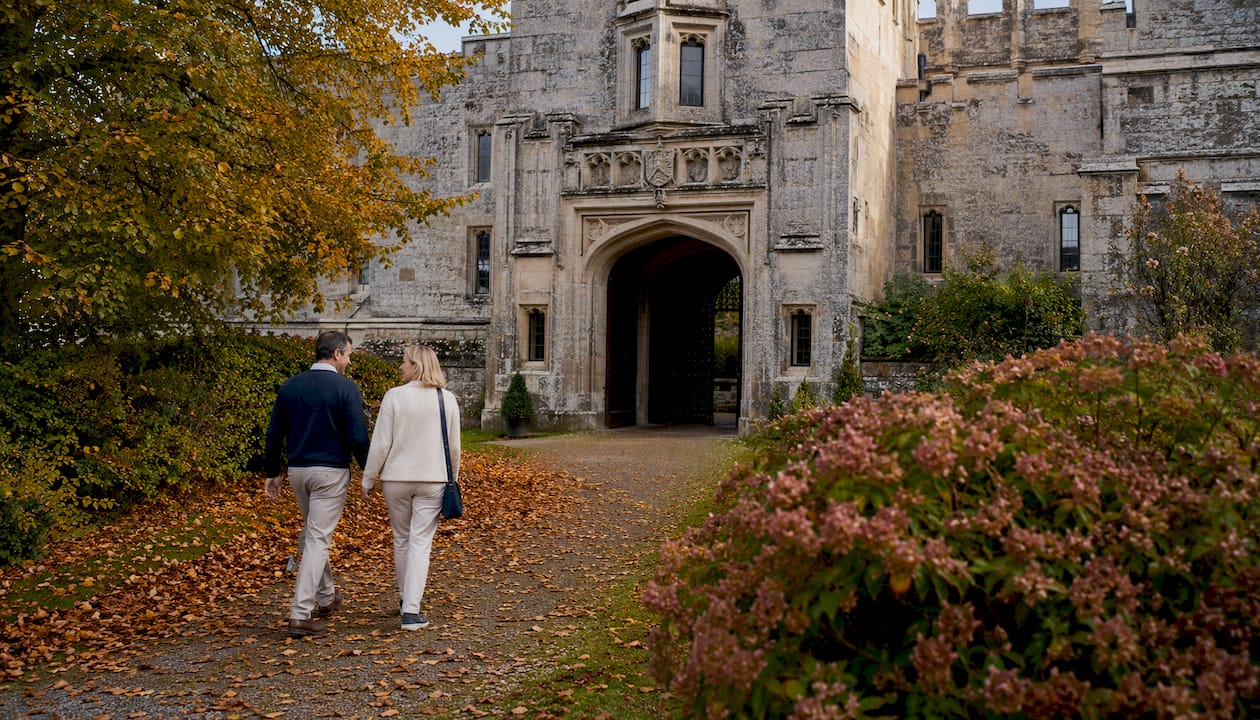
Castle Drogo is the last castle built in England, completed in 1930 and perched dramatically above the Teign Gorge on the eastern edge of Dartmoor. Managed by the National Trust, it draws visitors who want something genuinely different: a 20th-century castle that was always meant to be lived in, not defended. The combination of granite grandeur, intimate family rooms, and sweeping moorland views makes it one of Devon’s most rewarding days out.
Essential visitor details at a glance:
- Location: Drewsteignton, near Exeter, Devon, EX6 6PB
- Admission: Free for National Trust members; non-member adult tickets are priced at £17.00–£18.00, with children’s tickets at approximately £8.50–£9.00 in 2026
- Opening hours: The castle and gardens open seasonally; check the National Trust website for current times before travelling, as hours vary between winter and summer
- Parking: On-site and free for National Trust members with card scan
- Facilities: Café, shop, accessible routes, mobility scooter hire
- Main draws: Castle interior, formal gardens, Teign Gorge walks, and far-reaching moorland views
Pro Tip: Arrive before 11AM on summer weekends. The car park fills quickly, and the gorge walk is far more enjoyable before the midday crowds arrive.
The history behind Castle Drogo’s construction
The story of Castle Drogo begins with Julius Drewe, a self-made grocery magnate who retired at 33 after building the Home and Colonial Stores chain into one of Britain’s most successful retail businesses. Drewe believed, with some genealogical enthusiasm, that he was descended from a Norman baron named Drogo de la Beuvrière, and he wanted a family seat to match that lineage. In 1910, he commissioned Sir Edwin Lutyens, then at the height of his powers, to design a castle on a rocky promontory above the Teign Gorge.
What followed was one of the most ambitious and troubled building projects of the Edwardian era. Construction began in 1911, but the original plans were scaled back considerably as costs mounted, the First World War interrupted progress, and the post-war economic depression bit hard. The castle that eventually emerged in 1930 was roughly a third of Lutyens’ original vision. Julius Drewe died just a year after completion, never fully seeing the project realised in the way he had imagined.
The building’s claim to be the last castle constructed in England is well-founded. No comparable structure built in the castle tradition has been completed since. The Drewe family occupied it for decades before handing it to the National Trust in 1974, a transfer that secured its long-term preservation and opened it to the public.
Key historical milestones:
- 1910: Julius Drewe commissions Sir Edwin Lutyens
- 1911: Construction begins on the Dartmoor site
- 1914–1918: Work slows significantly during the First World War
- 1930: Castle completed, though at reduced scale
- 1931: Julius Drewe dies, just one year after completion
- 1974: The Drewe family transfers the castle to the National Trust
- 2012–2021: Major restoration programme to address chronic water ingress
What makes Castle Drogo’s architecture so unusual?
Lutyens designed Castle Drogo to look ancient but function as a comfortable family home, and that tension is visible everywhere you look. The exterior is pure granite, quarried locally and laid in massive blocks that echo the natural tors of Dartmoor. From a distance, the silhouette reads unmistakably as a castle: battlements, towers, and sheer walls dropping towards the gorge. Step inside, and the picture shifts.
The interior holds proper bathrooms, a fitted kitchen, and electric lighting from the outset. Lutyens threaded modern plumbing and wiring through walls that look as though they belong to the 14th century. The chapel, the library, and the drawing rooms all carry his signature: bold geometric forms, unexpected light sources, and a refusal to be purely decorative. Every room was designed to be used, not admired from a rope line.
The castle’s most persistent problem was also architectural. The flat roofs, a Lutyens hallmark, leaked almost from the day they were laid. Water ingress plagued the building for decades and ultimately prompted the National Trust’s major restoration, completed in 2021. The scaffolding that had wrapped the building for years finally came down, and visitors can now see Lutyens’ exterior exactly as he intended it, without obstruction.
Architectural details worth noticing on your visit:
- The portcullis and drawbridge, which are functional rather than purely decorative
- Lutyens’ use of light wells to bring natural light deep into the granite walls
- The contrast between the austere exterior and the warm, domestic interior rooms
- The chapel, modest in scale but precise in its detailing
- The kitchen, which retains its original fittings and gives a vivid sense of Edwardian domestic life
Gardens, grounds, and the Teign Gorge walk
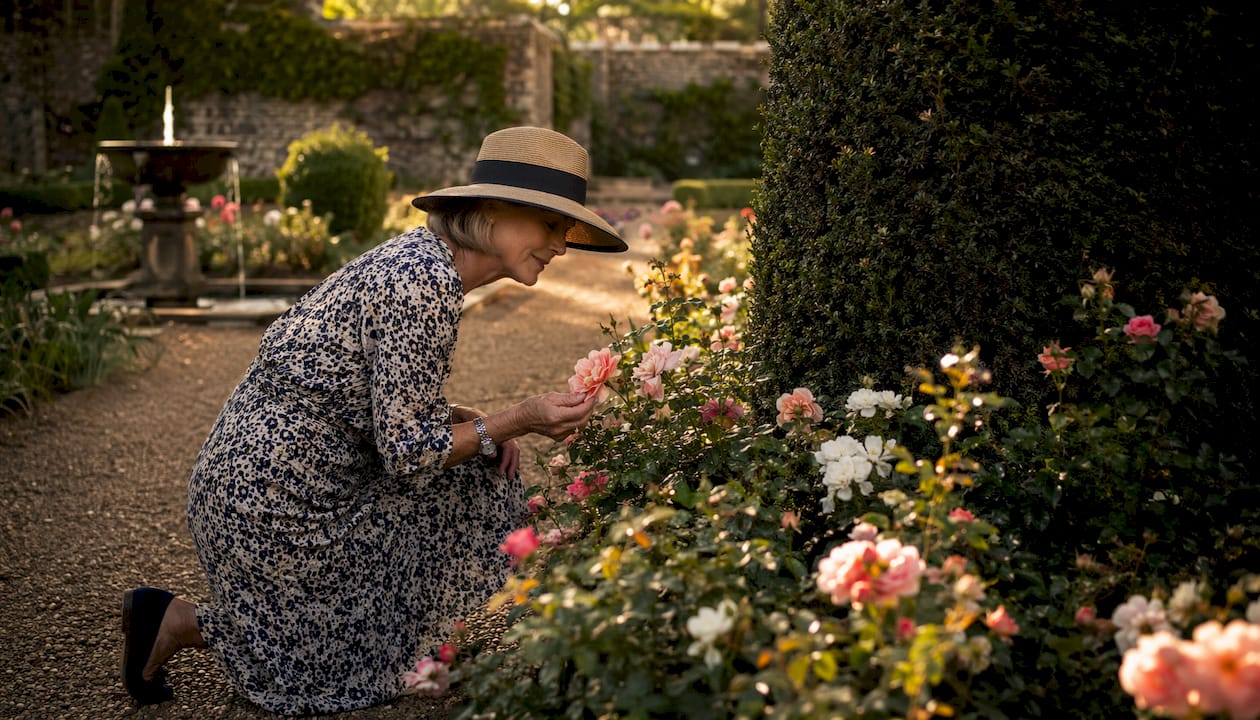
The gardens at Castle Drogo are formal in structure but feel anything but stiff. The main garden sits to the south of the castle and is divided into a series of rooms by yew hedges, with a circular croquet lawn at its centre. The rhododendron garden comes into its own in late spring, when the colour is genuinely spectacular against the granite backdrop. A small chapel garden offers a quieter, more contemplative corner of the grounds.
Beyond the formal gardens, the estate opens onto the Dartmoor landscape, and the walking here is some of the best in Devon. The Teign Gorge classic circuit is the standout route: approximately 6.5 km, taking around 2–3 hours, and following the River Teign down through ancient oak woodland to Fingle Bridge before climbing back up to the castle. The paths are steep and uneven in places, so sturdy walking boots are not optional.
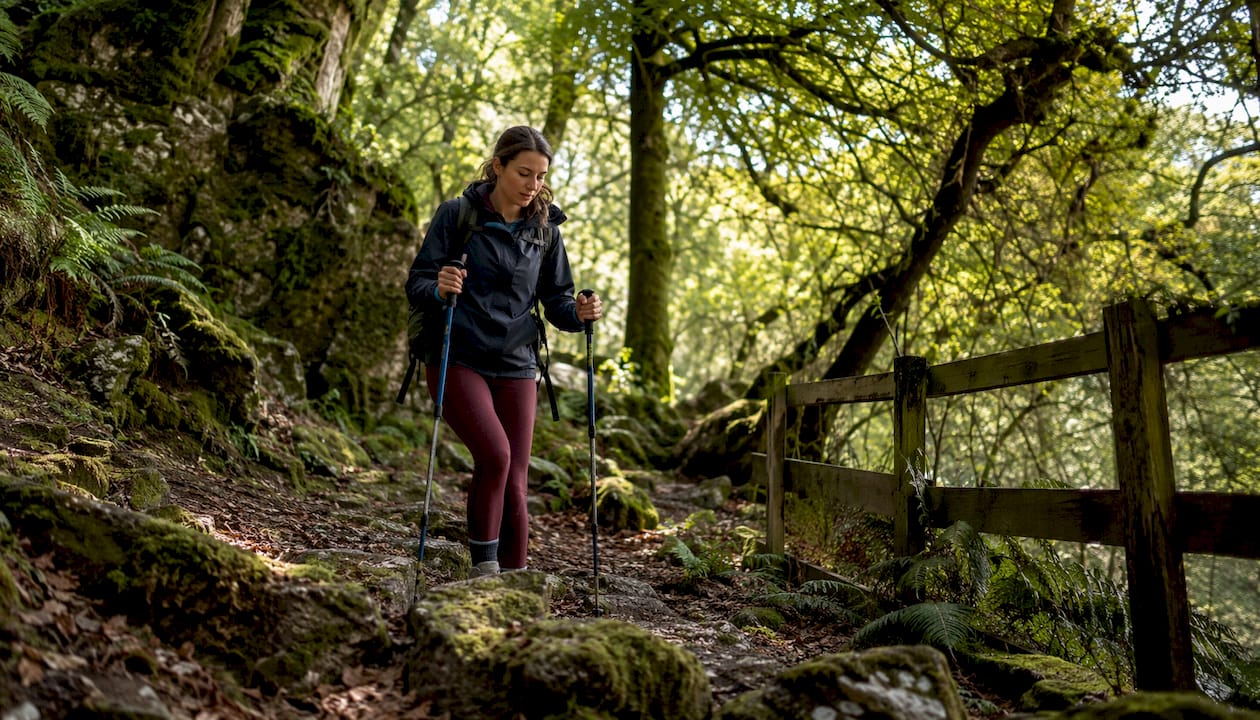
Pro Tip: Starting the walk from Fingle Bridge rather than the castle gives a gentler gradient on the ascent. Some paths become muddy after rain, so check the National Trust’s trail alerts before setting off.
| Walk detail | Information |
|---|---|
| Route name | Teign Gorge classic circuit |
| Distance | Approximately 6.5 km |
| Duration | 2–3 hours |
| Difficulty | Moderate; steep and uneven sections |
| Footwear | Sturdy walking boots recommended |
| Dog friendly | Yes, on leads in the formal gardens |
| Starting point | Castle Drogo car park or Fingle Bridge |
The National Trust manages the surrounding woodland as part of a wider commitment to the Teign Gorge ecosystem, maintaining the ancient oak canopy and monitoring the river habitat. For anyone interested in Devon’s natural landscapes, this stretch of the gorge is among the most beautiful in the county.
Making the most of your visit: facilities and practical tips
The on-site café is one of the better National Trust refreshment stops in Devon. It serves hot and cold drinks, light lunches, freshly baked goods, and traditional cream teas, which feels entirely appropriate after a circuit of the gorge. The café sits near the entrance and is accessible without paying castle admission, so it works as a standalone stop if you are walking the estate rather than visiting the interior.
Parking is free for National Trust members who scan their card on arrival. On busy summer days, the car park can fill by mid-morning, and visitors are asked not to block the driveway, which serves local residents as well as the estate. Non-members pay for parking separately from admission.
The castle is well set up for families and visitors with mobility needs. Mobility scooters are available to hire, and accessible routes cover much of the ground floor and gardens. Staff and volunteers are notably knowledgeable, going well beyond the standard room descriptions to share family history and architectural detail that you will not find in the printed guide.
Practical visitor tips:
- Book tickets online in advance during peak season to avoid queuing
- Allow at least three hours to see the castle interior and walk part of the estate
- The shop stocks locally sourced produce and gifts worth browsing on the way out
- Dogs are welcome in the grounds and on the gorge walk, but must be kept on leads in the formal gardens
- The castle interior requires some stair climbing; check the National Trust website for the full accessibility guide before visiting
Events and activities at Castle Drogo
Castle Drogo runs a varied programme of events throughout the year, shaped by the seasons and the estate’s character. Spring and summer bring guided garden tours that focus on the formal planting and the history of the rhododendron collection. The castle’s connection to the Drewe family history makes it a natural setting for talks and themed tours that go deeper than a standard self-guided visit.
Autumn is particularly good for family activities, with Halloween-themed trails through the grounds proving popular with younger visitors. The woodland setting lends itself to this kind of event in a way that more manicured properties cannot quite match. Winter sees the castle dressed for the period, with Christmas decorations that reflect Edwardian domestic life rather than modern excess.
The National Trust also runs regular conservation volunteering days at Castle Drogo, giving visitors a chance to contribute directly to the estate’s upkeep. These sessions cover everything from woodland management to garden maintenance, and they are open to people with no prior experience. For anyone who wants to explore more of what Devon’s heritage properties offer, Dartington Hall runs a similarly rich events calendar worth checking alongside your Castle Drogo plans.
Key takeaways
Castle Drogo stands apart from every other National Trust property in Devon because it is genuinely the last castle built in England, designed as a home rather than a fortress, and now fully restored after a decade of conservation work.
| Point | Details |
|---|---|
| Last castle in England | Completed in 1930, Castle Drogo holds a unique place in English architectural history. |
| Admission costs | Non-member adults pay £17.00–£18.00; National Trust members enter free. |
| Teign Gorge walk | The classic circuit covers approximately 6.5 km and takes 2–3 hours on uneven terrain. |
| Restoration completed | The National Trust’s major water ingress restoration finished in 2021, restoring the full exterior. |
| Best time to visit | Arrive before 11AM on summer weekends to secure parking and enjoy quieter trails. |