Dartington hall devon: top 10 attractions in 2026
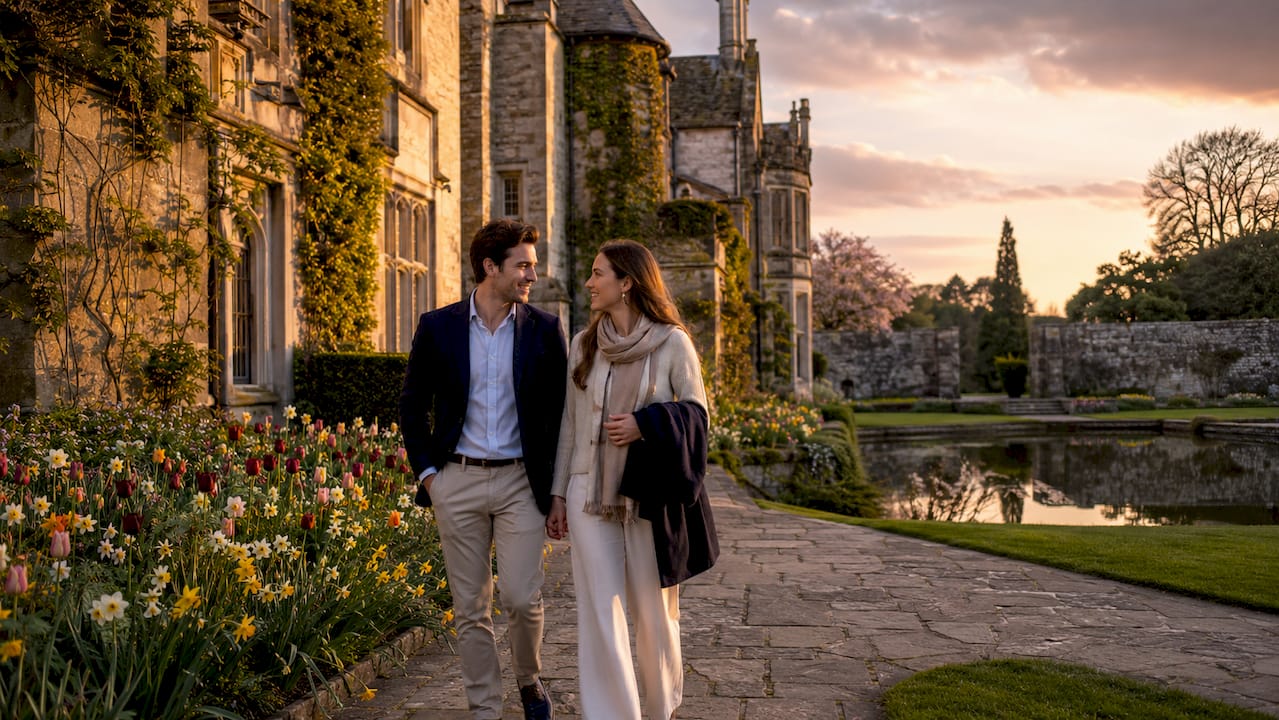
Dartington Hall Devon is a medieval estate of national significance, set within 800 to 1,200 acres of gardens, woodland, and parkland near Totnes. Founded in 1925 by Leonard and Dorothy Elmhirst, the estate combines Grade I listed architecture with a living cultural programme that includes live performances, artisan markets, independent shops, and a newly reopened pub. The grounds are open 365 days a year with free admission, making it one of the most accessible and rewarding heritage destinations in the South West. Whether you are visiting for the first time or returning after years away, there is always something new to discover here.
1. the great hall: dartington hall devon’s finest feature
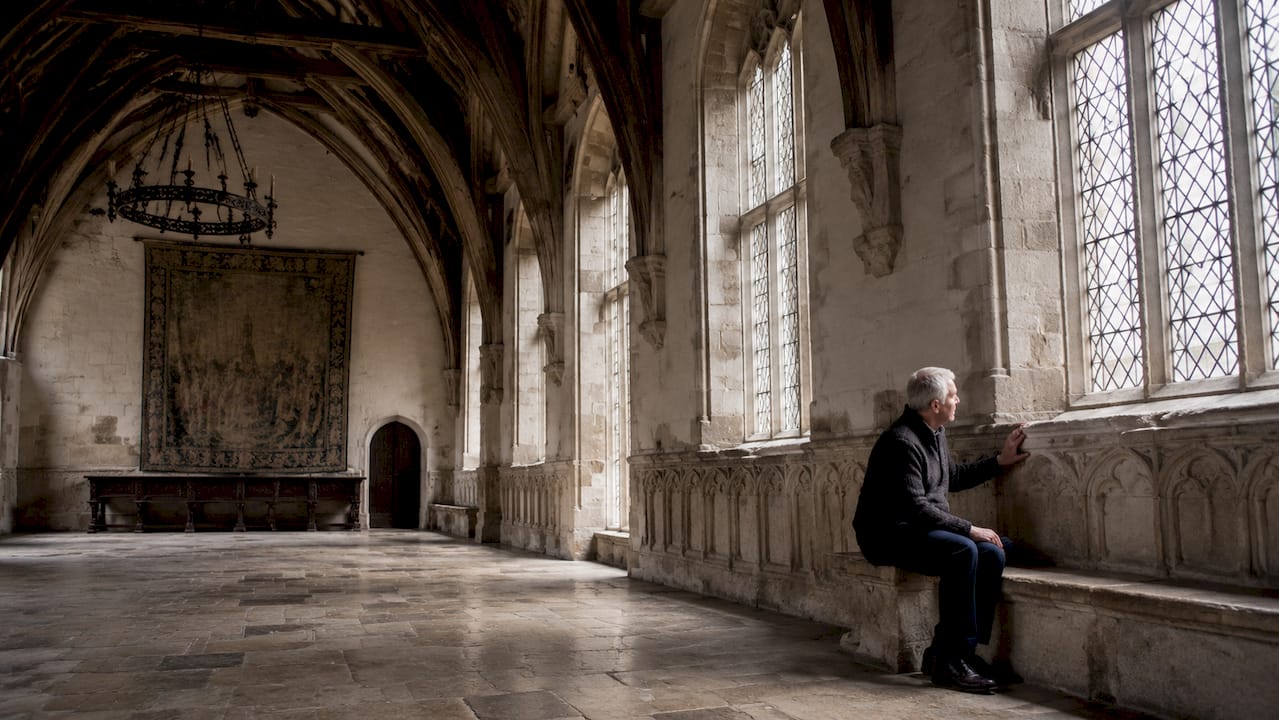
The Great Hall is the finest medieval domestic building of its date in England, according to architectural historian Nikolaus Pevsner. Its hammerbeam roof is a masterpiece of early domestic construction, illustrating techniques that were rare even in the 14th century. The hall was restored between 1926 and 1938 under the Elmhirsts’ direction, bringing it back from near ruin. Standing inside it, you get an immediate sense of why Dartington Hall history carries such weight in any serious account of English medieval architecture.
2. the gardens and formal landscapes
The gardens at Dartington are among the most varied in Devon, blending formal terraces, woodland planting, and open meadows across a substantial part of the estate. The Tiltyard, a large grass amphitheatre believed to date from the medieval period, is one of the most striking spaces on the grounds. Henry Moore’s Reclining Figure and other sculptures are placed throughout, turning a garden walk into an open-air gallery. The Grade II listed gardens reward slow exploration rather than a quick circuit.
Pro Tip: Visit the gardens in late spring when the magnolias and azaleas are at their peak. The colour against the grey stone of the medieval buildings is genuinely spectacular.
3. woodland walks and the river dart
Beyond the formal gardens, the estate opens into extensive woodland and riverside paths that follow the River Dart through quiet, shaded terrain. These walks are free to use and largely unmarked, which gives them a pleasingly unhurried quality. The river path in particular offers a very different experience from the formal grounds, with birdsong, dappled light, and the occasional glimpse of kingfishers. For anyone looking for things to do in Dartington that go beyond the buildings, these walks are the answer.
4. year-round cultural events and performances
Dartington Hall events run throughout the year, covering live music, theatre, talks, film screenings, and seasonal festivals. The estate has hosted major arts events since the 1930s, and that tradition continues through the Dartington Trust’s ongoing cultural programme. The estate supports creative events and social enterprises rooted in the Elmhirsts’ founding vision of uniting arts, education, and rural employment. Checking the events calendar before you visit is worth doing, as the programme changes seasonally and some events sell out quickly.
5. the white hart pub and restaurant
The White Hart pub and restaurant reopened on 1 April 2026, bringing a significant dining option back to the heart of the estate. It sits within the medieval courtyard and offers food and drink in surroundings that few pubs in Devon can match. The reopening reflects the Dartington Trust’s continued investment in the estate’s visitor experience. For those planning a full day out, the White Hart makes a natural centrepiece for lunch or an early evening meal. You can find more on local pub options across Devon through this Devon pubs guide.
6. the cider press centre
The Cider Press Centre is a cluster of independent shops and enterprises operating within the estate, covering crafts, food, homeware, and gifts. It is one of the better places in South Devon to find genuinely local and artisan products rather than generic souvenirs. The shops reflect the estate’s long commitment to supporting small creative businesses. Dartington arts and crafts have been part of the estate’s identity since the Elmhirsts first began attracting artists and makers to the site in the late 1920s.
7. the barn cinema
The Barn Cinema at Dartington shows independent films, documentaries, and special screenings throughout the year. It operates as a proper community cinema rather than a multiplex, with a programme that reflects the estate’s cultural values. The building itself is worth seeing, as it occupies a converted barn within the historic courtyard. For visitors who want to combine a walk with an evening out, the Barn Cinema makes Dartington a genuinely full-day destination.
8. bed and breakfast in the medieval courtyard
Overnight stays are available within the historic medieval courtyard buildings at Dartington Hall, offering a genuinely rare experience for those looking at places to stay in Devon. Waking up inside a Grade I listed medieval estate is not something most hotels near Dartington Hall can replicate. The accommodation is modest rather than luxury, but the setting more than compensates. Staying on site also gives you access to the grounds in the early morning and evening, when the estate is at its most peaceful.
9. historical tours and the estate’s social legacy
Guided tours and exhibitions at Dartington tell the story of the Elmhirsts’ extraordinary social experiment, which drew artists, educators, and thinkers from across the world to a working Devon estate. The Dartington Trust continues to evolve the estate through arts, education, and sustainable businesses, keeping that founding vision alive. The history here is not confined to the medieval period. The 20th-century story of Dartington is equally compelling, covering progressive education, rural regeneration, and the intersection of art and community. We recommend the Devon art and culture guide for broader context on Dartington’s place in Devon’s creative scene.
10. community festivals and artisan markets
Dartington hosts regular artisan markets and community festivals that draw producers, makers, and visitors from across Devon and beyond. These events reflect the estate’s identity as a living, working site rather than a preserved museum. The markets in particular are excellent for local food, ceramics, textiles, and seasonal produce. They also give you a sense of the community that has grown up around the estate over the past century, which is something no amount of reading about Dartington Hall history can fully convey.
How accessible is dartington hall for visitors?
Dartington is genuinely welcoming, but it helps to arrive prepared. The formal gardens are largely accessible for wheelchair users, though some paths are uneven. The wider estate includes hilly terrain and paths that can become muddy after rain, so suitable footwear is strongly advised.
Key practical points:
- Admission: Free entry to the grounds, 365 days a year
- Parking: Free car park on site, well signposted from the A384
- Dogs: Well-behaved dogs are welcome but must be kept on leads in most areas
- Facilities: Cafés, the White Hart pub, and the Cider Press Centre shops are all on site
- Transport: Totnes railway station is approximately two miles away, with regular bus connections
Pro Tip: Arrive early on weekends if you want the courtyard and gardens to yourself. By mid-morning in summer, the estate fills up quickly, particularly during events.
Why dartington stands apart from other south devon attractions
| Feature | Dartington Hall | Typical Heritage Site |
|---|---|---|
| Architecture | Grade I medieval, restored 1926–1938 | Often static, museum-focused |
| Cultural programme | Year-round events, cinema, markets | Seasonal or limited |
| Natural landscape | 800–1,200 acres of gardens and woodland | Usually small grounds |
| Community use | Active social enterprises and tenants | Visitor-only access |
| Accommodation | On-site medieval courtyard rooms | Rarely available on site |
“The blend of historic medieval architecture with 20th-century social experimentation offers a distinctive visitor experience unmatched by typical heritage sites.” — Cofton Holidays
Most heritage attractions in Devon offer either history or nature. Dartington Hall offers both, and adds a living cultural programme on top. The founders’ vision of combining arts, education, and rural employment was radical in 1925. It remains the defining characteristic of the estate today. No other attraction in South Devon operates at this scale across so many different dimensions simultaneously.
Key takeaways
Dartington Hall Devon is the most multi-dimensional heritage and cultural destination in South Devon, combining medieval architecture, extensive natural grounds, and a year-round arts programme within a single free-entry estate.
| Point | Details |
|---|---|
| Free and open year-round | The grounds are open 365 days a year with no admission charge. |
| Great Hall is nationally significant | Pevsner described it as the finest medieval domestic building of its date in England. |
| Cultural programme is active, not archival | Events, cinema, markets, and festivals run throughout the year. |
| Accommodation is available on site | Bed and breakfast rooms sit within the medieval courtyard buildings. |
| Practical preparation matters | Wear sturdy footwear and check the events calendar before you visit. |
Why dartington stays with you long after you leave
I have visited a fair number of Devon’s heritage sites over the years, and most of them leave you with a pleasant afternoon and a few photographs. Dartington Hall does something different. The scale of the place takes time to absorb. The first visit, I spent most of my time in the formal gardens and the Great Hall and felt I had barely scratched the surface. The second visit, I walked the river path and spent an hour in the Cider Press Centre. The third time, I stayed overnight in the courtyard and attended an evening performance in the barn.
What strikes me most is that Dartington resists being summarised. It is not a stately home, not a country park, not an arts centre, and not a village. It is all of those things at once, and the tension between them is what makes it interesting. The Elmhirsts’ original ambition was genuinely unusual: to create a place where art, education, and productive work existed side by side. That ambition is still visible in the fabric of the estate today.
My honest advice is to give it a full day rather than a half-day. Bring a picnic if the weather looks reasonable. Walk further than you think you need to. And if there is an event on during your visit, go to it. The estate reveals itself most fully when it is in use.
— Mark
Plan your devon visit with Thedevondrop
Dartington Hall is a brilliant anchor for a wider Devon trip. Pair it with a spa day, a winery tour, or a night in a country hotel and you have a genuinely memorable break rather than a single afternoon out.

Thedevondrop brings together the best local Devon experiences in one place, from dining and spa retreats to weekend stays and outdoor activities. If you are planning a trip around Dartington Hall or exploring South Devon more broadly, browse Devon experiences to find something that fits your plans. For a broader view of what the county has to offer, the best Devon places to visit guide is a good starting point. Supporting local Devon businesses makes every visit more rewarding for everyone involved.
FAQ
Is dartington hall free to visit?
Yes. The grounds at Dartington Hall are open every day of the year with free admission. Some events and performances require tickets.
Can you stay overnight at dartington hall?
Bed and breakfast accommodation is available within the historic medieval courtyard buildings. It is advisable to book in advance, particularly during busy event periods.
How far is dartington hall from totnes?
Dartington Hall is approximately two miles from Totnes town centre. Totnes railway station is on the main line between Exeter and Plymouth, making the estate accessible without a car.
What events does dartington hall host?
The estate runs a year-round programme including live music, theatre, artisan markets, film screenings at the Barn Cinema, and seasonal festivals. The White Hart pub reopened in april 2026, adding a dining venue to the courtyard.
Are dogs allowed at dartington hall?
Well-behaved dogs are welcome on the estate but must be kept on leads in most areas. The extensive grounds and riverside walks make it a popular destination for dog owners across Devon.