Farmers markets in Devon: your 2026 guide
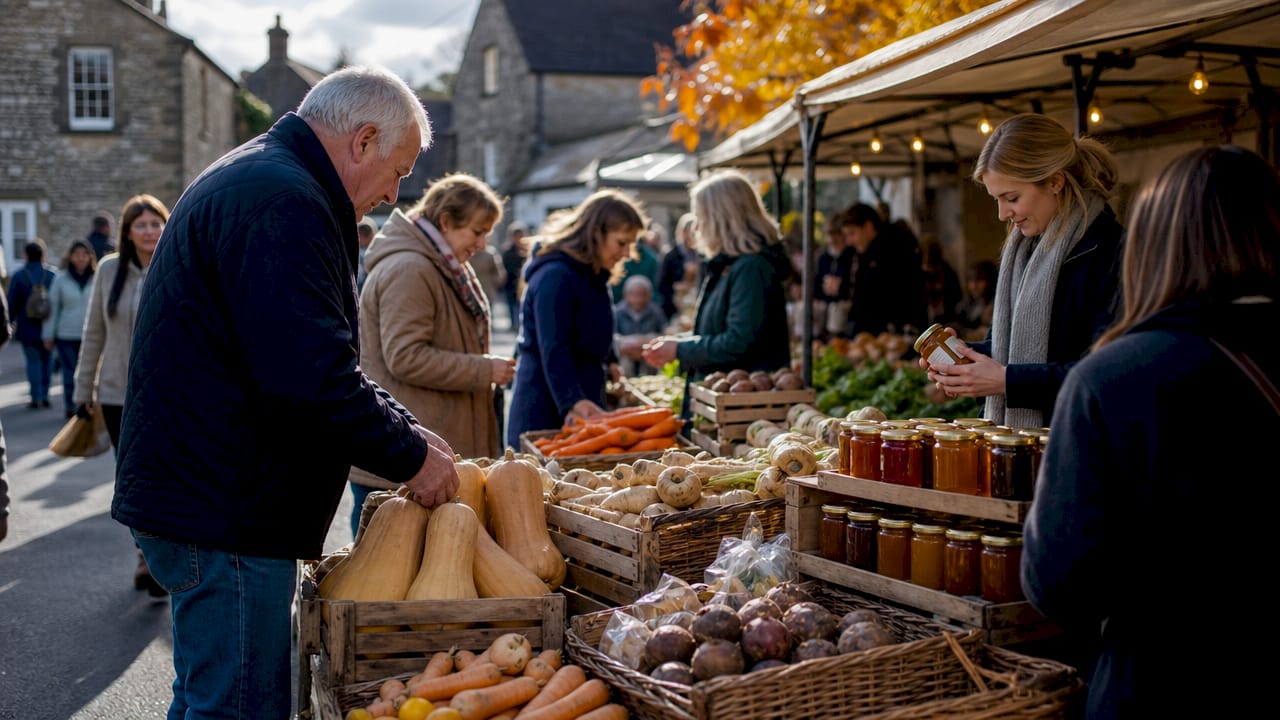
A farmers market is defined as a regular outdoor or indoor market where producers sell food and goods they have grown, reared, or made themselves, directly to the public. Devon’s farmers markets are among the most varied and well-attended in the South West, drawing locals and visitors alike with fresh seasonal produce, artisan goods, and a genuine sense of community. True farmers markets, as recognised by FARMA (the Farmers’ and Artisan Markets Association), require stallholders to sell only their own produce, which separates them from general street markets that may include wholesale resellers. From the weekly Thursday market in Exeter city centre to the monthly gatherings at Exeter Quayside and the seasonal charm of Dulverton, Devon’s farm markets offer something worth seeking out all year round.
What are the top farmers markets in Devon?
Devon’s calendar of weekly and monthly markets is rich enough to fill a year of Saturday mornings. The markets below are the most established, each with a distinct character and regular schedule.
- Exeter Farmers’ Market runs every Thursday, 9am to 2pm, in the city centre with over 30 local producers. It is the most accessible weekly farmers market in Devon for residents and visitors staying in the city.
- Exeter Quayside Farmers’ Market takes place on the third Saturday of each month, 9am to 1pm, at Piazza Terracina. The 2026 dates are pre-published, making it easy to plan ahead. Up to 30 producers attend, and the december Christmas market is especially popular for festive hampers and seasonal gifts.
- Dulverton Farmers Market runs on the last Saturday of each month from april to september, 10am to 2:30pm, at Lion Stables Car Park. Entry is free, and the stalls typically include local meats, cheeses, ales, and crafts from the Exmoor area.
- Totnes hosts a regular market with a strong focus on organic food and independent producers, reflecting the town’s long-standing food culture.
- South Molton runs a traditional pannier market that includes local produce alongside general goods, set in a covered Victorian market hall.
- Dartmouth and Kingsbridge both hold periodic markets with strong representation from South Devon’s fishing and farming communities, including fresh fish, aged cheeses, and locally pressed cider.
Pro Tip: Check local council websites and community Facebook groups alongside the FARMA directory for the most current schedules. Many smaller Devon markets do not appear on major tourism pages but are listed locally.
What makes Devon farmers markets special?
Devon’s farm markets stand apart from general street markets because of one defining rule: stallholders sell only what they produce themselves. That rule, central to FARMA certification, creates a level of transparency and trust you simply do not get from a market stall selling wholesale fruit and vegetables.
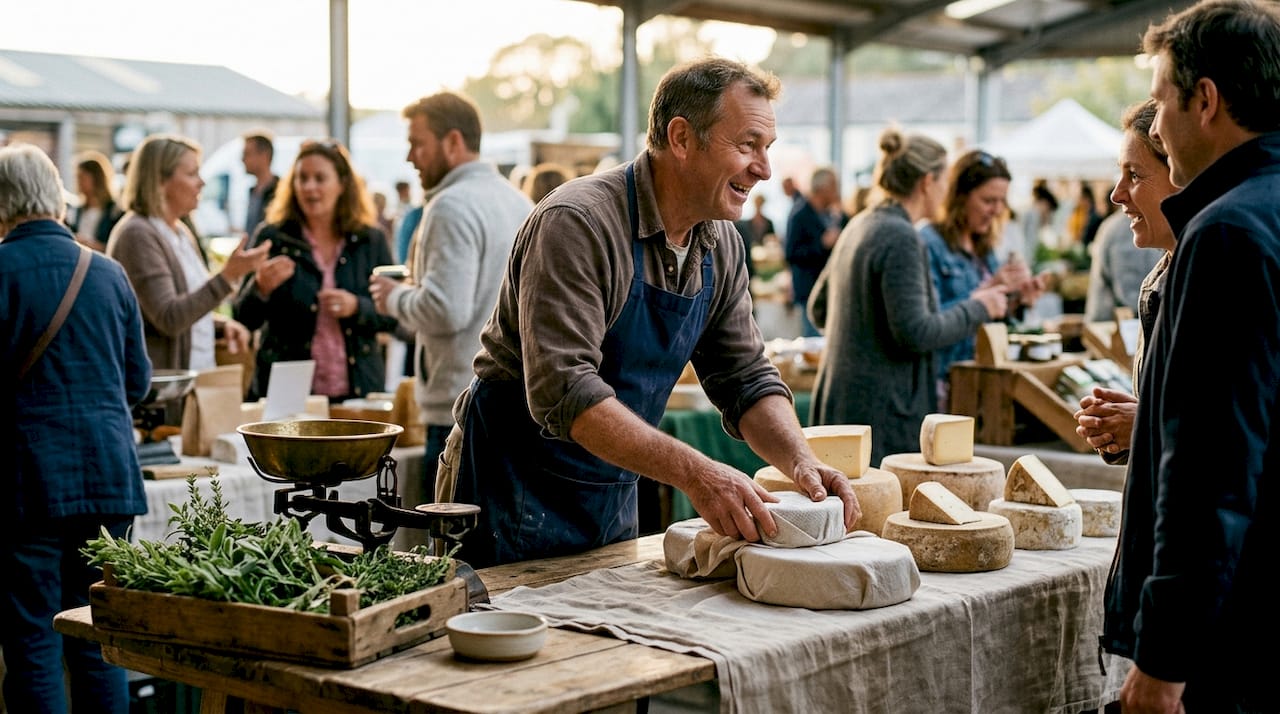
The produce reflects Devon’s agricultural strengths. Dartmoor beef and lamb appear regularly, alongside raw milk cheeses from small dairies, sourdough and rye breads from wood-fired bakeries, and ciders pressed from orchards across the county. Preserves, chutneys, and pickles made from surplus seasonal crops fill the gaps between the fresh produce stalls. You will also find cut flowers, handmade candles, and beeswax products from producers who have been attending the same markets for years.
The social side of these markets
Devon’s farmers markets function as what sociologists call “third places.” These are social spaces that sit outside the home and the workplace, where people gather without a fixed agenda. The markets support economic resilience across Devon’s rural communities, particularly during quieter months when footfall in town centres drops. That economic role matters as much as the produce itself.
The atmosphere at a Devon farm market is unhurried. Producers talk freely about their farming methods, the breed of cattle they rear, or the apple varieties in their cider blend. That conversation is part of the experience, and it connects you to the food in a way that a supermarket shelf never can.
Pro Tip: Ask stallholders directly about their farming methods. Producers at certified markets are almost always happy to explain how their food is grown or made, and those conversations often lead to the best purchases.
How to make the most of your visit
Getting the most from a Devon farmers market visit comes down to timing, preparation, and a willingness to talk to the people behind the stalls.
- Arrive early. Popular items sell out before official closing time. Artisan breads, soft fruits in summer, and heritage vegetable varieties are gone by mid-morning at busy markets.
- Bring reusable bags. Most stalls do not provide plastic or paper carriers. A sturdy canvas bag or a folding crate makes a real difference when you are carrying jars, bottles, and loose vegetables.
- Use the FARMA directory alongside local council pages and community Facebook groups to find accurate, up-to-date schedules. Rural markets in particular can change dates or locations at short notice.
- Carry some cash. Most stalls at larger markets now accept card payments, but smaller rural markets and individual producers sometimes operate cash only. A mix of both keeps you covered.
- Plan around the market, not the other way around. If you are visiting Devon for a weekend break, build your itinerary around a Thursday in Exeter or a third Saturday at the Quayside rather than hoping a market happens to coincide with your plans.
The producers at Devon’s markets are not sales people. They are farmers, bakers, and cheesemakers who have been up since before dawn. Treating the market as a place to have a conversation, not just a transaction, is the single best way to get more from the experience.
When is the best time to visit Devon farmers markets?
Devon’s markets run year-round, but the produce and atmosphere shift significantly with the seasons. Knowing what to expect in each season helps you time your visit for what matters most to you.
| Season | Seasonal highlights | What to look for |
|---|---|---|
| Spring (March–May) | Early salad leaves, asparagus, rhubarb | Aged cheeses, preserved goods from winter |
| Summer (June–August) | Soft fruits, courgettes, flowers, herbs | Artisan ice cream, fresh bread, cut flowers |
| Autumn (September–October) | Root vegetables, squash, apples, pumpkins | Ciders, preserves, jams, and chutneys |
| Winter (November–February) | Limited fresh produce | Gift hampers, aged meats, festive baked goods |
Autumn is the peak season for variety and volume at Devon’s farm markets. September and october bring squash, root vegetables, heritage apples, and a full range of preserves made from the summer surplus. The stalls are at their most colourful and the choice is at its widest.
Summer markets attract the largest crowds, particularly at Exeter Quayside where the riverside setting adds to the occasion. The december Christmas market at the Quayside draws visitors specifically for festive hampers, seasonal baked goods, and local gift ideas. Winter markets are quieter but no less worthwhile, with aged cheeses, cured meats, and artisan preserves making excellent purchases.
Spring is the most underrated season for a market visit. Early rhubarb, the first asparagus of the year, and the return of fresh salad leaves after winter feel genuinely exciting when you buy them directly from the grower who planted them.
Key takeaways
Devon’s farmers markets are the most direct route to fresh, locally produced food and genuine community connection across the county.
| Point | Details |
|---|---|
| FARMA certification matters | Certified markets guarantee stallholders sell only their own grown or made produce. |
| Exeter leads for frequency | Exeter Farmers’ Market runs every Thursday, making it the most accessible weekly option. |
| Arrive early for best choice | Popular items like artisan bread and soft fruits sell out well before closing time. |
| Autumn is peak season | September and october offer the widest variety, from squash to cider and preserves. |
| Use local sources for schedules | FARMA directory, council websites, and Facebook groups carry the most accurate market dates. |
Why Devon’s markets deserve more than a passing visit
I have spent a good number of years visiting markets across Devon, from the Quayside on a cold november morning to a small village market on Exmoor where the stallholder was also the farmer, the driver, and the person who made the cheese. What strikes me every time is how different the experience is from anything you can replicate in a shop.
The conversation is the part most visitors underestimate. When you ask a Dartmoor beef farmer how long they hang their meat, or ask a cider maker which apple varieties they blended this year, you get an answer that changes how you think about what you are buying. That knowledge travels home with the food.
My honest view is that too many people visit Exeter’s Thursday market as a quick detour rather than a destination. The market rewards a slower pace. Spend an hour, talk to five or six producers, and you will leave with a better understanding of Devon’s food culture than any restaurant menu can give you. The rural markets, particularly Dulverton, are even more rewarding for that reason. They are smaller, less polished, and entirely genuine.
The economic argument for buying at these markets is real too. Money spent directly with a Devon producer stays in Devon. That matters in a county where small farms and food businesses face real pressure from supermarket pricing. Choosing a market over a supermarket run is not a lifestyle statement. It is a practical act of support for the people who grow the food this county is known for.
— Mark
Planning your Devon food experience
Devon’s farmers markets sit at the heart of a wider food culture that includes some of the South West’s best restaurants, pubs, and local producers.

Thedevondrop brings together the best of Devon’s dining, leisure, and local experiences in one place. Whether you are planning a weekend around the Exeter Quayside market or looking for a spa retreat to complement a day of market browsing, the site covers the full picture. For dining experiences that use the same local produce you find at Devon’s markets, the Devon Drop is the place to start. From a three-course dinner at The Cary Arms to weekend stays across the county, it connects the best of Devon’s food and leisure scene in one straightforward guide.
FAQ
What is a FARMA-certified farmers market?
A FARMA-certified farmers market requires stallholders to sell only produce they have grown, reared, or made themselves. This distinguishes authentic farmers markets from general street markets that may include wholesale resellers.
When does Exeter Farmers’ Market run?
Exeter Farmers’ Market runs every Thursday from 9am to 2pm in the city centre, with over 30 local producers attending regularly.
How do I find farmers markets in rural Devon?
The FARMA directory is the most reliable starting point, but local council websites and community Facebook groups often carry the most current schedules and any last-minute changes for smaller rural markets.
What is the best season to visit Devon farmers markets?
Autumn, particularly september and october, offers the widest variety of seasonal produce including root vegetables, squash, heritage apples, ciders, and preserves. Summer markets are the busiest and most atmospheric.
Do Devon farmers market stalls accept card payments?
Most stalls at larger markets like Exeter Farmers’ Market accept card payments, but smaller rural markets often prefer cash. Carrying both is the safest approach.