
Every September, England runs a quiet and rather wonderful experiment: for ten days, thousands of buildings that are normally locked, private or ticketed simply open their doors and let you in for nothing. Heritage Open Days — the country's largest festival of history and culture — returns from 11 to 20 September this year, and Devon's list is one of the best we can remember. This year's national theme is "Everyday Histories": the working lives that actually built these places, from weavers' halls to water-powered forges. For a county whose fortunes were made by wool, water, tin and boats, it could hardly fit better.
Everything below is free to attend. Some venues you can wander into; others ask you to book a place in advance, so we've flagged the difference as we go. The full Devon list lives on the Heritage Open Days website, but here is where we'd start.
Exeter, above ground and below it
Exeter takes the festival seriously, and the headline act is underneath the city. The Underground Passages — the medieval vaulted tunnels built to carry fresh drinking water into Exeter, and a tour quite unlike anything else in Britain — are normally a ticketed attraction, but go free during the festival. Advance booking is strongly recommended, because word got out about this one years ago.
Back in daylight, Fore Street hides one of the city's least-known treasures. Tuckers Hall has belonged to the Incorporation of Weavers, Fullers and Shearmen since 1471, when the guild that regulated Exeter's woollen cloth trade was granted the plot by William and Cecilia Bowden. The trade made Exeter one of the great cloth cities of Europe, and the hall still carries the evidence — including medieval wall paintings discovered hiding beneath the oak panelling during renovations in 1931. The Guildhall down the hill, one of the oldest civic buildings in England and still in use after more than eight centuries, opens too, and the city's famous Red Coat guides run themed festival walks — the Exeter Blitz and Writers in Exeter among them — with bookings that opened in late August and go quickly.
The working county
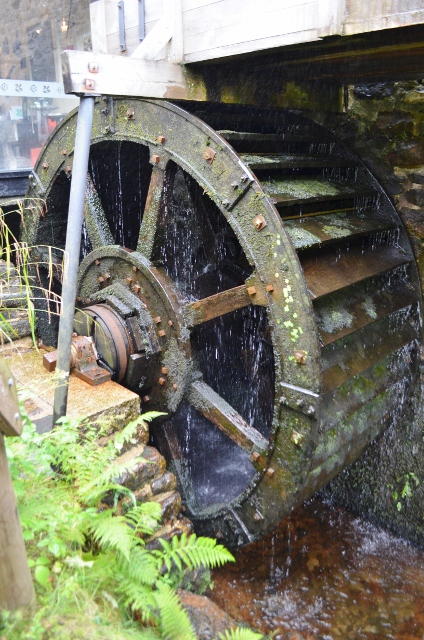

If "Everyday Histories" means anything in Devon, it means places where things were actually made. At Sticklepath, on the northern edge of Dartmoor, Finch Foundry is the last working water-powered forge in England — a Victorian family business that turned out edge tools for the county's farms and mines, its machinery still driven by water taken off the River Taw. When the trip hammers are running, you feel them through the floor before you hear them. It is loud, faintly dangerous-looking and completely mesmerising, and it makes the point better than any museum case could: this is what work sounded like.
The same spirit runs right through this year's Devon list. At Branscombe, the thatched Manor Mill in its impossibly pretty combe opens on 20 September (booking preferred). Bideford makes a proper day of it: Bridgeland Street — the town's handsome merchant street — holds an open day on 17 September, the Bideford Railway Heritage Centre runs open days at the old station, and down on the Torridge the volunteers of SS Freshspring, a steamship built in 1946 for the Royal Fleet Auxiliary and now a floating museum, will happily talk rivets until the tide turns. And at Buckfastleigh — the same small town whose Victorian open-air pool featured in our guide to Devon's lidos and sea pools — the South Devon Railway joins the festival, steam and all, on its lovely line along the Dart to Totnes.
Tavistock, meanwhile, is quietly becoming one of the festival's Devon strongholds. The town's Guildhall opens through the festival, the Heritage Centre hosts a run of talks — the opening night's, on 11 September, digs into Ordgar, Ordulf and Ælfthryth and the very beginnings of the town — and on 16 September there's a guided walk up Bannawell, billed as the street that made Tavistock. Most of the Tavistock events ask you to book, and the local programme is strong enough to justify the drive west.
Houses with stories
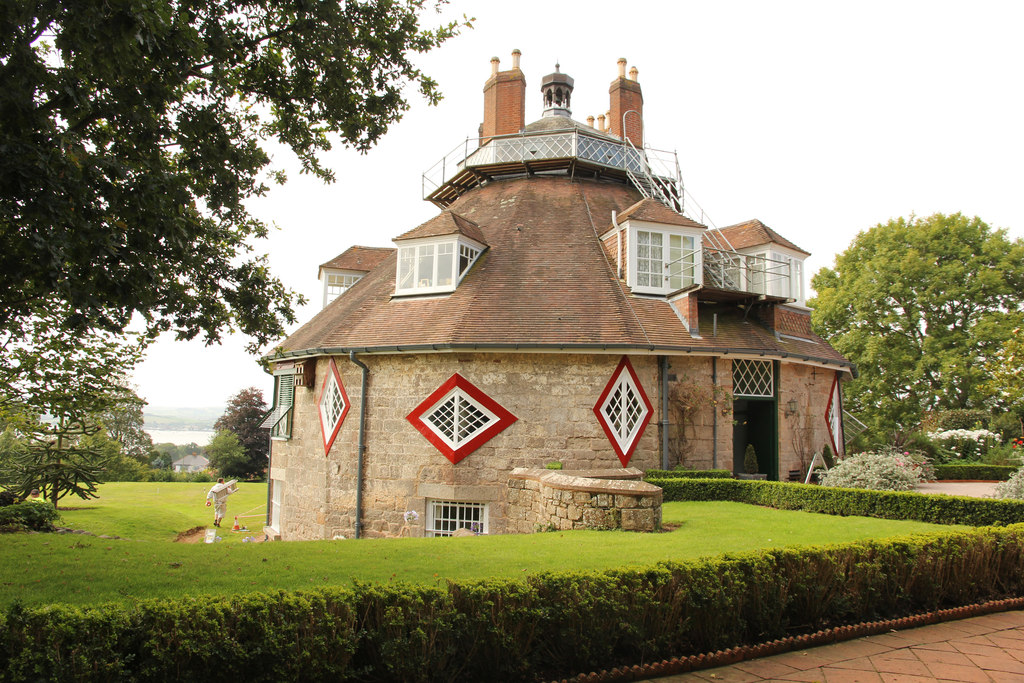

Devon's grander houses join in too, and three stand out. A la Ronde, above the Exe near Exmouth, opens for the festival on 19 September and remains the strangest and most likeable house in the county: sixteen sides, built for cousins Jane and Mary Parminter after their European grand tour, its design inspired by the Byzantine basilica of San Vitale at Ravenna. Inside is the work of the cousins' own hands — a gallery encrusted with shells, a feather frieze in the drawing room — and behind it one of history's great wills: Mary left the house on condition it passed only to unmarried female relatives, contents intact. It worked; that's why we can still see it.
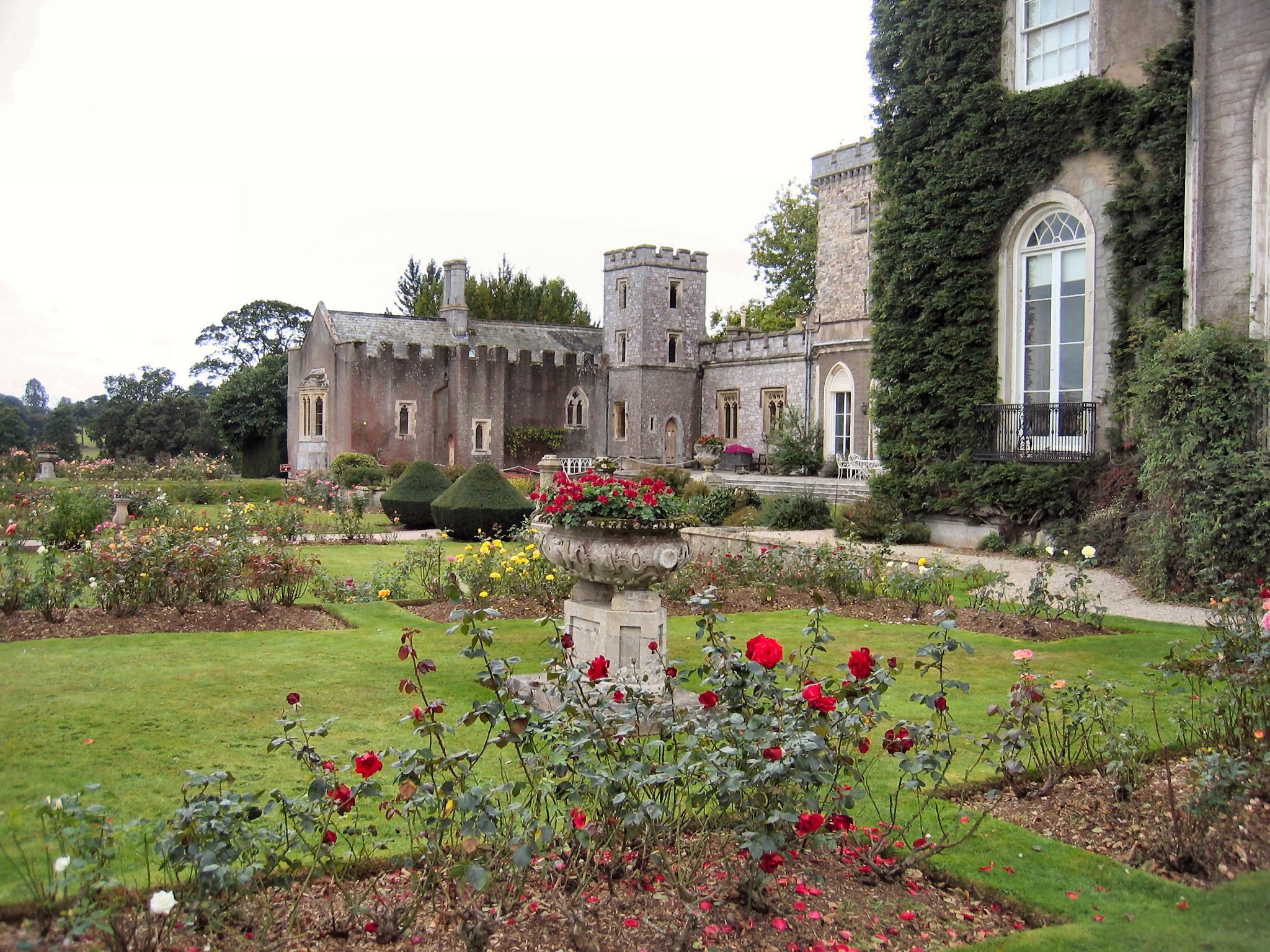
Rarer still is the chance to walk through Mothecombe. The Grade I listed Queen Anne house on the private Flete estate, above one of the South Hams' quietest beaches, offers a guided tour on 16 September — pre-booking required, and worth setting a reminder for, because private houses of this quality almost never open. Powderham Castle at Kenton needs less introduction: begun in 1391 by Sir Philip Courtenay, home to the same family for more than six centuries, with its deer park running down to the Exe estuary. Seeing it in festival season, with the summer coach parties gone, is the way to do it.
The oddments — often the best bit
The joy of Heritage Open Days has always been the small, strange openings that fit no category. This year Devon offers plenty. Newton Abbot's Alexandra Theatre runs backstage tours on 17 and 18 September — ropes, wings, dressing rooms, the working half the audience never sees. At Bampton, near Tiverton, the church tower opens on 20 September for those with the legs for it. On the festival's first evening, 11 September, there's an after-dark bat session at Blackbury Camp, the Iron Age hill fort in the woods near Colyton — booking required, torches optional, atmosphere guaranteed. And the National Trust weighs in across the county: Killerton and its orchards outside Exeter, along with Arlington Court and its carriage museum in the north, Saltram outside Plymouth, Knightshayes at Tiverton and the gorge at Lydford all appear on this year's Devon list.
Making a plan
A few practical notes from experience. The festival splits roughly in two: churches, halls and open days you can simply turn up to, and tours — the Passages, Mothecombe, the theatre, the bats — that need booking ahead, some of them well ahead. The Heritage Open Days website lets you search everything happening in Devon by date and place, and it's worth a browse beyond our picks: new venues join every year, and the county list runs long — Exmouth Museum, Teignmouth's Teign Heritage Centre, Kirkham House in Paignton and Hemyock Castle all appear on this year's programme, and that's before you reach the one-off talks and walks. If you'd rather let someone else do the choosing, Exeter has even produced an audio tour for the occasion, sharing its name with the festival theme: Everyday Histories, picked up at the Guildhall and walked at your own pace.
Mostly, though, we'd say this: go. Mid-September is Devon at its best — the school-holiday crowds gone, the sea still holding its summer warmth, the lanes quiet again — and for ten days the county's locked doors come off the latch. The people standing inside them, volunteers almost to a one, know more about their patch of Devon than any guidebook, and for one week and two weekends a year, all they want is someone to tell.