
There is a fortnight, somewhere between the end of the school holidays and the first proper storm of autumn, when Devon quietly changes trade. The beach kit goes back under the stairs, the lanes fill with tractors, and in farmyards from the Creedy valley to the banks of the Dart, the county gets on with the thing it has done every September for centuries: turning apples into cider. If you have only ever bought Devon cider from a supermarket shelf, this is the month to go and find it at the source — the mills and farm gates are waking up, the first fruit is coming in, and the whole enterprise smells wonderful.
The village that bottled itself
Start with a pilgrimage, because Devon cider has a capital and it is Whimple. From 1891 and for almost a hundred years afterwards, this small East Devon village was home to Whiteway's, a cider factory whose bottles travelled a very long way from the orchards that fed it — along with sideline inventions like Peardrax, which older readers may remember fondly. The factory is gone, but the village has not let go of the story: the Whimple Heritage Centre keeps what is probably the largest collection of Whiteway's memorabilia anywhere, from enamel signs to factory photographs, and it is a lovely, oddly moving little museum. The orchards outlived the factory too. Two miles away at Clyst St Lawrence, Ventons Devon Cyder now makes its cider from trees that once formed part of the old Whiteways estate — pressed on a home-built twin-screw oak press, filtered through barley straw, fermented on nothing but the wild yeasts that come in on the apple skins, and matured in oak. It is about as far from a factory as cider gets, made two miles from where the factory stood. And Whimple still wassails its orchards every January, singing to the trees to bring on the next crop.
The mill that woke up
Crediton's cider history hides in plain sight on the north side of a steep hill, where the vat house of the old Cider Works is cut directly into the slope to keep the fermenting juice cool. A mill run by the Burrows family stood here before the current buildings went up in the early 1930s, and the Creedy Valley Cider company that operated it was good enough to take the top two places in the world's longest-running cider awards in 1952. Then came consolidation: bought out in the sixties, the mill fell silent under Bulmer ownership in 1967. It stayed that way for nearly half a century, until Barny Butterfield and Sandford Orchards took the keys in 2014 and brought the apples back. They call it the oldest working cider mill in Britain, and standing in the vat house you believe it. The best way in is one of their tours and tastings, or the taproom that opens at the end of the week — pizza oven going, cider poured yards from where it fermented. Check opening times before you travel; this is a working mill first and a venue second, never more so than at pressing time.

A press changes hands on the Exe
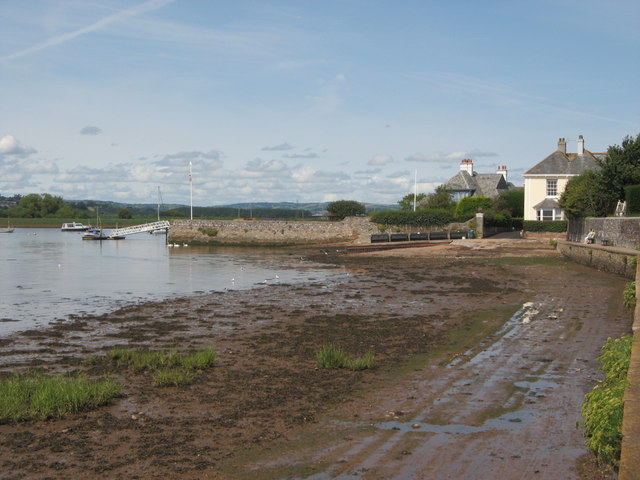
On the other side of Exeter, the cider story runs through a food hall. Darts Farm at Topsham was home for many years to Green Valley Cyder, whose makers Nick and Chris pressed and blended in the barn behind the shop until 2018, when they handed their historic press — a machine Darts Farm dates to around a century old — to Barny of Sandford Orchards to carry the tradition on. The cidery is still there among the butchers and fishmongers, and outside, the farm's heritage orchard grows some forty Devon apple varieties, a living catalogue of fruit with names most of us have never heard spoken aloud. Topsham rewards the rest of the day: walk the Goat Walk along the estuary wall, watch the avocets if the tide is right, and if the weather is kind, finish with a swim at the town's volunteer-run outdoor pool, one of the stars of our guide to Devon's lidos and sea pools.
Six generations on the Dart
For the deepest roots of the lot, follow the lanes down to Stoke Gabriel, the village tucked into a creek of the Dart between Totnes and Paignton. Hunt's Cider has been made here since 1805, when N.P. Hunt first pressed apples at what is still the family business — today it is run by Richard and Annette, the founder's great-great-great-great-grandchildren, from Broadleigh Farm just outside the village, drawing on orchards that have stood in this corner of South Devon for more than two hundred years. Each autumn the fresh bittersweet juice goes into the vats, and each summer the results emerge; they run tours and tastings on Wednesdays and an annual cider festival, and the farm shop sends boxes all over the South Hams. The village itself is one of Devon's prettiest — mill pond, ancient yew, cottages stacked down to the water — and it keeps its own thirteenth-century Church House Inn, one of the tribe of parish-brewing houses we wrote about in our guide to Devon's church house pubs. A pint of Hunt's a few hundred yards from where it was pressed is the correct way to finish the walk.
Wild yeast in the Avon valley
South again, in the folded countryside around Loddiswell, Heron Valley has been pressing on its family farm for generations. The cider is made the slow way — Devon cider apples from local orchards, fermented on their own wild yeasts, with no added yeasts or sulphites — and the apple juice is nearly as serious, with around 1.3 kilograms of fruit going into every bottle. The farm works with the wildlife trust on its newer orchards, underplanting heritage west country apple varieties with wildflower meadow for the pollinators, which is the sort of detail that tells you a producer is thinking in decades rather than seasons. Look for their bottles in farm shops across the South Hams, or at the food festivals that fill Devon's calendar from now until Christmas.
Press your own
Here is the September secret, though: you do not need a cider farm to join in. If you have apple trees — or a neighbour drowning in windfalls — Orchard Link, the South Devon orchard group covering the country between Exeter and Plymouth, hires out complete pressing kits to its members: press, electric mill, buckets, even a pasteuriser if you want your juice to last, collected from its depot at Ugborough or handed on from the previous borrower. An afternoon on a borrowed press with a heap of mixed apples is one of the most satisfying things you can do in a Devon October, and children treat the whole operation as a fairground ride that dispenses juice.
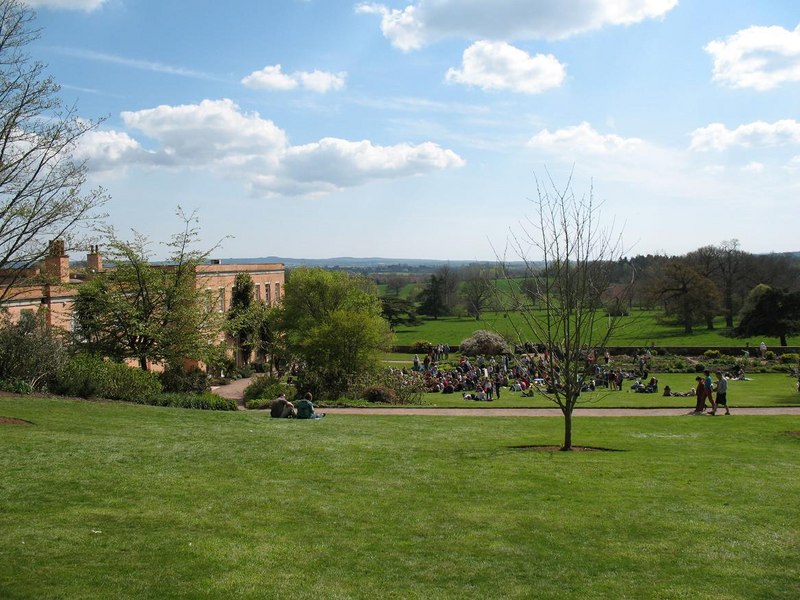

If you would rather someone else provided the trees, the National Trust's Killerton estate near Broadclyst — whose orchards supply its own apple juice and cider — opens them up as the harvest comes in. This year there is an apple picking day on 11 October, when visitors help bring in the crop for the estate's juice and cider production, and ranger-led orchard walks from 13 to 15 October, wandering a landscape shaped by generations of care. Booking details are on Killerton's events pages.
The month to drink it
Cider people will tell you, correctly, that what is being pressed this month will not be ready until next year; what you drink this autumn is last September in a glass. That seems to us a good enough reason to drink it thoughtfully — at a farm gate in the Dart valley, in a taproom cut into a Crediton hillside, or at a kitchen table with juice you pressed yourself. The orchards are heavy, the mills are waking, and somewhere in Whimple a museum keeps the memory of the village that once bottled Devon for the world. Go and taste what the county still does best.