Carried by Fire: A Local's Guide to Devon's Bonfire Night Traditions
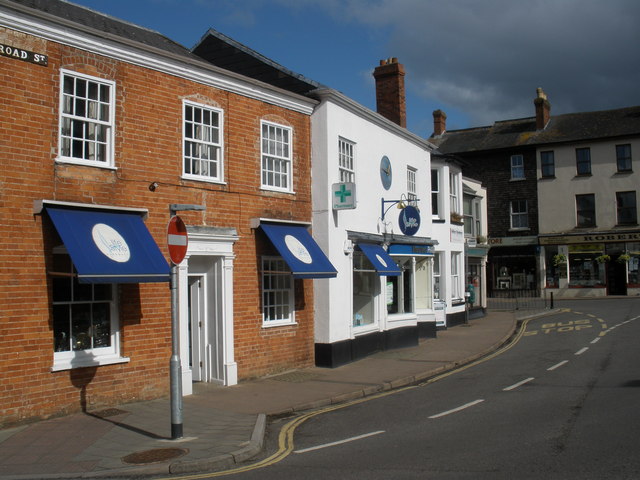

Most of the country does the fifth of November the same way: a field, a bonfire, a rocket or two, home by nine. Devon has never quite settled for that. In a handful of our towns and villages, bonfire night is something older, stranger and considerably closer to the flames — a night when fire is carried, dragged and wrestled through the streets rather than admired from behind a rope. None of it is a show put on for visitors. These are community traditions, run by volunteers and paid for out of collection buckets and programme sales, and they carry on whether anyone from outside turns up or not. But if you have never seen them, this is the fortnight to plan for. Here is where the fire burns, and how to stand near it like a local.
Ottery St Mary: the town that carries fire on its shoulders
Start with the big one. On Thursday 5 November, the East Devon town of Ottery St Mary will do what it reckons no other town in the country does: carry full-sized burning tar barrels through its streets, on people's shoulders, at a run. Not rolled — that is the crucial point of pride. Rolling, the story goes, is how it was once done everywhere; at some point lost to history, Ottery picked its barrels up.
Nobody can say exactly when or why it started. The likeliest explanation is that it grew out of the national bonfire celebrations that followed the Gunpowder Plot of 1605; older theories mention fumigating cottages and warning beacons for the Spanish Armada. What is certain is the shape of the night now. Seventeen barrels, their insides daubed with tar over the preceding months so they burn hard and bright, are each sponsored by one of the town's pubs — a roll-call that once ran to seventeen alehouses, of which The Kings Arms, The Volunteer, The Lamb & Flag and The London survive. If that sort of continuity appeals, our guide to Devon's church house pubs is full of it.
The evening builds in stages. Smaller barrels for the younger generations go first, from dusk; families have been known to field three generations in one night. The full-sized barrels follow, each lit outside its sponsoring pub, rolled briefly until properly ablaze, then hoisted onto the shoulders of a carrier who runs with it through the crowd until the heat wins and it passes to a teammate. Carrying is not open to all comers: by tradition you must be Ottery born or run a business in the town, and the regulars protect their hands with hemp sacking and their hair with a hood. It all ends in the square, around midnight, with the largest barrel of them all.
Go, but go with your eyes open. The town expects crowds in the region of fifteen thousand, the roads close from late afternoon, and the barrels pass close enough that the crowd genuinely moves. It is not an evening for pushchairs, dogs or anyone who dislikes being in a crush. Travel in by bus or coach if you can, wear nothing you would mourn, and keep checking over your shoulder. The weekend before, the town also holds its carnival, with a torchlit procession and a bonfire — a gentler way in, if you want the atmosphere without the adrenaline.

Shebbear: one ton of Devil, turned annually
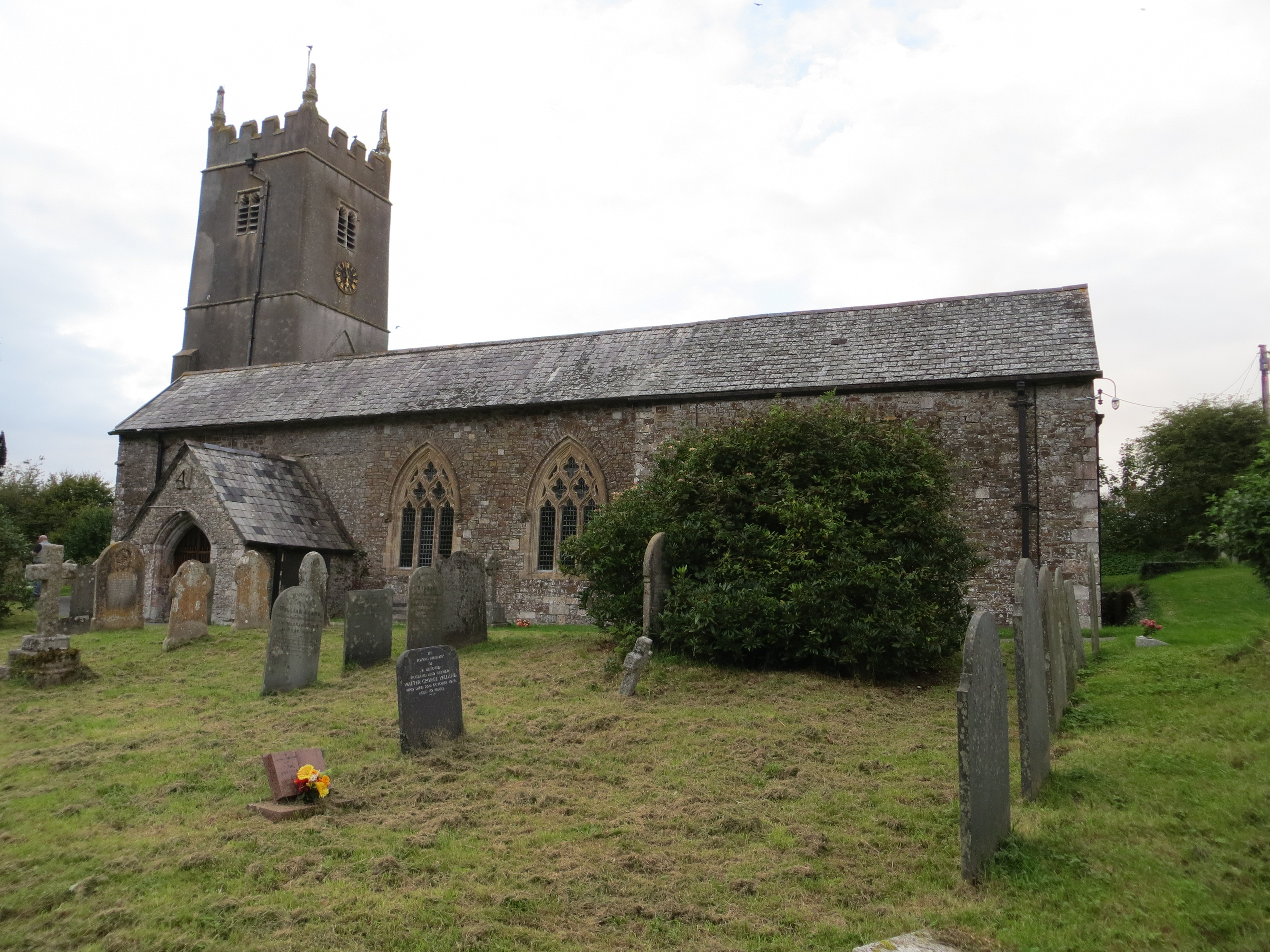
At the other end of the scale — and the county — is the quietest bonfire night ritual in England. Shebbear is a small village in the rolling country between Holsworthy and Great Torrington, and on the green at its centre, outside the church of St Michael, lies a large and geologically baffling lump of stone. It weighs about a ton. It does not match anything in the ground for miles around. And every year on 5 November, while the rest of the country is lighting fireworks, the village turns it over.
The ceremony is short and entirely serious. At eight o'clock in the evening the bellringers ring a deliberately discordant peal — a jangled, unsettling sound quite unlike Sunday ringing — to drive the Devil off. Then the ringers and helpers set to the stone with crowbars and heave it over. The explanation depends on who in the village you ask. In the best-known telling, the Devil was pinned beneath the stone when he was cast out of Heaven, and a year is exactly long enough for him to dig himself almost free; turn the stone and he must start again. Another version says the stone was quarried as a foundation stone for a church across the River Torridge at Henscott, and kept supernaturally returning to Shebbear until Shebbear gave up and kept it. Geologists, less romantically, note it is a conglomerate with no local source and shrug towards the glaciers — though this corner of Devon was never glaciated, which rather deepens the mystery than settles it.
What everyone agrees on is that the turning must not be skipped. The village has let the fifth pass only in wartime, and the stories say that after a run of grim news the stone was hastily turned late, just in case. These days Shebbear no longer has a full team of its own bellringers, so ringers come in from surrounding parishes, joined by former locals who return for the night. The pub across the way is called the Devil's Stone Inn, naturally, and the whole thing is done and dusted in time for a pint. If Ottery is Devon's bonfire night at full volume, Shebbear is the county whispering the same old warning: some things you keep doing, because nobody wants to find out what happens if you stop.

Hatherleigh: flaming sledges before dawn
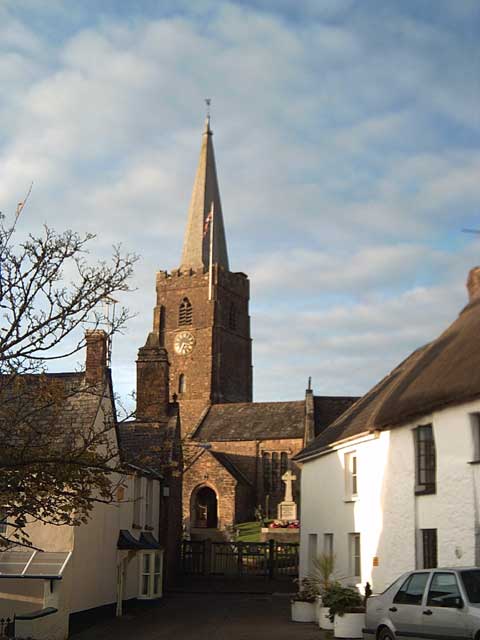
Between those two, in the ancient market town of Hatherleigh — by some reckonings the smallest town in Devon — bonfire season arrives twice in one day, and the first sitting is not for the faint-hearted or the fond of sleep. Hatherleigh's carnival dates back to 1903, when it began raising money for the local hospital association, and it has kept its most startling tradition intact: tar barrels, lashed to sledges, set alight and hauled through the town at the fastest pace the pulling team can manage.
This year's carnival falls on Saturday 14 November, and the first barrel run happens at around five o'clock in the morning, in the dark, down Market Street and Bridge Street — a river of sparks through a sleeping town, watched by a hardy crowd clutching coffee. The town then spends the day on the gentler business of carnival: the judging of dressed shop windows, a town crier contest, an afternoon procession and the crowning of the carnival royalty. After dark it all gathers pace again, with a torchlit procession of floats and bands through the streets, and then, once the route is clear, the remaining barrels are lit and run through town once more at full tilt. The organisers say the barrels are older than the carnival itself, though nobody has ever found a document to prove how much older — which, in Devon, is how you know a tradition is properly old.
Hatherleigh is a town of about thirteen hundred people with no railway and modest parking, so arrive early, bring layers and expect to stand. The reward is the least sanitised bonfire night spectacle you will ever see: close, loud, fast and smelling gloriously of woodsmoke and tar.
Standing near fire, politely
A few notes that apply everywhere. These events are run by volunteers and exist to raise money for local causes, so put something in the bucket and buy the programme. Listen to the marshals; they know where the barrels go next and you do not. Wear old clothes, boots rather than trainers, and nothing synthetic that melts. Leave the dog at home, keep children where you can grab them, and carry some cash, because rural card machines have a sense of humour. And check the organisers' own announcements before travelling — timings shift, and November weather has opinions.
Then stand back and watch something that has survived insurance premiums, two world wars and every committee that ever tried to tame it. The nights are long in Devon now, and getting longer; this is what we have always done about it. And when bonfire season is over, the fire does not go out — it moves to the orchards, where the January wassails pick up the torch. Our guide to Devon cider country will point you to those.