Dartmoor Zoo Park: your complete visitor guide 2026

Dartmoor Zoo Park sits within 33 acres of Devon woodland just north of Sparkwell, on the south-western edge of Dartmoor, and it is unlike any other zoo in the South West. The Dartmoor Zoological Society operates as a registered charity, with conservation, education, and research at the heart of everything it does. Most visitors know it through the We Bought a Zoo film connection, but the real story is richer and stranger than Hollywood managed. The zoo hosts over 73 species, including critically endangered animals such as Amur Leopards and Carpathian Lynx, all within a natural woodland setting that feels nothing like a conventional zoo.
Key facts at a glance:
- Location: Sparkwell, Plymouth, Devon, PL7 5DG, on the south-west edge of Dartmoor
- Size: 33 acres (13 hectares) of managed woodland
- Species: Over 73, including big cats, otters, birds, and reptiles
- Status: Registered charity (Dartmoor Zoological Society) since 2014
- BIAZA member since 2011, enabling participation in international breeding programmes
- Terrain: Natural slopes and woodland trails; sturdy footwear strongly recommended
- Dining: The Jaguar Restaurant onsite, plus designated picnic areas
- Parking: Free on site
- Annual visitors: A significant annual visitor count
How Dartmoor Zoo Park became what it is today
The zoo opened in 1968 as Dartmoor Wildlife Park, founded by Ellis Daw on the Goodamoor Estate. His family had owned the estate since 1948, and Goodamoor House itself dates to the 17th century, built by Paul Ourry Treby of the Treby family in the parish of Plympton St Mary. For decades the park ran as a private attraction, but by the early 2000s it was in serious trouble.
A 2001 report by the Captive Animals Protection Society raised welfare concerns about animal conditions and safety barriers. The council investigated, charged Ellis Daw with 16 offences, and although most were dropped, he was found guilty of breeding Siberian tigers outside an organised programme and keeping them in poor conditions. He received a £200 fine and a conditional discharge. The zoo closed to the public on 23 April 2006.
The key dates that shaped the zoo:
- 1948 — The Daw family purchases the Goodamoor Estate
- 1968 — Ellis Daw opens Dartmoor Wildlife Park on the estate
- 2001 — Captive Animals Protection Society report triggers welfare investigation
- 2006 — Licence revoked; zoo closes in April; Benjamin Mee and family purchase the site for £1.1 million in August
- 2007 — Zoo reopens on 7 July as the rebranded Dartmoor Zoological Park after £500,000 refurbishment
- 2008 — Benjamin Mee publishes We Bought a Zoo, his account of the family’s experience
- 2011 — Film adaptation released in the US on 23 December; zoo awarded Eden’s Top Wildlife Attraction of the year; zoo joins BIAZA
- 2012 — Film released in the UK on 16 March; visitor numbers and public awareness surge
- 2014 — Zoo becomes a registered charity after raising £340,000 through crowdfunding
- Present — Benjamin Mee serves as a trustee after donating the zoo to the charitable organisation
The We Bought a Zoo film, directed by Cameron Crowe and starring Matt Damon and Scarlett Johansson, was loosely based on Benjamin Mee’s book. The zoo in the film is called Rosemoor Wildlife Park and is set in California. The story also changes the timeline of his wife’s death: in reality, she died several months after the purchase, not before it as the film depicts. Benjamin Mee has acknowledged the film as a crucial intervention that helped the zoo avoid financial collapse around 2010, even with its creative liberties.
Pro Tip: Goodamoor House, the 17th-century manor at the heart of the estate, is visible from several points around the zoo. It gives the whole site an unusual sense of history that most wildlife parks simply do not have.
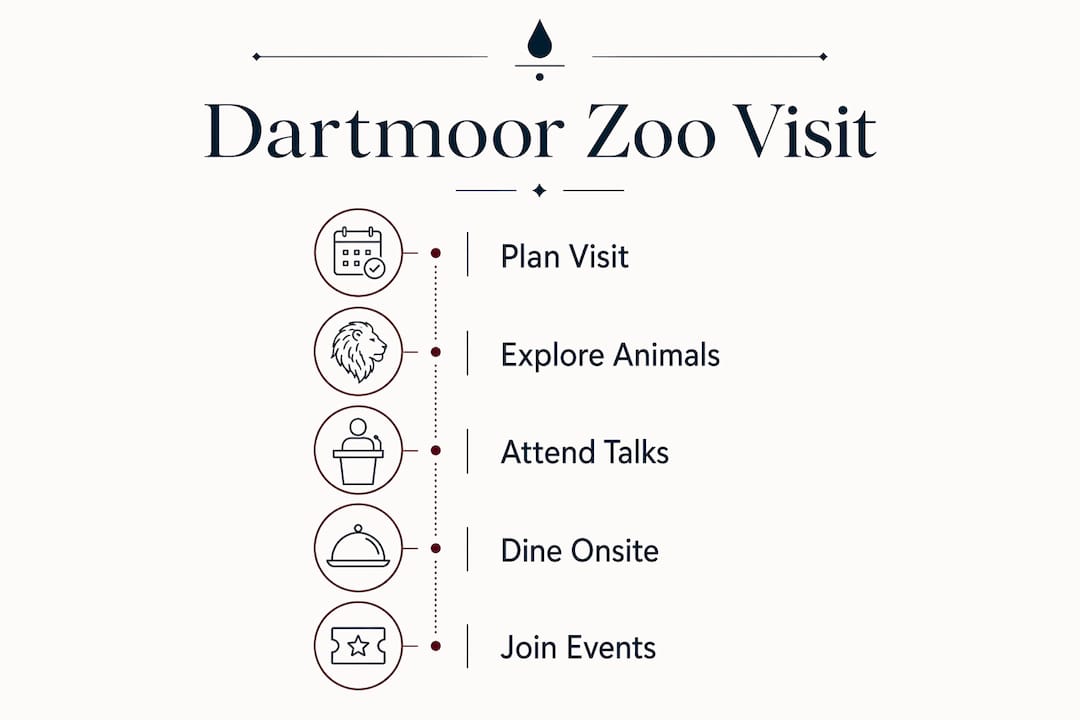
What you will actually see: animals and attractions
The animal collection is the main draw, and it genuinely delivers. The zoo holds over 73 species, including some of the world’s most threatened animals. The Amur Leopard, one of the rarest big cats on earth, is part of an active breeding programme here, alongside Carpathian Lynx and Asian Short-clawed Otters. Seeing these animals in a woodland setting rather than a concrete enclosure changes the experience considerably.
What to look out for:
- Big cats: Amur Leopards and Carpathian Lynx, both part of conservation breeding programmes
- Asian Short-clawed Otters: playful and popular with younger visitors
- Birds of prey and exotic birds: spread across the woodland trails
- Reptiles: housed in dedicated indoor exhibits
- Meerkats, wolves, and primates: among the broader collection
- Daily feeding talks: led by knowledgeable keepers who explain conservation context
- Nature trails: winding through mature woodland between enclosures
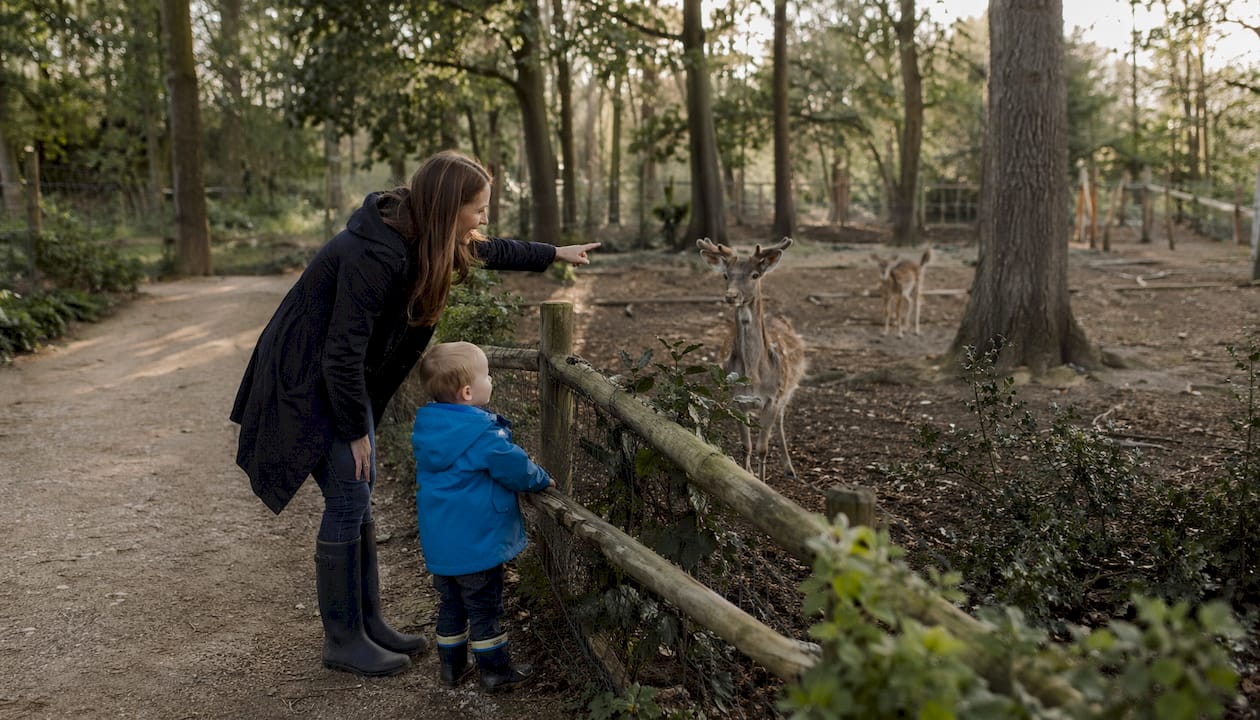
The woodland setting is what separates the Dartmoor Zoological Park from larger, more manicured attractions. Paths wind between trees, enclosures blend into the natural environment, and you are as likely to hear birdsong as you are to see a keeper talk. The terrain is uneven in places, which adds to the atmosphere but does require some preparation.
Pro Tip: Check the daily schedule at the entrance and plan your route around the keeper talks. The staff here are genuinely passionate, and a five-minute talk at the otter enclosure will tell you more about Asian Short-clawed Otter conservation than any information board.
Tickets, prices, and what to expect on arrival
Dartmoor Zoo operates a pay-once visit policy, meaning your ticket covers the full day with no additional charges for specific exhibits or talks. Ticket prices are not listed publicly in advance and are best confirmed directly on the official zoo website before your visit, as they are updated seasonally. Booking online in advance is advisable, particularly during school holidays and summer weekends.
| Visitor type | Ticket policy | Notes |
|---|---|---|
| Adults | Pay-once entry | Covers all exhibits and talks |
| Children | Pay-once entry | Age bands apply; check official site |
| Concessions | Reduced rate available | Seniors and students; verify current price |
| Under 3s | Free entry | No ticket required |
| Annual pass | Available | Unlimited visits; good value for locals |
Practical visitor information:
- Opening hours: The zoo opens daily; hours vary seasonally, so check the official website before travelling
- Parking: Free on site, with space for cars and coaches
- Getting there: The zoo is signposted from the A38 near Plymouth; follow signs for Sparkwell
- Terrain: Natural slopes and uneven paths throughout; sturdy footwear is recommended and pushchairs may struggle on some trails
- Accessibility: Some areas present challenges for wheelchair users and pushchair users due to the natural terrain; contact the zoo directly for current accessibility details
- Dining: The Jaguar Restaurant serves hot food and refreshments onsite
- Picnics: Visitors are welcome to bring picnics and use the designated woodland areas
- Dogs: Not permitted inside the zoo
The Jaguar Restaurant is the main onsite dining option, and it gets busy during peak hours. Arriving early or timing lunch outside the midday rush makes a real difference. If you are visiting with children and want to keep costs down, bringing a packed lunch is a perfectly good option and the woodland picnic spots are genuinely pleasant.

Special events and activities throughout the year
The zoo runs a programme of events across the year, with a particular focus on conservation education and family engagement. These range from seasonal holiday activities to specialist keeper experience days. Checking the events calendar on the official website before booking is the best way to plan around something specific.
Annual and seasonal highlights include:
- Conservation days: Themed events raising awareness of specific endangered species and the zoo’s breeding programmes
- Half-term and school holiday activities: Craft sessions, keeper talks, and themed trails for children
- Halloween and Christmas events: Seasonal programmes that transform the woodland setting
- Keeper for a day experiences: Paid experiences allowing visitors to work alongside staff and get close to specific animals
- Educational workshops: Structured sessions for school groups and families covering wildlife biology and conservation
- Daily feeding times: Not ticketed separately; included in general admission and scheduled throughout the day
- Animal encounter sessions: Opportunities for closer interaction with selected species, subject to availability
The zoo’s conservation and education focus means that even a standard visit has more structured learning built in than you might expect. The keeper talks in particular are worth planning your day around, and they run regardless of whether a special event is scheduled.
If you are planning a visit with a school group or a large family party, contacting the zoo directly to ask about group rates and scheduled educational sessions is worth doing well in advance of your trip.
Insider tips for getting the most from your visit
Plan for a 3–5 hour visit. That is the realistic time needed to cover the woodland trails properly, catch a couple of keeper talks, and have a relaxed lunch without feeling rushed. Trying to do it in two hours means missing the parts that make the Dartmoor Zoological Park genuinely different from a standard day out.
Footwear matters more here than at most attractions. The natural terrain includes slopes and uneven paths that can be slippery in wet weather, and Devon weather is unpredictable even in summer. Trainers are the minimum; walking boots are better. Bring a waterproof layer regardless of the forecast.
A few tips that make a real difference:
- Arrive early: The zoo is quieter in the first hour after opening, and animals tend to be more active in the morning
- Check the talk schedule at the entrance: Build your route around two or three talks rather than wandering at random
- Bring a picnic: The woodland picnic areas are genuinely lovely, and it saves both time and money compared to queuing at the restaurant
- Visit mid-week if possible: Weekends and school holidays bring noticeably larger crowds
- Wear layers: The woodland canopy provides shade but also traps cold air on overcast days
The zoo sits on the edge of Dartmoor, which means you are well placed to combine a visit with a walk on the moor itself. The Dartmoor trails nearby range from gentle family-friendly routes to longer moorland hikes, and pairing the two makes for a genuinely full Devon day out. For families wanting more activities in the area, Woodlands Adventure Park is another strong option within easy driving distance.
The woodland environment is what visitors consistently find most surprising. You are not walking along tarmac paths between metal fences. You are moving through a real Devon woodland, and the animals are part of that setting rather than displayed against it. That distinction is what makes the Dartmoor Zoological Park worth the trip.
Key takeaways
Dartmoor Zoo Park is a 33-acre charitable zoo in Devon woodland, offering conservation-focused animal encounters, over 70 species, and a visitor experience shaped by the real story behind We Bought a Zoo.
| Point | Details |
|---|---|
| Location and size | 33 acres of woodland near Sparkwell, on the south-west edge of Dartmoor |
| Animal collection | Over 70 species including Amur Leopards, Carpathian Lynx, and Asian Short-clawed Otters |
| Charitable status | Became Dartmoor Zoological Society in 2014 after raising £340,000 through crowdfunding |
| Visit duration | Plan 3–5 hours to cover trails, keeper talks, and dining without feeling rushed |
| Practical essentials | Sturdy footwear required; picnics welcome; parking free; terrain challenging for pushchairs |