Put a ring around Wednesday 12 August. Devon doesn't often get handed a front-row seat for anything astronomical — we're usually squinting through drizzle while somewhere in the Atacama gets the good stuff — but this month the sky owes us one, and it's paying up twice in a single evening. At teatime, the deepest solar eclipse visible from Britain this century. After dark, the Perseid meteor shower at its peak, on a night with no moon at all. You could stand in one field in Devon and watch both.

An eclipse at teatime
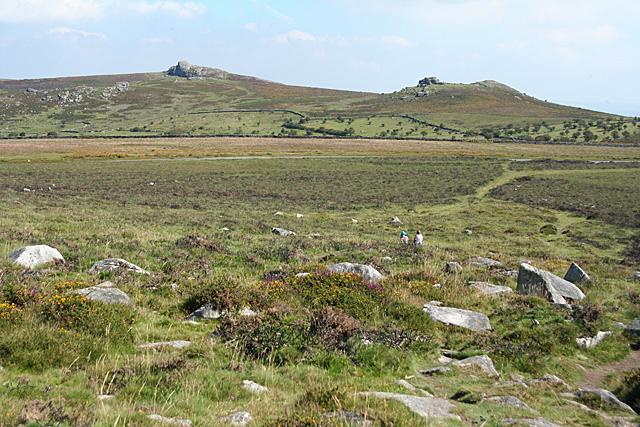
Let's take them in order. From about 6.17pm on the 12th, the moon starts taking a bite out of the sun's western edge. Over the following hour the bite becomes a crescent, and by around 7.12pm — maximum eclipse — more than 90 per cent of the sun will be covered as seen from Devon. The light does something strange in a deep partial eclipse: it doesn't get dark exactly, but it goes thin and silvery, shadows sharpen, the temperature dips, and birds start having second thoughts about the day. The show runs until just after 8pm, though the sun may beat it to the horizon depending on where you're standing.
That last point matters more than anything else. This eclipse happens with the sun low in the western sky and sinking, which means the single most important decision is picking somewhere with a clean, high view to the west. Devon is unusually well supplied. The west-facing cliffs of the Hartland Peninsula stare straight down the barrel of the setting sun with nothing but Atlantic in the way. The high western slopes of Dartmoor work too, as does anywhere along the north coast with open sea to the west. A valley, a wood, or a tall hedge on your western side — very Devon, that — and you'll miss the best of it.
The Royal Observatory Greenwich calls this the best solar eclipse visible from the UK and Ireland so far this century, and the next one this good is a long wait away. It deserves an early finish to the working day.
One thing we have to say plainly: never look directly at the sun, eclipse or no eclipse, and sunglasses are not protection. Proper eclipse glasses certified to ISO 12312-2 are cheap and widely available — order them now, not on the 11th. Failing that, the old tricks are the good ones: a pinhole in a piece of card projecting onto another, or the dappled light under a tree, which turns every gap between leaves into a tiny image of the crescent sun. A colander held up to the light does the same and makes you look agreeably unhinged.
Then stay out for the meteors
Here's the luck of the timing. The Perseids — the most reliable meteor shower of the year — peak on the very same night, the 12th into the morning of the 13th. And because the eclipse can only happen at new moon, the sky that night will be properly, inkily dark, with no moonlight to wash out the fainter meteors. Astronomers have been circling this date for years: a moonless Perseid peak is as good as the shower ever gets, with rates that can reach 150 meteors an hour under perfect dark-sky conditions. Real-world Devon numbers will be lower, but this is the best possible version of the night.
The Perseids are debris from comet Swift–Tuttle, sand-grain-sized bits of it hitting the atmosphere at colossal speed, and they're famous for fireballs — the occasional meteor bright enough to make a car park full of strangers gasp in unison. They're active from mid-July to late August, so any clear night this fortnight is worth a look, but the night of the 12th is the one to plan around. Meteors can appear from sunset, and the rates climb through the small hours; midnight to dawn is prime time, and the truly committed will still be flat on their backs at 4am.
You need no equipment whatsoever. In fact binoculars and telescopes make it worse — you want the whole sky, not a porthole of it. Bring something to lie on, dress as if it were October, give your eyes a genuine fifteen minutes away from your phone screen to adjust, and look roughly north-east towards the constellation Perseus if you want the point the meteors radiate from, though they'll streak across every part of the sky.
Where the sky still gets properly dark
What makes Devon a serious place to watch all this is that we hold some of the darkest sky in southern England, and some of it is formally recognised.
Exmoor was designated Europe's first International Dark Sky Reserve back in 2011, and the Devon end of the moor has two of its best viewpoints. Holdstone Down, on the coast road out of Combe Martin, is a designated Dark Sky Discovery Site — a bald, heathery dome between the moor and the sea where on a clear night the Milky Way shows up without any effort on your part, and the eclipse-watching westward view over the Bristol Channel is superb. Further east, the car park at County Gate sits right on the Devon–Somerset border above the Doone valley, with some of the lowest light pollution in the region. The national park leans into all this properly: you can hire a telescope from its National Park Centres, and its Dark Skies Festival returns from 16 October to 1 November this year if the Perseids get their hooks into you.
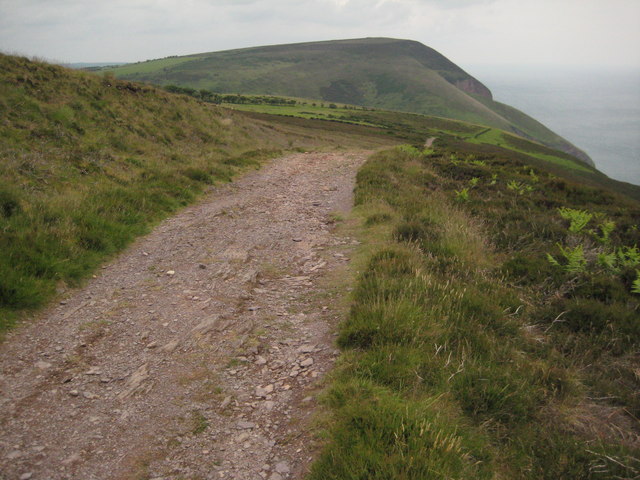

Dartmoor is the southern option, and its high car parks are made for this. Haytor's car park is a favourite for good reason — height, huge horizons, and granite to lean against — while Bellever Forest near Postbridge and Bonehill Rocks above Widecombe-in-the-Moor are quieter picks with the same enormous sky. On a moonless August night up there, the problem isn't finding stars; it's finding the constellations you know among the thousands of stars you normally never see.
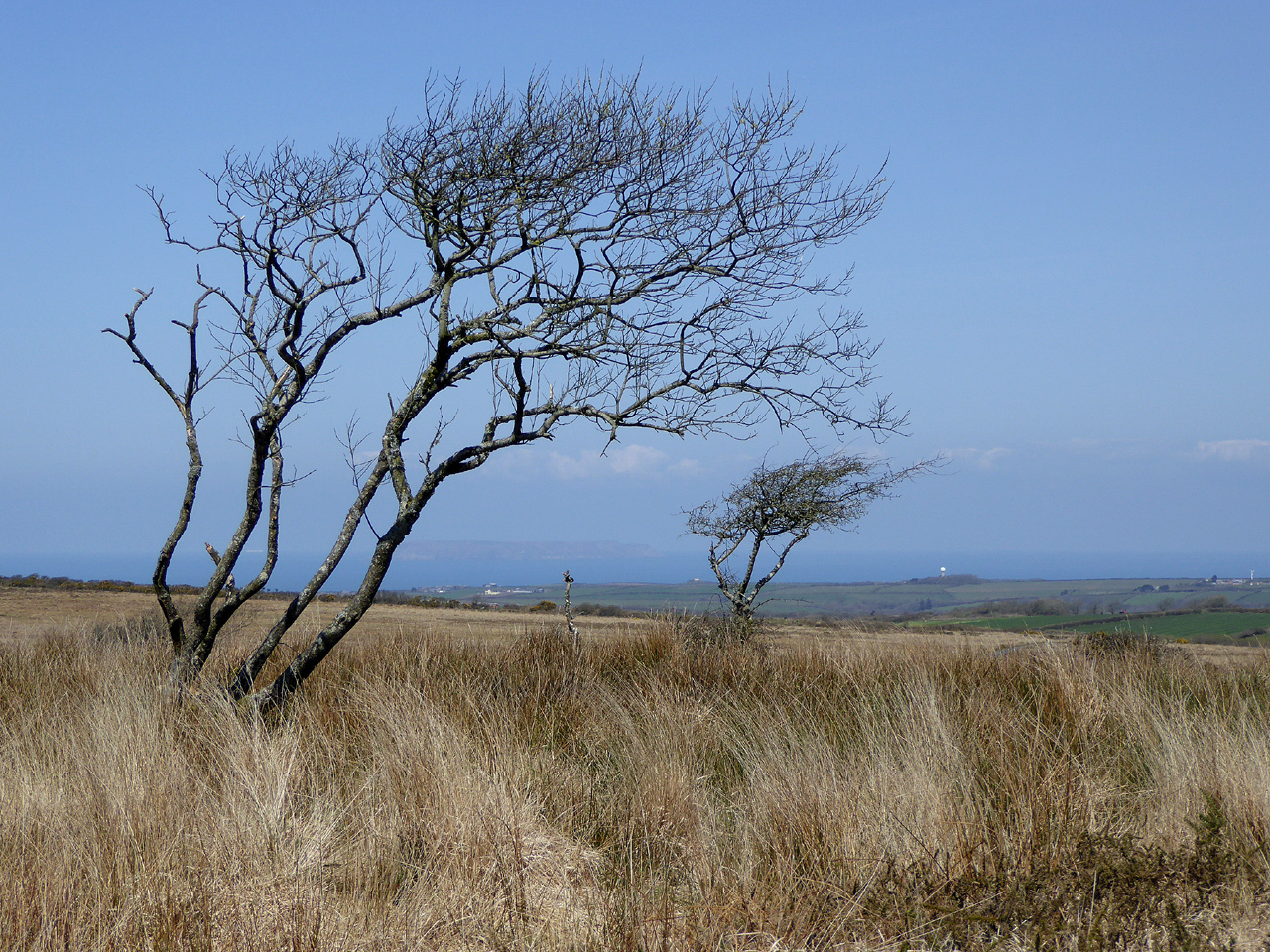
And then there's the Hartland Peninsula, the north-westernmost shoulder of Devon, which may be the shrewdest choice of all on the 12th because it solves both halves of the evening at once. Bursdon Moor, a few miles south-east of Hartland on the A39, is another designated Dark Sky Discovery Site — open moorland scattered with Bronze Age burial mounds, which is about the right sort of company for watching the sun go out. Catch the eclipse over the Atlantic from the coast nearby, then retreat a mile inland to the moor, put the kettle on the camping stove, and wait for the meteors. People four thousand years ago stood on that same ground watching the same shower; the Perseids are older than every barrow on it.

Making a night of it
A few practical notes from experience. August nights on the moors are colder than seems reasonable — take a proper coat, a hat, and more layers than pride suggests. Arrive at your chosen spot before full dark so you're not lurching around unfamiliar ground with a torch, and if you must use one, a red light preserves your night vision where a white one wrecks it. Check the forecast on the day and be willing to drive; the difference between cloud on the coast and clear sky inland is often twenty minutes in the car. And park considerately — moorland gateways need to stay clear for farmers whatever the heavens are doing.
If you're down this way for the week, the timing is kind: the eclipse lands mid-week in the thick of regatta season, and there are worse ways to structure a day than sea swimming, eclipse, chips, meteors. Afterwards, or on the inevitable cloudy night, we'd point you at one of Devon's ancient church house pubs to warm up in — stargazing has always gone better with a fire and a pint waiting at the end of it.
And if the weather does its worst on the 12th? Don't write the month off. The Perseids keep flying until 24 August, and there's a handsome consolation in the diary: a deep partial lunar eclipse on the 28th, when the full moon slides through the Earth's shadow — no glasses required for that one. But we're backing the big night. One field, one flask, the sun switched off and switched on again, and then meteors until you can't keep your eyes open. Devon under a dark sky is a county transformed; this is the best excuse in years to go and see it.